Microsoft Just Opened Its MS-DOS Vault: Here's Why You Care
Microsoft just made the foundational MS-DOS code open source on GitHub. Discover its history, why it matters for your tech world, and what this means for preserving digital heritage.
Editorial Note
Reviewed and analysis by ScoRpii Tech Editorial Team.
In this article
Your modern Windows PC or sleek Mac owes a surprising debt to a system developed in a garage and now, decades later, reborn for all to see. Microsoft has just thrown open the digital doors to its past, publishing the earliest-discovered versions of the MS-DOS operating system on an open-source GitHub repository. This isn't merely an archival release; it's an invitation to explore the bedrock of personal computing.
Key Details
Dive into the foundational code that powered the earliest personal computers and cemented Microsoft's place in tech history. Among the treasures now available are 86-DOS 1.00, MS-DOS 1.25, and crucial components of MS-DOS 2.x and MS-DOS 4.0. These aren't just abstract numbers; these are the versions that ran on those pioneering IBM, Compaq, and Zenith machines, setting the stage for everything from Windows 95 to the legendary game DOOM. Imagine, the very DNA of your digital world, now freely accessible.
Deploy your next full-stack application effortlessly. Get $200 in free DigitalOcean credits to host your Laravel or Python APIs.
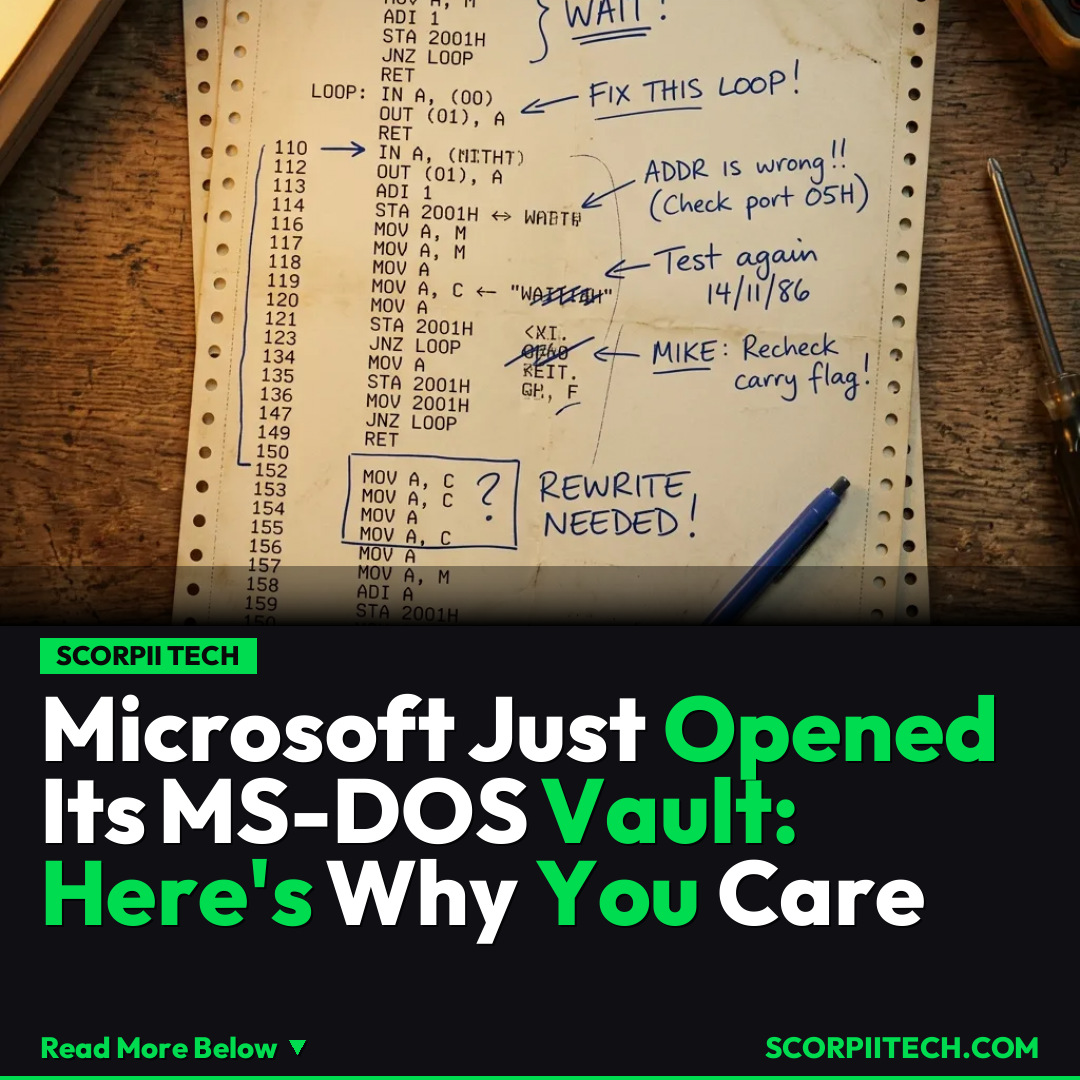
This move provides an unprecedented look back at the origins of software development. As Microsoft's Scott Hanselman aptly noted, examining original materials like "These printouts had handwritten notes scrawled over them, giving a snapshot of how development worked in the '80s, long before Microsoft features started to become invasive." This quote highlights the raw, hands-on nature of creating software like 86-DOS 1.00 by Tim Paterson in his garage – a stark contrast to today's highly integrated, complex development cycles. It’s a tangible connection to an era when software was carved out with sweat and literal pen-on-paper annotations, offering a unique perspective on the evolution of user interfaces and system design.
The release extends beyond these early iterations, touching on later, more mature versions like MS-DOS 6.0 and MS-DOS 8.0, which continued to underpin Windows operating systems well into the late '90s, including Windows 95, Windows 98, and even Windows Me, before Windows XP finally moved on. By making these historical versions of MS-DOS open source, Microsoft is doing more than just sharing old code; it’s preserving a critical piece of digital heritage, giving developers, historians, and enthusiasts a chance to study, learn from, and even tinker with the code that shaped our world. It's a goldmine for understanding how operating systems evolved from humble beginnings into the powerful, multi-featured platforms we use today.
Why This Matters
You might think, "Why should I care about 40-year-old code?" The answer lies in innovation and understanding. For developers, this open-sourced code offers a unique educational opportunity. You can trace the lineage of modern operating system concepts, learning directly from the architects of early system calls, memory management, and file systems. It's a masterclass in minimalist, efficient programming, a stark reminder of what could be achieved with limited resources, before the bloat of "invasive" features became common. For students of computer science, it provides a tangible, working example of historical architecture.
Beyond the academic, this release fuels the retro-computing community. Imagine restoring a vintage IBM PC, Compaq Portable, or Zenith Z-100 and having access to the original, authentic operating system code. This isn't just about nostalgia; it's about preserving functionality and ensuring that these machines can continue to operate and be understood for generations to come. It democratizes access to a pivotal moment in computing, fostering a deeper appreciation for the journey from command-line interfaces to graphical user environments. This transparency also encourages new projects, perhaps even modern reimplementations or emulators that faithfully reproduce the original experience, driven by the community itself.
The Bottom Line
What Microsoft has done by open-sourcing MS-DOS isn't just a nod to its past; it's a powerful contribution to your future understanding of technology. Whether you're a seasoned developer, a tech historian, a retro-computing enthusiast, or simply curious about where it all began, take a moment to explore the GitHub repo. It's a direct line to the roots of personal computing, offering insights that can inform today's challenges and inspire tomorrow's innovations. Consider diving into this historical code—you might just find the spark for your next big idea, or at least a profound appreciation for how far we've come.
Originally reported by
BGRWhat did you think?



Stay Updated
Get the latest tech news delivered to your reader.