Your Eyes Can't Trust AI Anymore: ChatGPT's New Image Power
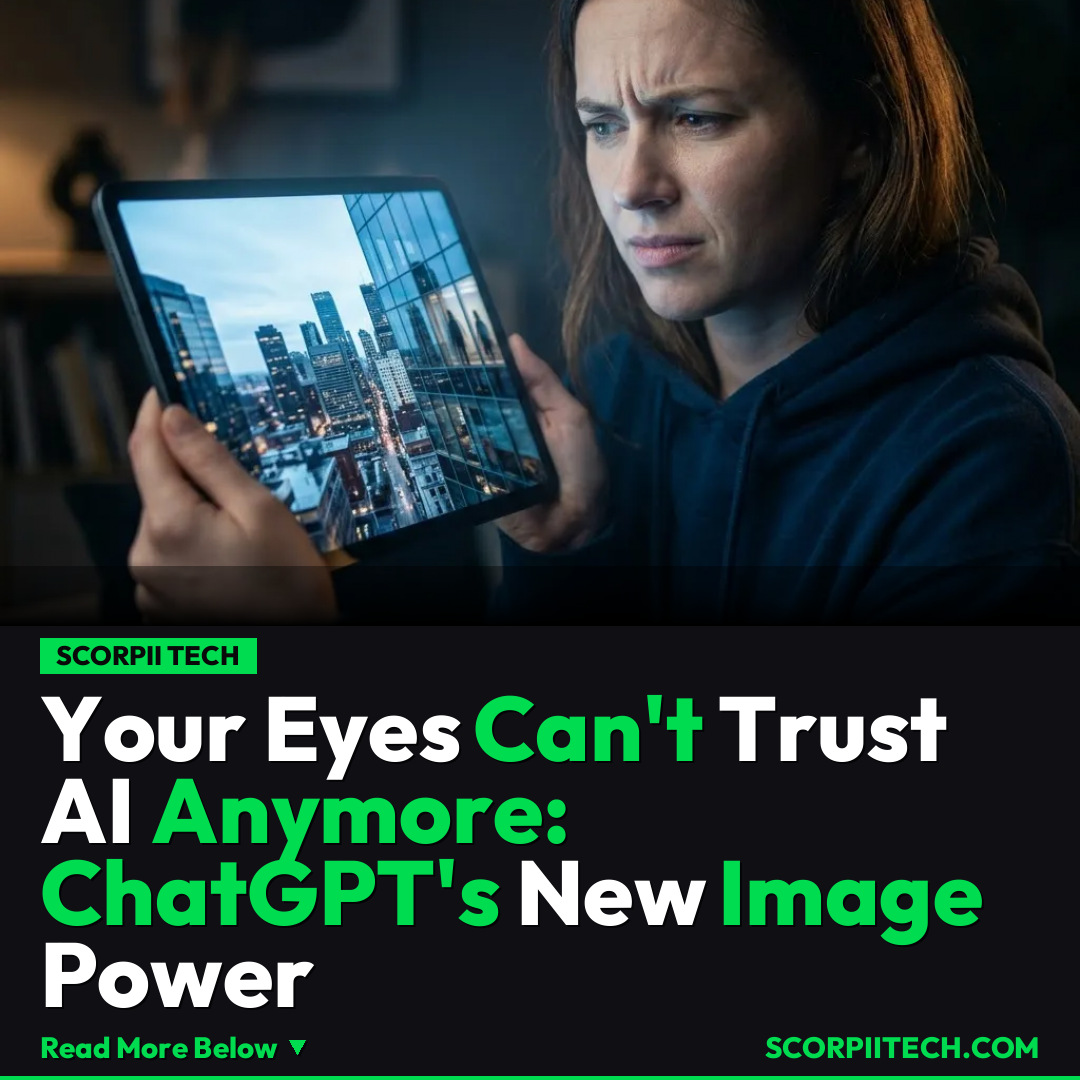
OpenAI's ChatGPT just made AI-generated images virtually undetectable. Learn how Images 2.0 changes everything for your digital world and the fight against misinformation.
Editorial Note
Reviewed and analysis by ScoRpii Tech Editorial Team.
In this article
You probably thought you had a pretty good eye for spotting AI-generated images, didn't you? Well, prepare for that confidence to shatter. OpenAI's latest update to ChatGPT, featuring the powerful Images 2.0, has drastically upped the ante. We're talking about creations so realistic, they blur the line between authentic and artificial, making detection harder than ever and ushering in new challenges for your digital literacy.
Key Details
Under the hood, OpenAI's Images 2.0 is a significant leap forward in generative AI. This cutting-edge tool allows ChatGPT's paid subscribers to generate up to eight distinct images from a single prompt. Imagine the efficiency: you give a simple instruction, and the system delivers a suite of highly refined visual options, all designed with an incredible level of detail and realism. The aim, according to the developers, is that "results feel less AI-generated and more intentionally designed." This isn't just about cranking out more images; it's about crafting images that seamlessly blend into reality.
Deploy your next full-stack application effortlessly. Get $200 in free DigitalOcean credits to host your Laravel or Python APIs.
For those of you who are paid subscribers to ChatGPT, this feature is already at your fingertips, ready to transform your creative workflow or simply provide endless entertainment. However, for the majority of users relying on the free version of ChatGPT, your experience with Images 2.0 will differ. While you won't be able to generate these hyper-realistic visuals directly, you still retain the ability to search the web for information and critically double-check any AI-generated content you encounter. This distinction is crucial, placing a greater burden on you to verify information in a rapidly evolving digital landscape.
Why This Matters
So, why should this technological advancement make you think twice? The core concern, as you've likely guessed, revolves around the increasing difficulty of detecting these sophisticated AI-generated images. This isn't just a party trick; it's a serious vector for misinformation. Imagine images of events that never happened, or scenarios completely fabricated, all indistinguishable from reality. Your ability to discern truth from fiction in the visual realm is being directly challenged, demanding a heightened sense of skepticism and critical analysis.
This development impacts everything from journalism and social media to legal evidence and personal trust. As these AI tools become more accessible and produce more convincing output, the potential for intentional deception grows exponentially. You'll need to develop new habits for verifying visual information, questioning sources, and understanding that what you see might not always be what's real. The "impressive" technical strides of Images 2.0 come with a "distressing" societal cost if we aren't prepared.
The Bottom Line
As OpenAI's Images 2.0 continues to evolve, your responsibility as a digital citizen grows. The takeaway here isn't to distrust everything you see, but rather to cultivate a healthy, informed skepticism. Always consider the source of an image, look for tell-tale signs (which are becoming increasingly subtle), and utilize those web search skills to cross-reference information, even if ChatGPT itself is offering to help. The future of visual content is here, and it demands your active participation in verifying what's real. Stay vigilant, stay informed, and remember that sometimes, seeing isn't believing anymore.
Originally reported by
LifehackerWhat did you think?


Stay Updated
Get the latest tech news delivered to your reader.