Here's What Your Display Setup Means For Hardware Choice
Discover what modern monitor form factor choices and port layouts mean for your desktop hardware setup today.
Editorial Note
Reviewed and analysis by M.Numan
In this article
You had a few options from well-known desktop monitor brands, and that was about it. Finding the right display setup used to mean choosing between standard, predictable displays from familiar names. But today, shifts in hardware design, form factor choices, and port selections are reshaping what you see on your desk. Understanding these choices gives you complete control over your ideal desktop setup.
Key Details
When analyzing the latest hardware choices, specific connectivity decisions stand out immediately. In particular, hardware configurations that feature three USB ports while offering no HDMI port demonstrate a clear pivot in hardware engineering and device design. Moving away from traditional HDMI towards alternative setups reflects evolving user needs and modern connection standards across various hardware lineups.
Deploy your next full-stack application effortlessly. Get $200 in free DigitalOcean credits to host your Docker containers, Laravel, or Python APIs.
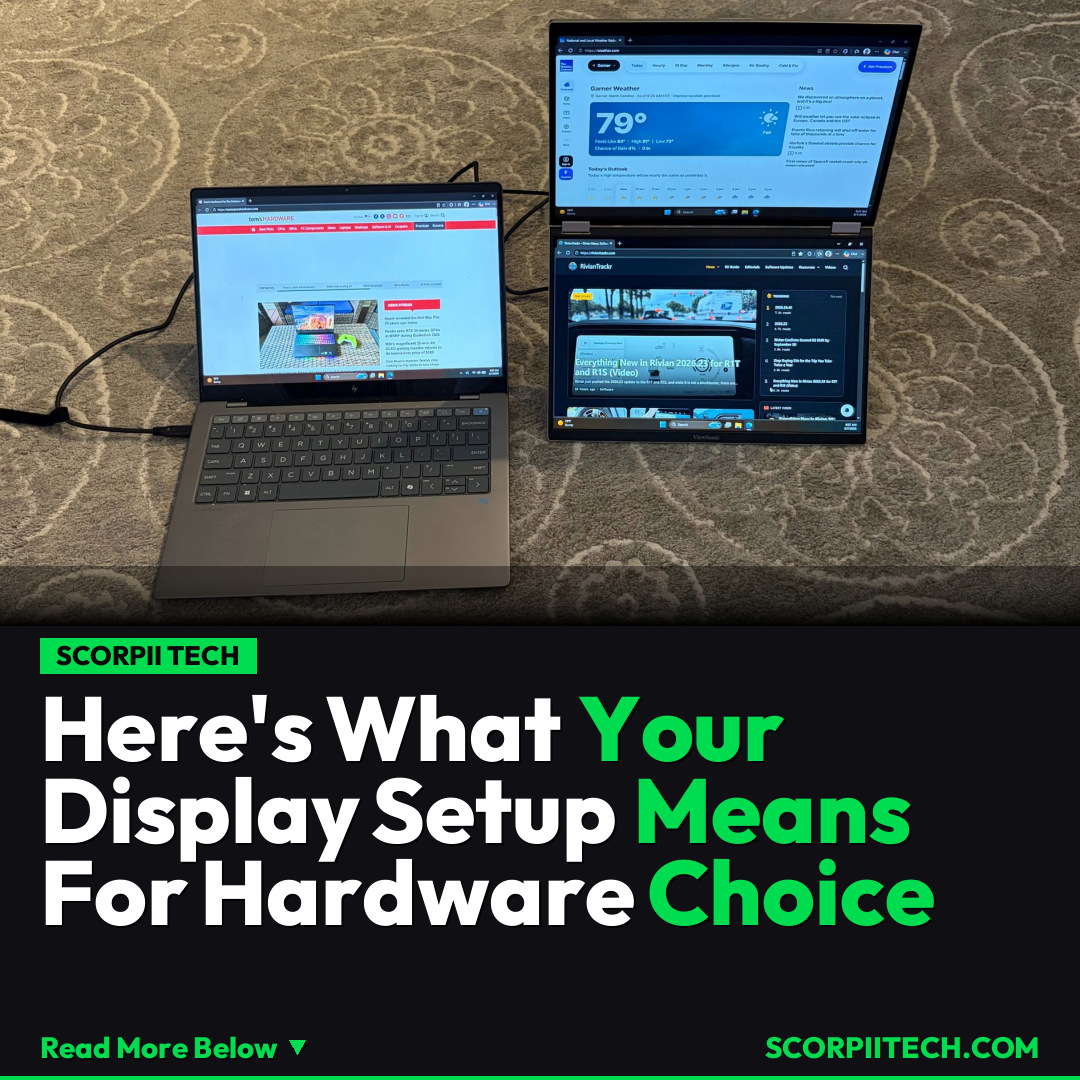
Brands like ViewSonic have long defined what users expect from traditional desktop monitor releases. Meanwhile, devices like the HP OmniBook illustrate how modern portable computing and desktop display ecosystems intersect. Evaluating a new form factor requires examining how these devices manage physical connectivity, ports, and overall footprint on your workspace.
Sizing Your Single-Box VPS Architecture?
Calculate exact vCPU cores, RAM GB, NVMe storage, and estimated monthly budget for your traffic before migrating away from high-cost cluster providers.
A thorough hardware verdict depends on weighing these exact connectivity trade-offs. Having three USB ports provides flexible peripheral connections, but the total absence of HDMI requires you to evaluate your cable setup carefully. When reviewing hardware like HP OmniBook systems alongside display solutions from ViewSonic, observing how form factor impacts real-world utility is critical.
Why This Matters
Connectivity choices directly impact your daily efficiency and desk layout. When hardware drops traditional standards like HDMI in favor of three USB ports, your workflow adapts immediately. You must consider adapter requirements, display routing, and device compatibility before deciding on a specific form factor for your computing environment.
Furthermore, competition among established brands drives continuous refinement across modern displays and laptops. Whether you are looking at ViewSonic hardware solutions or integrating an HP OmniBook into your workstation, understanding physical port choices helps you avoid setup bottlenecks and maintain a clean, functional workspace.
The Bottom Line
Before upgrading your desk, audit your current cables and peripheral requirements against modern connectivity standards. Verify whether three USB ports without HDMI fit your daily hardware workflow, and choose a form factor that elevates your overall desktop experience.
Originally reported by
Tom's HardwareWhat did you think?



Stay Updated
Get the latest tech news delivered to your reader.