Why Your Digital Defender Just Pivoted to Fighting Drones
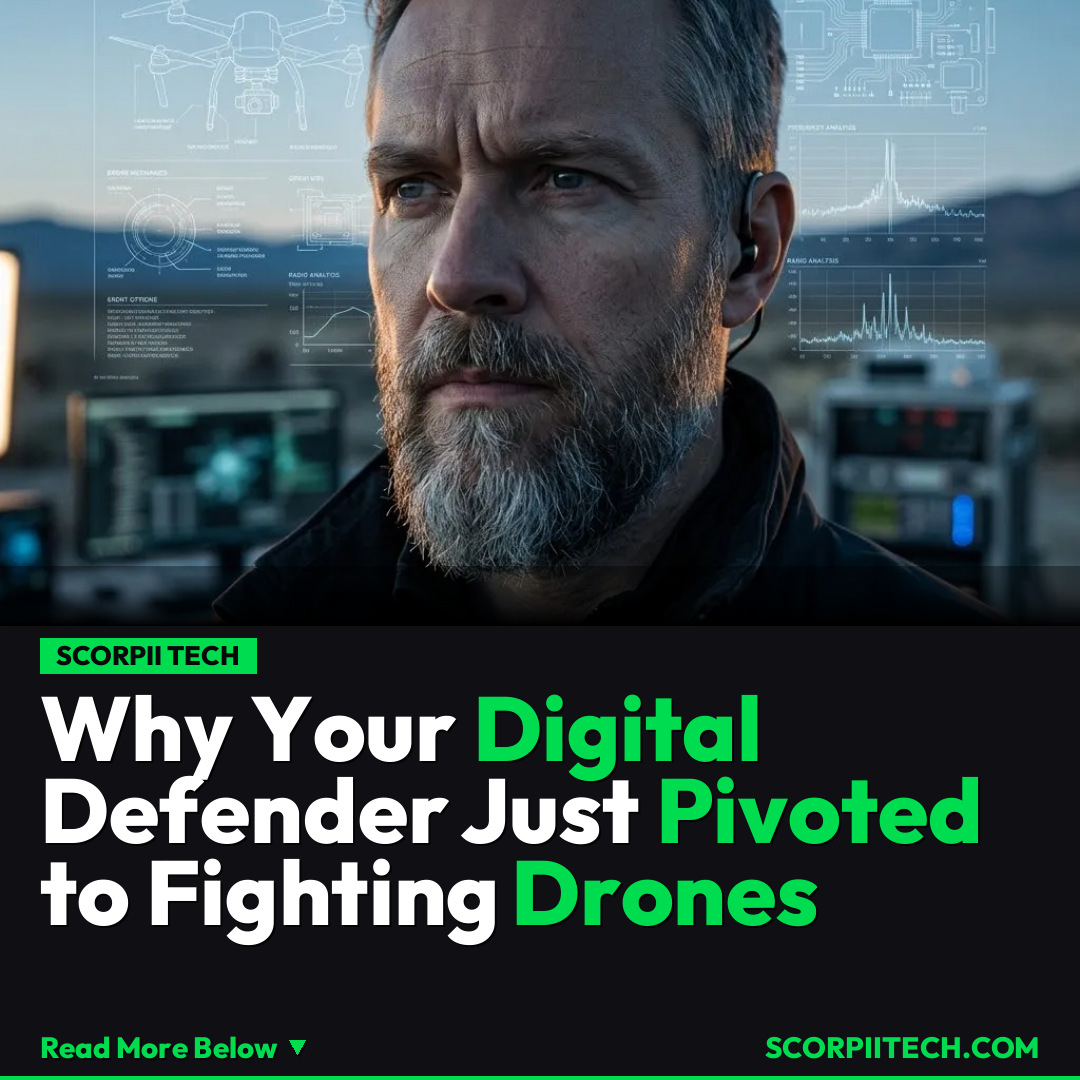
Mikko Hyppönen, a cybersecurity veteran, says goodbye to malware and embraces drone defense. Discover why this shift impacts your future security, especially with evolving global conflicts.
Editorial Note
Reviewed and analysis by ScoRpii Tech Editorial Team.
In this article
You’ve probably heard the name Mikko Hyppönen if you’ve been anywhere near the cybersecurity world. This Chief Research Officer, a legend in the field, has spent decades protecting your digital life from the nastiest viruses and malware. But what if we told you he believes the "age of viruses is firmly behind us," and he’s moved on to an entirely new, physical battlefield? Get ready for a surprising pivot that could redefine your understanding of security.
Key Details
For decades, Mikko Hyppönen was synonymous with the fight against digital threats. From his pioneering work at Data Fellows to his tenure as Chief Research Officer at F-Secure, he’s been on the front lines, dissecting malware, understanding its spread, and building defenses that kept your Apple iPhone, Chrome browser, and countless other systems safe from everything from North Korean state-sponsored attacks to everyday digital annoyances. His expertise has been a cornerstone of your digital protection, even working on solutions in places as remote as the South Pole or bustling as Las Vegas.
Need fast, secure, and affordable hosting for your next website or PHP application? We recommend Hostinger Managed Hosting. Get premium speeds, a free domain, and 24/7 expert support.
However, the world keeps spinning, and threats evolve. Hyppönen has observed the harrowing reality of modern conflict, particularly the 2022 full-scale invasion of Ukraine by an increasingly hostile Russia. Here, the majority of reported deaths haven’t come from traditional ground forces, but from devastating unmanned aerial attacks. This grim new reality, along with his conviction that traditional viruses are waning, has led him to a profound conclusion: he can have a renewed and critical impact by fighting drones.
This isn't just a philosophical shift; it’s a technical one. Where he once focused on signature-based malware detection, his new endeavor, through organizations like Sensofusion, involves much more complex, real-world threats. He's diving deep into protocol level attacks and analyzing IQ samples from radio frequencies to understand and neutralize these airborne dangers. Imagine moving from coding intricate digital locks to understanding the complex radio signals that pilot a physical drone over a battlefield in Finland or Ukraine – that’s the scale of this new challenge he’s embracing.
Why This Matters
Why should you care about a cybersecurity veteran’s career pivot? Because it reflects a fundamental shift in global threat landscapes that will inevitably impact your world. If a leading expert believes the primary digital threats are fading, it signals a maturation of cybersecurity defenses. But the rise of drones as a major weapon in conflicts like Russia's war in Ukraine indicates that the nature of "warfare" – and by extension, "security" – is expanding beyond your screen.
This means your future security isn't just about antivirus software; it’s about understanding a broader spectrum of vulnerabilities, from the digital to the physical. While you might not be fending off drones in your backyard, the underlying technologies and the principles of defense against autonomous systems will permeate various aspects of your life. Think about delivery drones, surveillance, or even future urban mobility. The expertise developed in fighting hostile drones today could very well be the foundation for ensuring the safety and privacy of tomorrow’s smart cities and connected environments, affecting everything from your commute to your personal data.
The Bottom Line
Mikko Hyppönen's bold move from battling bytes to busting drones isn't just an interesting career update; it’s a seismic indicator of where real-world threats are heading. The takeaway for you is clear: while your digital hygiene remains crucial, the scope of "security" is broadening. Stay informed about advancements not just in software, but in physical and autonomous technologies. Your vigilance will need to encompass more than just your screen, preparing you for a future where threats might just have propellers instead of malicious code. What new forms of security will you need to consider next?
Originally reported by
TechCrunchWhat did you think?



Stay Updated
Get the latest tech news delivered to your reader.