Your Vacation Could Be Riskier: Unplug These 6 Devices
Planning a getaway? Discover which 6 essential devices you need to unplug before you leave to prevent fire hazards and unnecessary energy waste. Protect your home and wallet.
Editorial Note
Reviewed and analysis by ScoRpii Tech Editorial Team.
In this article
As you dream of sandy beaches or mountain trails, your mind is probably focused on packing and itineraries. But before you lock the door and wave goodbye, there's a critical safety check you might be overlooking right in your own home. Leaving certain everyday devices plugged in while you're away isn't just a minor oversight; it's a silent threat to your peace of mind and potentially your property.
Key Details
You might think simply turning off a device is enough, but many electronics continue to draw power even when they're not actively in use – this is often called "phantom load" or "vampire drain." More critically, some devices pose a physical danger, risking overheating or even starting a fire if left plugged in and unattended for extended periods. Understanding these two key categories is essential for truly securing your home before you travel.
Need fast, secure, and affordable hosting for your next website or PHP application? We recommend Hostinger Managed Hosting. Get premium speeds, a free domain, and 24/7 expert support.
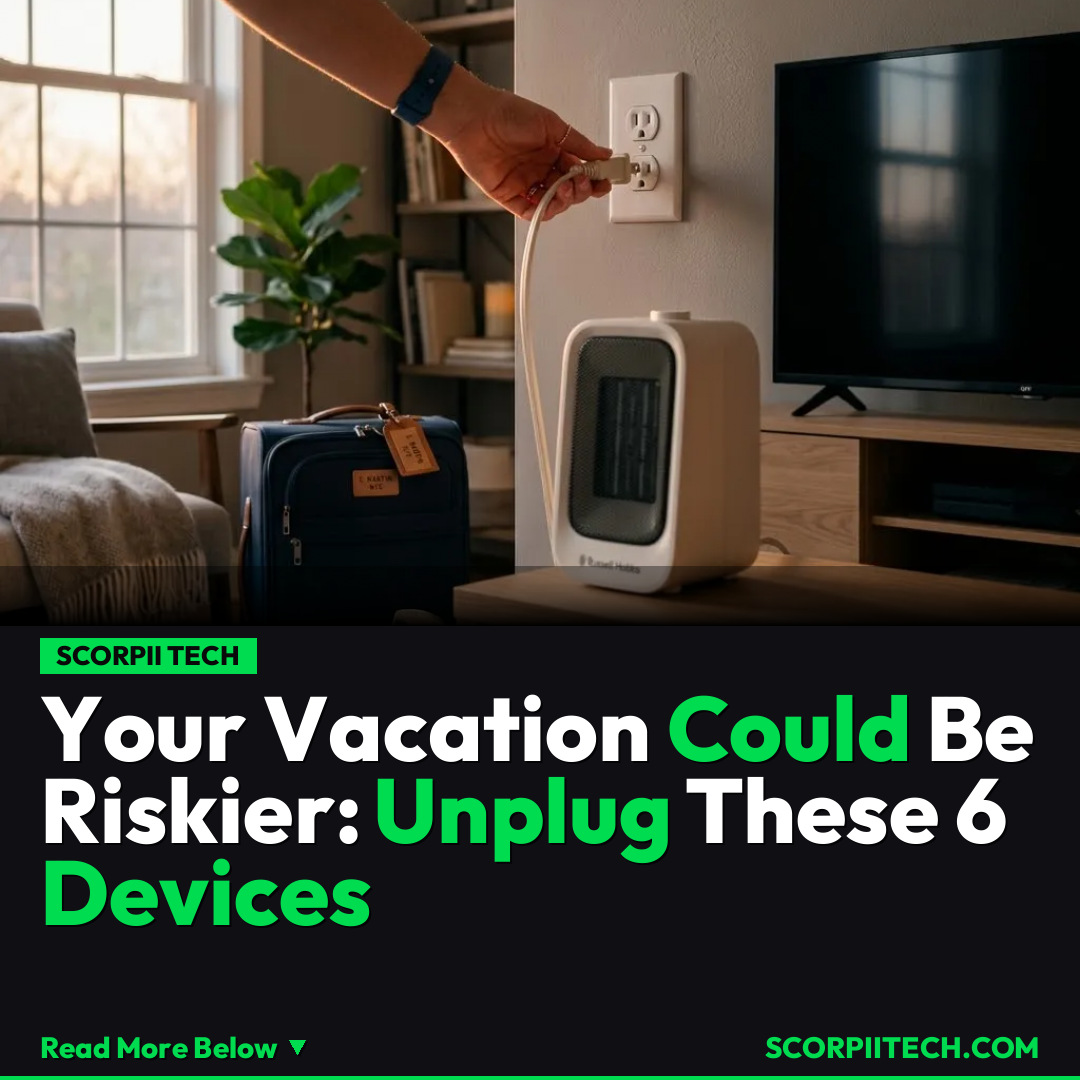
When you're packing your bags, you should be thinking about physically unplugging those devices that fall into the "not physically safe" category. Think about high-wattage appliances that generate heat or have mechanical components that could fail. This includes your kitchen powerhouses like toaster ovens and air fryers, which are fantastic for quick meals but represent a real risk if they malfunction while you're away. Space heaters, designed for temporary warmth, are another prime example of a device that should always be unplugged when not in direct use, especially before a long absence. The risk of these devices overheating or starting a fire is a serious concern that you can easily mitigate.
Beyond the immediate safety risks, you're likely losing money to "vampire drain." Devices like desktop computers, which often have continuous background processes or small indicator lights, can consume surprising amounts of electricity over days or weeks. Even items you might not consider, such as air conditioners and large televisions, continue to draw power even when turned off at the remote. Don't forget those convenient battery banks and other rechargeable devices; while they may seem innocuous, they too contribute to your energy bill and, in some rare cases, can pose a minor fire risk if they short circuit or overheat.
Why This Matters
You work hard for your home and your peace of mind. Leaving for vacation should be a time of relaxation, not anxiety about potential hazards or ballooning utility bills. Ignoring these simple unplugging practices can have tangible consequences for you. An unforeseen electrical fault, however rare, can quickly escalate into a devastating house fire, putting your most valuable asset and irreplaceable memories at risk. Moreover, the cumulative effect of phantom load from multiple devices can quietly add significant dollars to your electricity bill each month, a cost that feels particularly wasteful when you're not even home to benefit from the power being drawn.
By taking a few extra minutes to unplug the critical devices, you're not just preventing a potential disaster; you're actively contributing to your financial well-being and practicing smarter energy consumption. It’s a small habit that yields significant returns in both safety and savings, ensuring that your homecoming is a happy one, free from unwelcome surprises on your utility statement or, worse, property damage.
The Bottom Line
Before you embark on your next adventure, make a quick sweep of your home. Identify those six key categories of devices – your desktop computers, air conditioners, space heaters, toaster ovens, air fryers, and all your battery banks and rechargeable gadgets – and take the extra moment to physically unplug them from the wall. This simple act is your most effective defense against both potential fire hazards and unnecessary energy waste. You'll return to a safer home and a more agreeable electricity bill, allowing you to fully enjoy the post-vacation glow without any hidden regrets. Make unplugging a non-negotiable part of your pre-travel routine, starting today, April 5, 2026.
Originally reported by
BGRWhat did you think?



Stay Updated
Get the latest tech news delivered to your reader.