Why Your TikToks Could Be Training AI (and How to Stop It)
TikTok is testing an AI 'remix' feature that could use your videos to train its AI models. Learn what this means for your content and how you can easily opt out to protect your digital likeness.
Editorial Note
Reviewed and analysis by ScoRpii Tech Editorial Team.
In this article
When you post something on the internet, you cede a measure of control to anyone who might happen upon it. Now, TikTok is taking that concept to a whole new level with a new AI 'remix' feature that could transform your content in unexpected ways. This isn't just about going viral; it's about what happens to your digital self.
Key Details
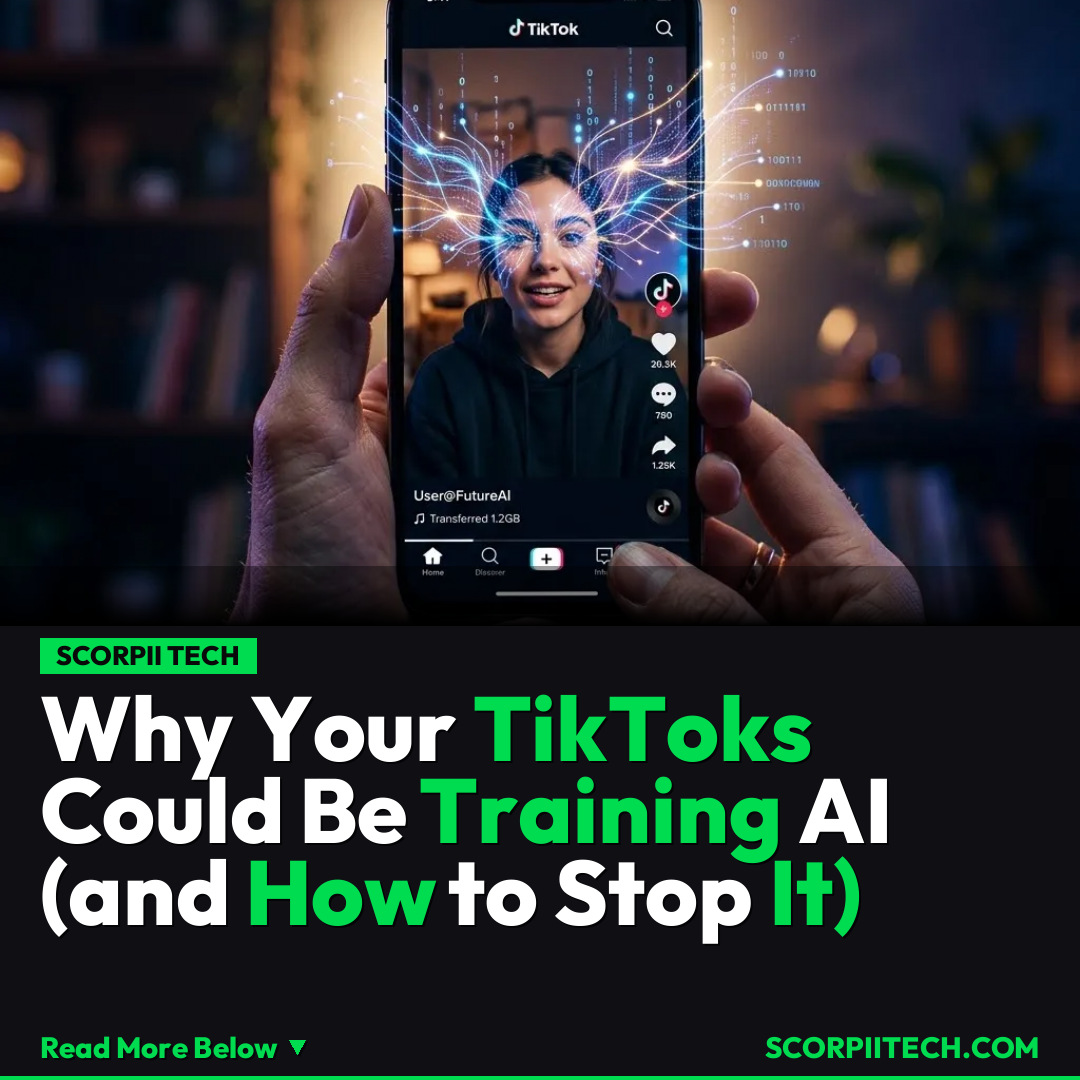
You know that feeling when a catchy sound goes viral, and everyone remakes it? Well, TikTok is reportedly taking that idea and supercharging it with artificial intelligence. The popular platform is currently testing an AI 'remix' feature that could allow its AI models to transform your existing videos into entirely new creations. This isn't just about a filter or a new effect; we're talking about a potentially significant shift in how user-generated content is handled.
Deploy your next full-stack application effortlessly. Get $200 in free DigitalOcean credits to host your Laravel or Python APIs.
The real twist here, as CNET has highlighted, is what's lurking beneath the surface. Opting into these AI remixes essentially means you're giving TikTok permission for your face, your movements, and your unique video content to be used to train the company's AI models. Think of it as your personal brand contributing to what some are calling TikTok's 'AI facto' – a digital assembly line constantly learning from your likeness. This raises immediate questions about digital consent and the future of creative ownership on the platform.
But don't panic just yet! TikTok is also rolling out an important safety net: an opt-out feature. If the idea of your digital likeness being used to train AI models doesn't quite sit right with you, the process to keep your content out of the 'AI facto' is surprisingly straightforward. You can tap on one of your TikTok videos, then tap the three dots in the bottom right corner. From there, you'll simply scroll down and choose "Privacy Settings" to make your preference clear.
Why This Matters
Why should you care about this beyond the technical details? This isn't just a niche feature for hardcore creators; it touches on fundamental questions about your digital autonomy. In an age where AI is becoming increasingly sophisticated, the line between original content and AI-generated content is blurring rapidly. When your face and unique style are fed into an AI model, it’s not just about a single remix; it’s about contributing to the broader intelligence of the AI itself. This could impact everything from how your content is attributed to how easily deepfakes could be created from your public data, whether by TikTok or other bad actors.
For content creators, this is a particularly thorny issue. Your likeness, your unique expressions, your hard-earned engagement – these are the building blocks of your personal brand. Allowing these elements to be absorbed into an 'AI facto' for remixes, and by extension, for AI training, can feel like signing over a piece of your creative soul. It forces you to weigh the potential for increased visibility from AI-generated content against the potential loss of control over your own image and the ethical implications of how your data is used.
The Bottom Line
So, what's your move? Whether you're excited by the creative potential of AI remixes or deeply concerned about digital privacy, the power to choose is in your hands. Take a moment today, April 24, 2026, to review your TikTok privacy settings. Understanding where your content goes and how it's used is no longer just a good idea; it's a critical step in maintaining control over your digital identity. Don't let your 'AI facto' contribution be an unconscious one – make an informed decision about your content's future.
Originally reported by
LifehackerWhat did you think?



Stay Updated
Get the latest tech news delivered to your reader.