Steph Curry's Secret Wearable: What It Means For Your Next Fitness Tracker
NBA star Steph Curry is secretly testing Google and Fitbit's new screenless fitness tracker. Discover what this Whoop competitor could mean for your health data and future wearable choices.
Editorial Note
Reviewed and analysis by ScoRpii Tech Editorial Team.
In this article
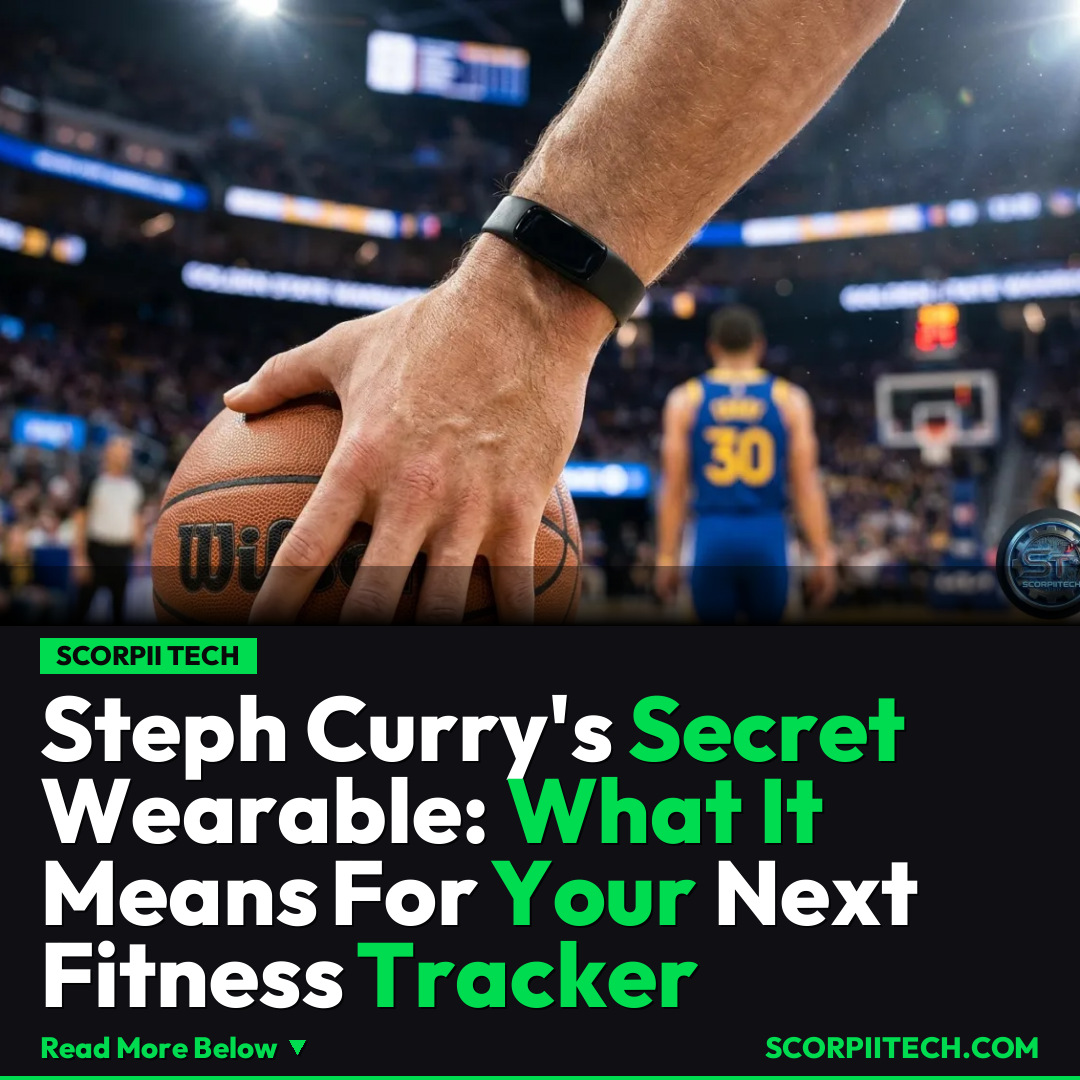
You've been watching NBA legend Steph Curry dominate on the court, but have you noticed what's subtly on his wrist? It’s not just a stylish accessory; Curry is quietly field-testing Google and Fitbit's secretive new screenless fitness tracker. This isn't just another gadget; it's a direct challenger to established players like Whoop, signaling a major shift in how you might track your health and engage with your data in the very near future.
Key Details
According to a Bloomberg report, highlighted by Mashable, Steph Curry has been spotted wearing a prototype of Google and Fitbit’s latest innovation: a screenless fitness tracker. This device is designed to be a direct competitor to Whoop, a company known for its subscription-based, screen-free approach to health monitoring. The primary way to catch a glimpse of this cutting-edge tech? Simply keep watching Golden State Warriors games, as the NBA legend continues his field tests during actual play. Curry himself has added to the mystery, quoted saying, “I won’t spoil it. You kinda have to see it for yourself 👀” when asked about the device.
Need fast, secure, and affordable hosting for your next website or PHP application? We recommend Hostinger Managed Hosting. Get premium speeds, a free domain, and 24/7 expert support.
This new Google screenless fitness tracker isn't just about discreet monitoring; it’s expected to heavily feature an AI-powered Fitbit personal health coach. Imagine a device that not only collects your data but actively helps you interpret it and guide your wellness journey. Like its competitor, it will likely operate on a paid subscription model for access to its most advanced features and personalized insights, moving beyond the one-time purchase of hardware to a continuous service. Droid Life has also weighed in on the buzz, noting the potential for this device to redefine how you interact with your health metrics.
The device has been seen on Curry's wrist during games, including a specific sighting in Los Angeles, California, at the Intuit Dome, home of the LA Clippers. This high-profile testing environment underscores Google and Fitbit’s confidence and the device's readiness for real-world application, even if it's not yet publicly available. The focus remains on a minimalist, screenless design, ensuring that your health tracking is integrated seamlessly into your life without the constant distraction of a display.
Why This Matters
This move by Google and Fitbit isn't just about launching a new product; it signals a significant shift in the wearable technology market and could profoundly impact how you engage with your personal health data. The emphasis on a screenless design suggests a move away from the 'smartwatch as a second phone' paradigm towards a more dedicated, less intrusive health companion. For you, this means less screen time and fewer distractions, allowing the device to work silently in the background while still providing powerful, actionable insights through its AI-powered coaching. It's about data-driven health without the constant glow of a display.
Furthermore, Google and Fitbit’s direct challenge to Whoop validates the growing demand for subscription-based, highly personalized health tracking. This competitive landscape will likely spur innovation, potentially leading to more sophisticated AI coaching, richer data analysis, and improved user experiences across the board. If you're someone who values deep health insights without the added notifications and complexity of a full smartwatch, this emerging category, championed by major players like Google and Fitbit, could become your go-to for comprehensive wellness tracking. It indicates a future where your wearable isn't just a gadget, but a proactive partner in your health journey.
The Bottom Line
You now have a clear reason to keep your eyes peeled during Golden State Warriors games – not just for the baskets, but for a glimpse of the future of fitness tech on Steph Curry’s wrist. Google and Fitbit's screenless Whoop competitor, with its AI-powered coaching and likely subscription model, represents a pivotal moment in wearables. Prepare for a future where your fitness tracker might be less about what you see on a screen and more about the intelligent, personalized insights you receive. This could very well be your next step toward a more integrated, less distracting approach to personal health and wellness.
Originally reported by
MashableWhat did you think?


Stay Updated
Get the latest tech news delivered to your reader.