Why Tiny Pests Are Causing Your Internet Blackouts
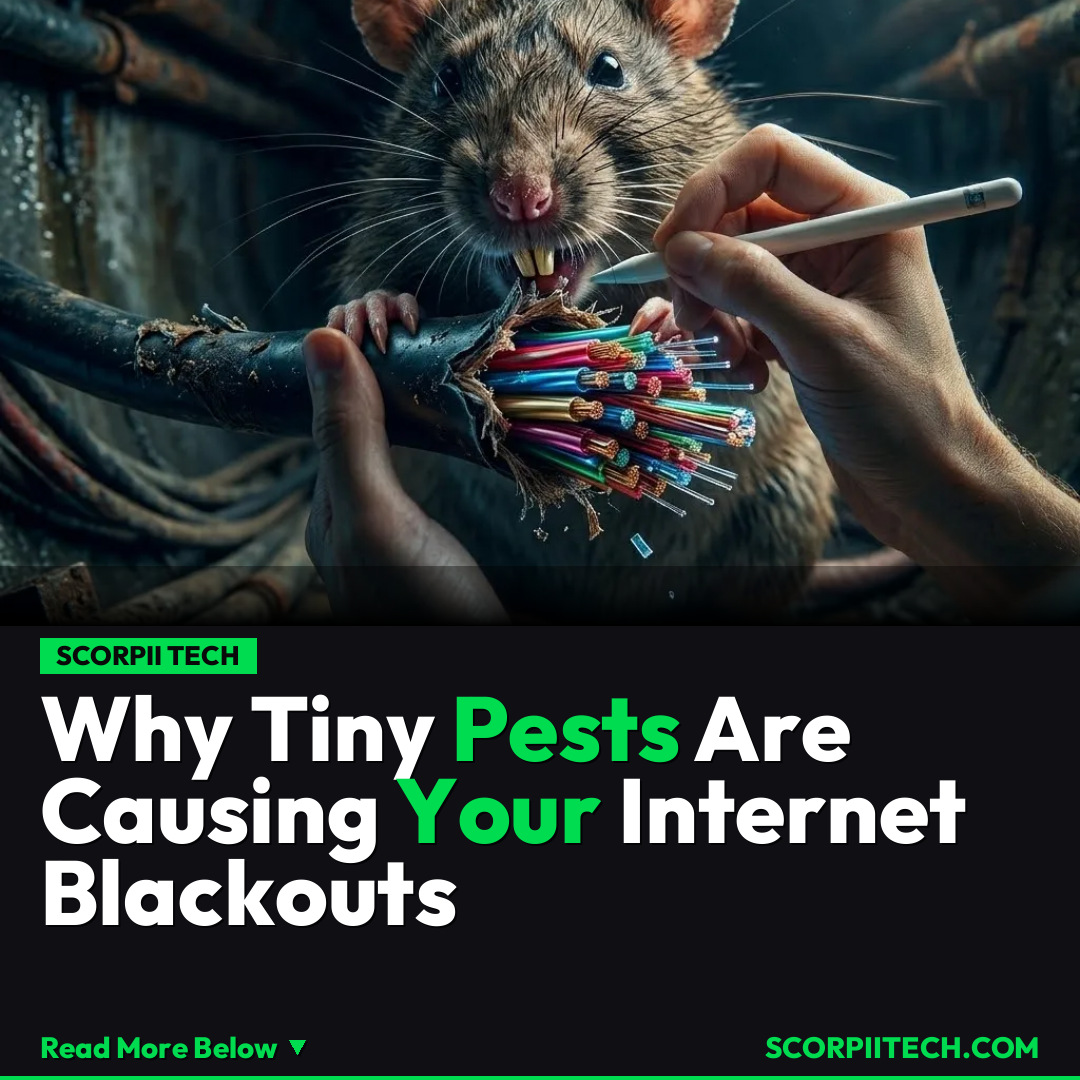
Tiny rats are wreaking havoc on your fiber optic internet cables, causing unexpected blackouts. Discover why these pests find your cables so tasty and what it means for your connection.
Editorial Note
Reviewed and analysis by ScoRpii Tech Editorial Team.
In this article
You're probably used to hearing about cyberattacks or natural disasters causing internet outages. But what if we told you that one of the biggest threats to your lightning-fast fiber optic internet connection comes from something far smaller, furrier, and surprisingly adept at demolition? Prepare to be surprised by the true culprits behind some of your recent digital disruptions.
Key Details
You might find it hard to believe, but rats are systematically targeting and damaging crucial fiber optic internet cables beneath our cities. It's not just a random act; these rodents are specifically drawn to the newer, supposedly eco-friendly biodegradable cable sheaths. As Graem Oxby, Chief Executive Officer, candidly put it, rats still seek out cables because they are "very tasty," especially when those sheaths are made from soy or corn-based materials. This unintentional gourmet preference by rodents is leading to a growing, costly problem for internet service providers globally.
Deploy your next full-stack application effortlessly. Get $200 in free DigitalOcean credits to host your Laravel or Python APIs.
This isn't a niche issue confined to some obscure corner of the world. You'll find evidence of this subterranean sabotage impacting major urban centers. From London, England – specifically areas like Hertfordshire and Doncaster – where providers such as G.Network, Community Fibre, and Openreach are grappling with frequent disruptions, to bustling metropolises like New York and other parts of the U.S., reports from outlets like the BBC, The Telegraph, and even historical incidents with Time Warner Cable highlight the widespread nature of this peculiar problem. These aren't just minor inconveniences; we're talking about widespread internet blackouts caused by tiny teeth.
Why This Matters
You rely on your internet connection for everything, from streaming your favorite shows and working remotely to critical communications and online banking. When rats chew through these vital fiber optic lines, they don't just cause a momentary glitch; they can trigger extensive internet blackouts that halt productivity, disrupt essential services, and leave entire communities offline. Imagine trying to meet a deadline, attend a virtual meeting, or even call emergency services when your internet connection is suddenly severed, not by a hacker, but by a rodent looking for a snack.
The shift towards biodegradable cable sheaths, while environmentally conscious, has inadvertently created a new vulnerability in our digital infrastructure. While the intention was good, the consequence is a buffet for urban wildlife, turning our essential internet infrastructure into a target. This issue underscores a fascinating intersection of technology, urban wildlife, and environmental policy, posing a unique challenge for engineers and city planners who must now design and deploy cables that are both sustainable and rodent-proof. Your daily digital life hinges on finding a solution to this surprisingly primitive threat.
The Bottom Line
So, what does this mean for you? While you can't personally guard your neighborhood's underground cables from persistent rodents, understanding this unique vulnerability sheds light on the unexpected challenges facing our interconnected world. Demand for more resilient and innovative cable protection solutions will undoubtedly grow. Next time your internet falters, instead of immediately blaming your router, consider the unseen battle being waged below ground. It's a reminder that even in our advanced digital age, some of the biggest problems can come from the smallest, most natural sources. Stay informed, stay connected, and maybe spare a thought for those beleaguered fiber optic technicians.
Originally reported by
BGRWhat did you think?



Stay Updated
Get the latest tech news delivered to your reader.