Here's Why Your Next Internet Upgrade Needs To Be Fiber
Considering an internet upgrade? Discover fiber optic internet's unique benefits: unparalleled reliability, less latency, and a true game-changer for your digital life.
Editorial Note
Reviewed and analysis by ScoRpii Tech Editorial Team.
In this article
You might think all internet connections are cut from the same cloth, especially when we're talking about physical cables snaking into your home. But if you're experiencing lag, buffering during peak hours, or just general internet sluggishness, it's time to pull back the curtain on a game-changer: fiber optic internet. It's more than just another cable; it's a fundamental shift in how your data moves.
Key Details
While the core idea of sending internet through a physical cable sounds familiar, you'll find that fiber optic internet operates on an entirely different level than traditional cable internet. Traditional cable, often reliant on older copper coaxial connections, sends signals as electrical pulses. This method, while functional, comes with inherent limitations. Think about how electricity behaves – it can degrade over distance and be more susceptible to interference, especially in busy, high-traffic areas.
Deploy your next full-stack application effortlessly. Get $200 in free DigitalOcean credits to host your Laravel or Python APIs.
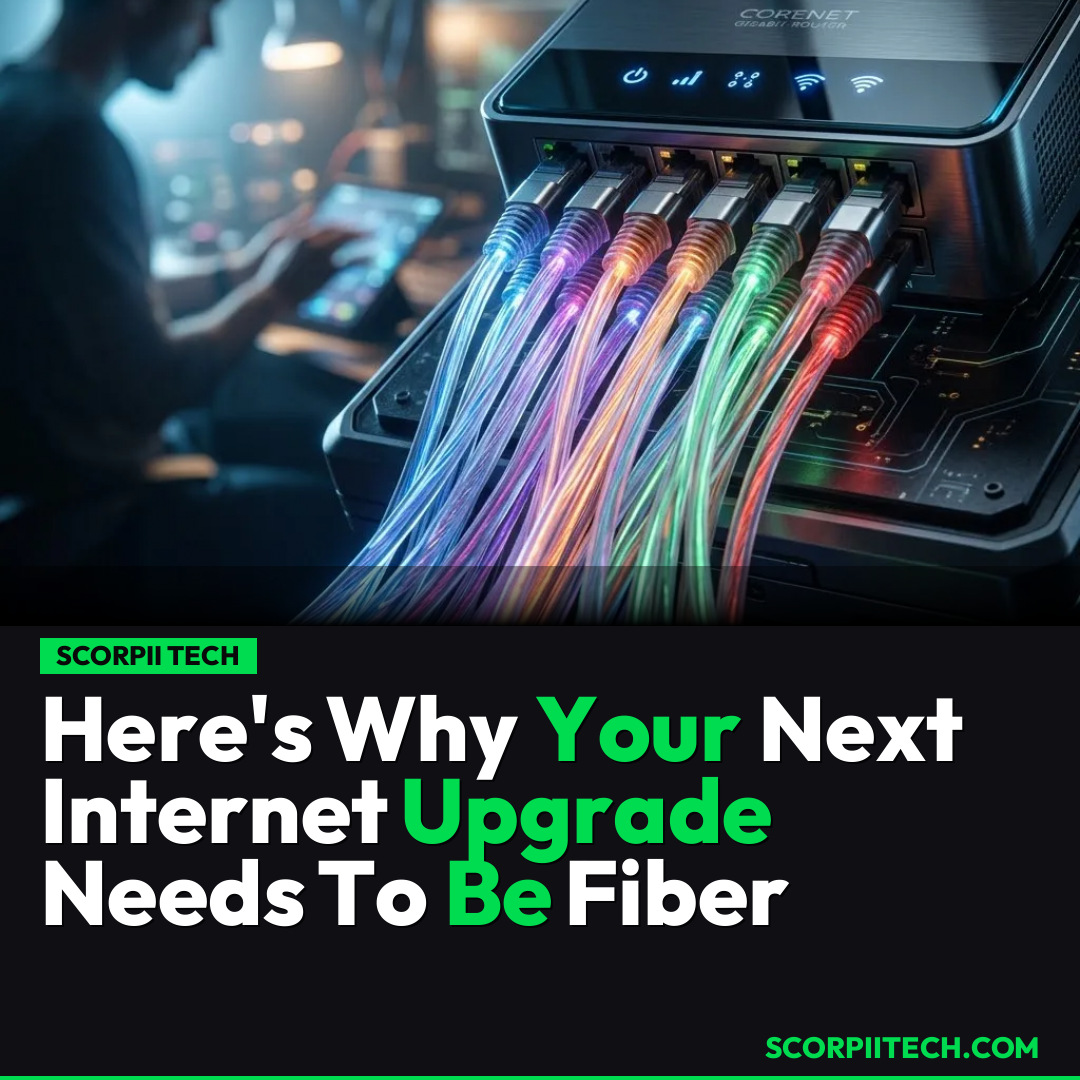
In stark contrast, fiber optic cables transmit data through encoded light. Yes, light! These revolutionary cables, often made of incredibly thin plastic or glass strands, literally beam your internet signals at the speed of light. This fundamental difference is precisely where fiber internet gains its significant edge. What does this mean for your daily browsing, streaming, and gaming experience?
You're looking at a generally more reliable service, for starters. Because light signals are less prone to degradation and electromagnetic interference than electrical pulses, your connection remains more stable, even over longer distances. This translates directly to less latency – that annoying delay between when you click something and when it responds – and significantly reduced bottlenecking in crowded service areas. Ever notice your internet crawl during prime time? Fiber is designed to handle that traffic with grace, ensuring a smoother experience whether you're connected via Wi-Fi or ethernet cables.
Why This Matters
Why should you care about light versus electrical pulses? Because this technical distinction profoundly impacts your digital life every single day. If your work relies on video conferencing, low latency means fewer frozen screens and clearer communication. For the avid gamer, that reduced lag can be the difference between victory and defeat. And for families, or anyone with multiple smart devices, the reduced bottlenecking means everyone can stream, download, and browse simultaneously without grinding to a halt. You no longer have to negotiate who gets the 'good' internet connection.
Beyond the immediate benefits, upgrading to fiber optic internet is also an investment in your future. As our digital demands continue to grow, with higher resolution content, cloud gaming, and more connected smart home devices, the superior bandwidth and stability of fiber become increasingly critical. You're not just getting faster internet today; you're securing a robust, future-proof connection capable of handling whatever technological advancements come next, far outpacing the capabilities of older copper coaxial networks.
The Bottom Line
So, what's the takeaway here? If you're experiencing anything less than stellar internet performance – especially if you're still on a traditional cable connection – it's well worth investigating whether fiber optic internet is available in your area. You might think you're getting by, but the hidden perks of a truly reliable, low-latency connection powered by light can fundamentally transform your online experience. Stop settling for 'good enough' and explore an upgrade that genuinely delivers on its promises.
Originally reported by
BGRWhat did you think?



Stay Updated
Get the latest tech news delivered to your reader.