Is Your 'Free' Streaming Box Secretly Serving Hackers?
That cheap Android streaming box might be doing more than just playing movies. Discover how hackers could be using your internet connection without your permission, according to the FBI.
Editorial Note
Reviewed and analysis by ScoRpii Tech Editorial Team.
In this article
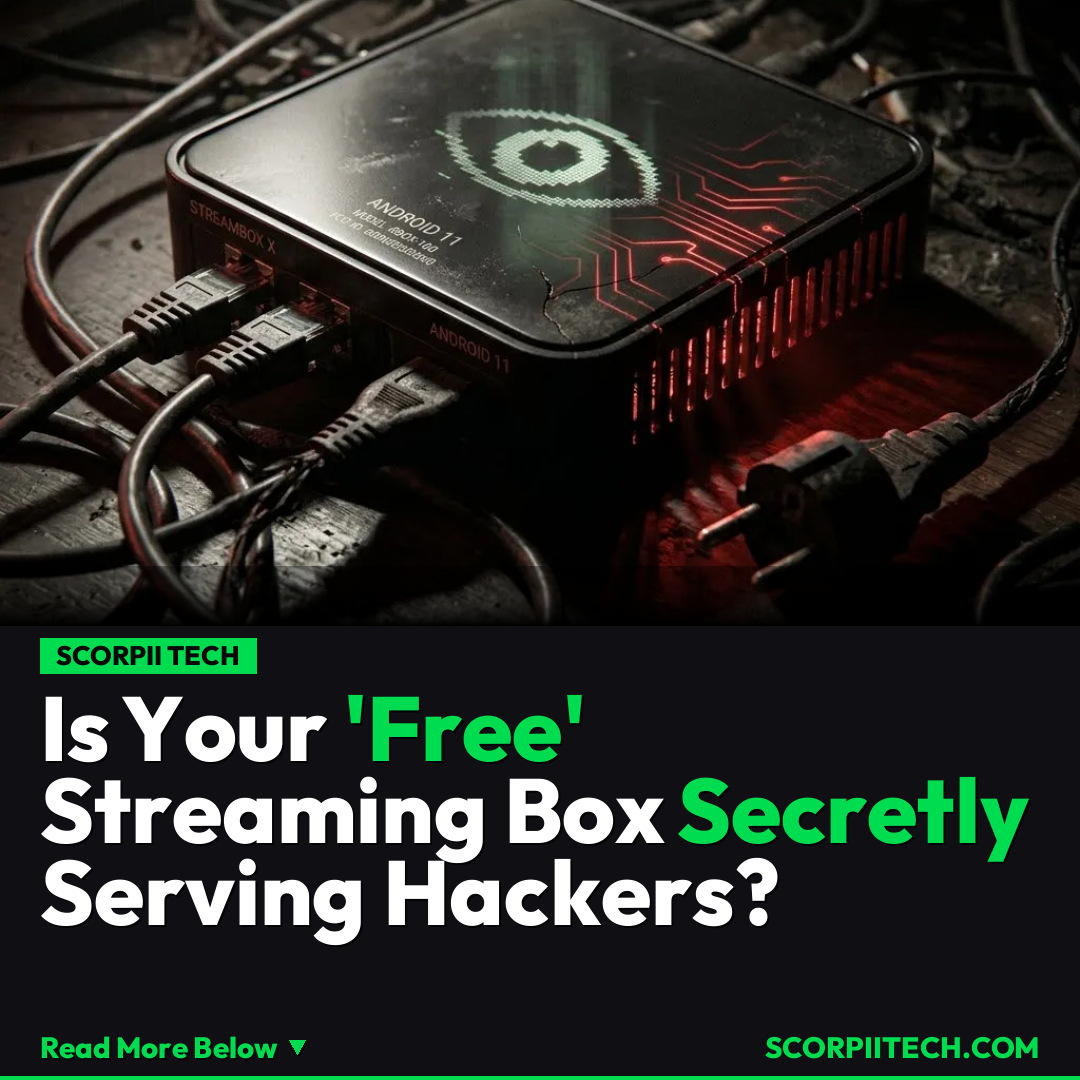
So you found yourself an off-brand Android-based streaming box with 'free' movies, TV shows, and sports channels, and it costs less than $50. Sounds like a dream, right? But what if that bargain device is actually a nightmare in disguise, silently turning your home internet into a tool for hackers? The FBI has a chilling warning you need to hear about your streaming device.
Key Details
You might think you've stumbled upon an incredible deal, unlocking a world of content from services like Disney+, Hulu, and ESPN+ without the subscription fees. However, the FBI is cautioning consumers about the hidden dangers lurking within these ultra-cheap, 'free' content streaming boxes. While advertised as an affordable gateway to entertainment, these devices carry a significant risk: they could be commandeered by malicious actors to create a vast "residential proxy network." This means your device, and by extension your internet connection, could be unwittingly used by hackers to mask their illicit activities.
Need fast, secure, and affordable hosting for your next website or PHP application? We recommend Hostinger Managed Hosting. Get premium speeds, a free domain, and 24/7 expert support.
The problem stems from how these off-brand Android devices are engineered. They often come with pre-loaded software that can be exploited or even designed to operate as part of a larger network without your consent. Imagine your internet bandwidth being siphoned off to facilitate cybercrime, making it appear as if you are the source. The implications are far-reaching, from privacy breaches to potential legal complications, all while you're just trying to catch up on your favorite shows. Google, as the developer of the Android operating system, continuously works to secure its ecosystem, but these devices often bypass official channels and security updates.
Why This Matters
This isn't just a hypothetical threat; it directly impacts your digital life. If your streaming box is part of a residential proxy network, hackers could be using your unique IP address to launch attacks, commit fraud, or distribute malware. Your internet connection could be slowed down, your personal data could be at risk, and you could even find your IP address flagged for suspicious activity. The allure of 'free' content comes with a hefty price tag in potential security vulnerabilities and privacy compromises. As the quote reminds us, "Nothing on the internet is truly ever 'free,' or 'unlimited,'" especially when it comes to technology.
The FBI's warning highlights a critical blind spot for many users: the assumption that a device purchased for entertainment is solely for entertainment. When you connect an unknown Android-based device to your home network, you're essentially opening a door. These devices, costing less than $50, often lack the rigorous security vetting of mainstream electronics, making them prime targets for those looking to exploit your resources without permission. You are providing the infrastructure for nefarious activities without your knowledge.
The Bottom Line
So, what should you do if you own one of these off-brand Android streaming boxes? First, consider disconnecting it from your network immediately. To check if your devices are consuming excessive bandwidth or processing power, you can use tools like Task Manager on Windows, Activity Monitor on macOS, or GlassWire on Android to monitor network activity. These utilities can help you identify unusual data usage that might indicate your device is part of an unwanted residential proxy network. Ultimately, investing in reputable streaming solutions, even if they come with subscription costs like Disney+, Hulu, or ESPN+, offers far greater peace of mind and security. Your internet connection and digital privacy are too valuable to risk for 'free' entertainment.
Originally reported by
BGRWhat did you think?


Stay Updated
Get the latest tech news delivered to your reader.