Your EV's Secret Cost: Why Tires Wear Out Faster
Discover why your electric vehicle's tires wear out up to 20% faster than gas car tires, costing you more. We break down the reasons from Michelin.
Editorial Note
Reviewed and analysis by ScoRpii Tech Editorial Team.
In this article
You've probably heard the buzz around electric vehicles, especially with incredible new EV battery tech pushing ranges and features further than ever. But as you consider making the switch or already drive an EV, there's a surprising detail you might not be considering: your tires. Despite all the advancements, your EV's tires are likely wearing out much faster than those on a traditional gas car.
Key Details
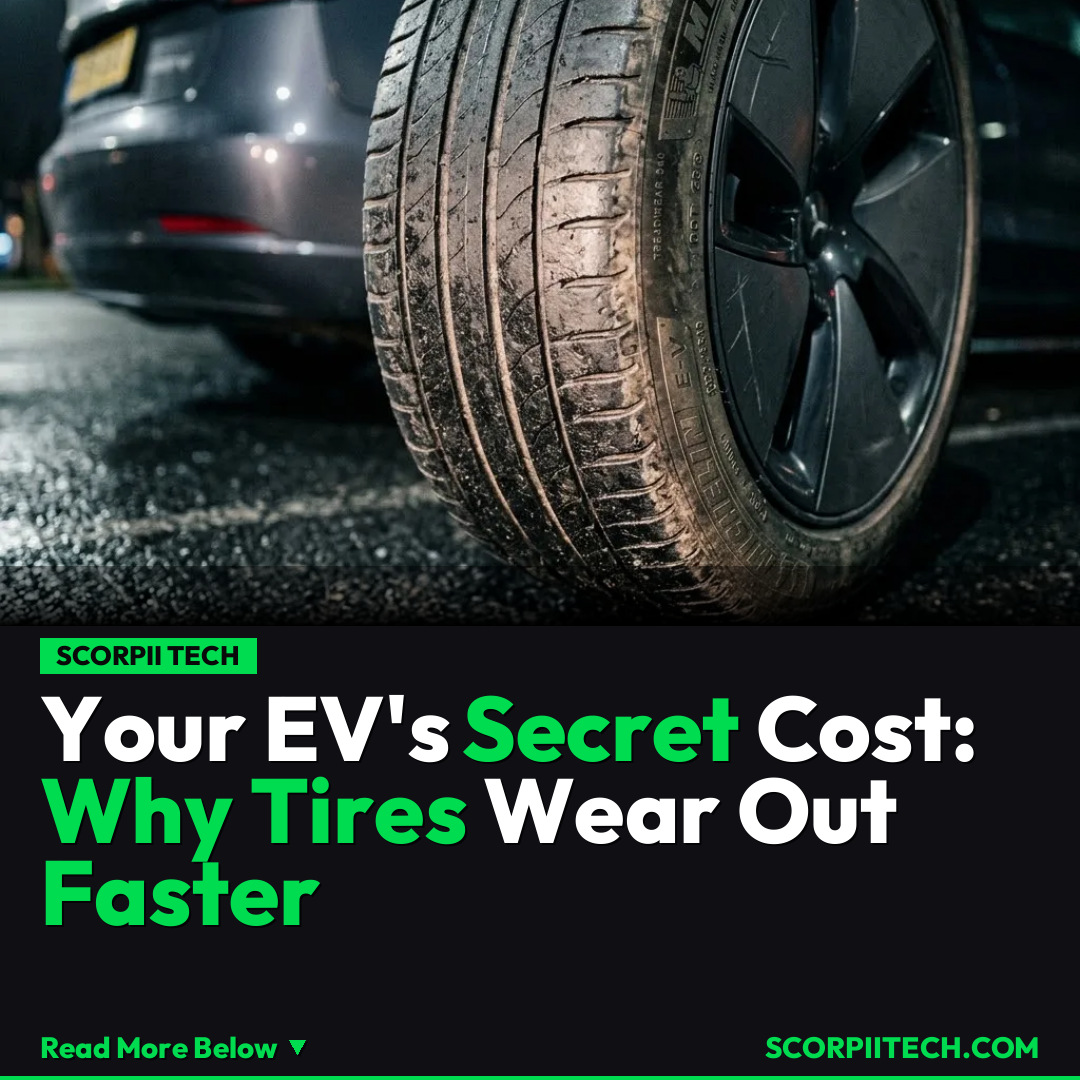
It sounds counter-intuitive, doesn't it? Yet, according to Scott Clark, a former Michelin executive, "EVs tend to wear out their tires up to 20% faster than standard gas vehicles." This isn't just an anecdotal observation; it's a measurable difference stemming from the fundamental characteristics of electric vehicles. When you press the accelerator, you get instant torque, which puts immediate and intense strain on your tires. Additionally, EV battery tech, while impressive, adds significant weight to the vehicle. This increased mass means your tires are constantly supporting a heavier load, leading to accelerated wear, especially when cornering or braking.
Need fast, secure, and affordable hosting for your next website or PHP application? We recommend Hostinger Managed Hosting. Get premium speeds, a free domain, and 24/7 expert support.
To counteract these challenges, tire manufacturers like Michelin have had to redesign tires specifically for EVs. These specialized EV tire designs incorporate features such as stiffer sidewalls to handle the extra weight and instant torque, and often use a harder compound with narrower treads to reduce rolling resistance and maximize efficiency. While these innovations help improve range and handling, they also contribute to the faster EV tire wear you might experience, creating a complex balance between performance, efficiency, and longevity.
Why This Matters
For you, the EV owner or potential buyer, understanding EV tire wear isn't just a technical curiosity; it directly impacts your wallet. Faster tire wear means more frequent trips for replacements, translating into higher operating costs over the lifetime of your vehicle. While you might be saving on fuel, these hidden maintenance expenses can add up. Being aware of this allows you to factor it into your overall budget for owning an electric vehicle, helping you make more informed decisions about long-term costs. It also means you'll need to be more diligent about checking tire pressure and tread depth.
The Bottom Line
So, what should you do with this information? As you embrace the future of electric mobility, understand that proactive tire management is key. Pay close attention to your EV tire wear patterns, ensure regular inspections, and budget for more frequent replacements than you might be used to with a traditional gas car. While the benefits of electric vehicles are undeniable, being prepared for the nuances of their maintenance, particularly regarding tires, will help you maximize your enjoyment and minimize unexpected costs on your journey into the electric age.
Originally reported by
BGRWhat did you think?



Stay Updated
Get the latest tech news delivered to your reader.