Charging Your Tesla With Solar: Here's What You Need To Know
Want to charge your Tesla using solar panels? Discover the essential components like inverters and charge controllers you'll need, plus advice from Edmunds on setting up your system.
Editorial Note
Reviewed and analysis by ScoRpii Tech Editorial Team.
In this article
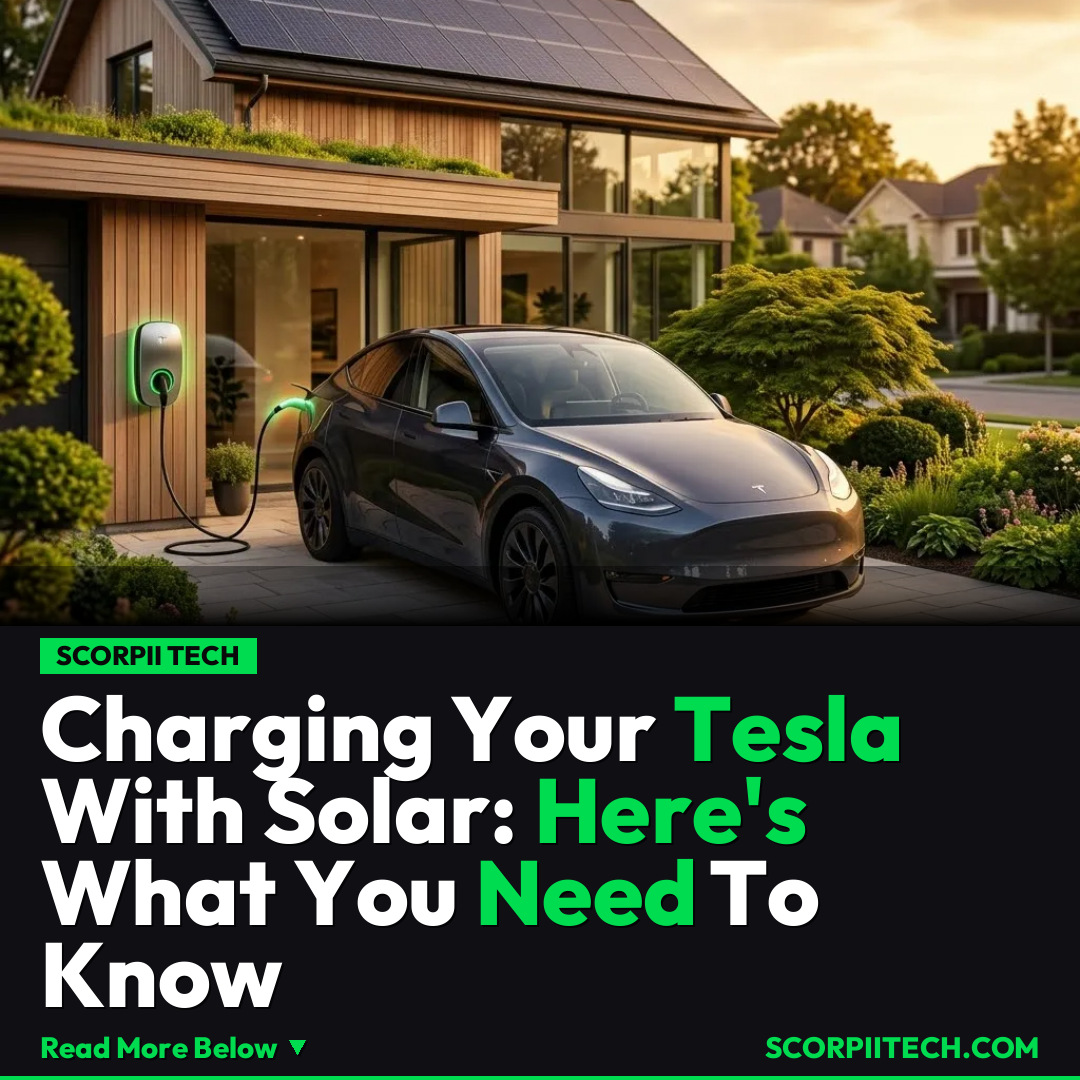
You can charge pretty much anything with a solar panel, given the right setup and enough time. So, imagine the freedom of powering your high-tech Tesla, not from the grid, but directly from the abundant energy of the sun. It sounds like the ultimate eco-friendly dream, right? The good news is, it’s entirely achievable. But before you start envisioning your car running on pure sunshine, there are a few crucial components and considerations you need to understand.
Key Details
Let's cut right to the chase: charging your Tesla with solar panels is not just a pipe dream; it's a tangible reality for many EV owners. Your Tesla, with its advanced lithium-ion battery packs, is perfectly capable of accepting a charge generated from solar energy. The core principle remains the same as charging any other device – converting sunlight into usable electricity. However, the scale and specific requirements for a powerful electric vehicle mean you can't just slap a small panel on your roof and call it a day.
Deploy your next full-stack application effortlessly. Get $200 in free DigitalOcean credits to host your Laravel or Python APIs.
To effectively charge your Tesla from solar, you'll need a robust system of interconnected components. Naturally, this starts with the solar panels themselves, which convert sunlight into DC (direct current) electricity. But your Tesla's battery, and indeed your home, typically operates on AC (alternating current). This is where an inverter comes in, transforming that DC power into AC power. Furthermore, a charge controller is essential. This device regulates the voltage and current coming from your solar panels, protecting your Tesla's sensitive lithium-ion battery packs from overcharging and ensuring a stable, efficient flow of power.
According to experts like Edmunds, the feasibility of “charging Tesla with solar panels” isn't just about having the right gear; it’s also about proper planning and execution. They emphasize that you need to “do a few things first.” This typically involves assessing your energy needs, understanding the capacity of your solar array, and potentially integrating energy storage solutions like a Tesla Powerwall. While the Powerwall isn't strictly necessary for direct solar charging to the car, it can significantly enhance your system's efficiency and allow you to store excess solar energy for charging your Tesla during off-peak hours or at night, maximizing your solar investment.
Why This Matters
So, why should you care about jumping through these hoops to charge your Tesla with solar? The benefits extend far beyond just being an early adopter. For starters, you're looking at a significant reduction, or even elimination, of your electricity bill for vehicle charging. Imagine never having to factor in fuel costs for your daily commute again, all while knowing you're drawing power from a truly renewable source. This isn't just a cost-saving measure; it's a step towards genuine energy independence, reducing your reliance on fluctuating grid prices and fossil fuels.
Beyond the financial incentives, integrating solar charging for your Tesla dramatically slashes your carbon footprint. You’re not just driving an EV; you're powering it with clean energy, closing the loop on sustainable transportation. This aligns perfectly with the ethos of electric vehicles and brings you closer to a fully green lifestyle. It's a powerful statement about your commitment to environmental stewardship, demonstrating that sustainable living is not only possible but also practical and increasingly accessible.
The Bottom Line
Ultimately, charging your Tesla with solar panels is a powerful way to maximize the environmental and economic benefits of your electric vehicle. While it requires an initial investment and careful planning involving solar panels, an inverter, and a charge controller, the long-term rewards are substantial. If you're serious about taking your EV's sustainability to the next level, start by assessing your current energy consumption and consulting with reputable solar energy professionals. With the right setup, you can truly harness the sun to power your ride, transforming your daily commute into an emissions-free, cost-effective journey, and contributing positively to a greener future.
Originally reported by
BGRWhat did you think?



Stay Updated
Get the latest tech news delivered to your reader.