It Takes Years For Solar Panels To Pay For Themselves - Here's Why
Considering solar panels? Discover why the high upfront costs mean it takes years for them to pay for themselves and what factors impact your solar panel payback period.
Editorial Note
Reviewed and analysis by ScoRpii Tech Editorial Team.
In this article
You’ve probably dreamed of harnessing the sun’s free energy to power your home, imagining a future of zero electricity bills. It may seem strange, because sunlight itself is free, but installing the necessary equipment to capture it for residential use comes with a high price tag. Before you dive in, it’s crucial to understand why this investment takes a significant amount of time to truly pay off.
Key Details
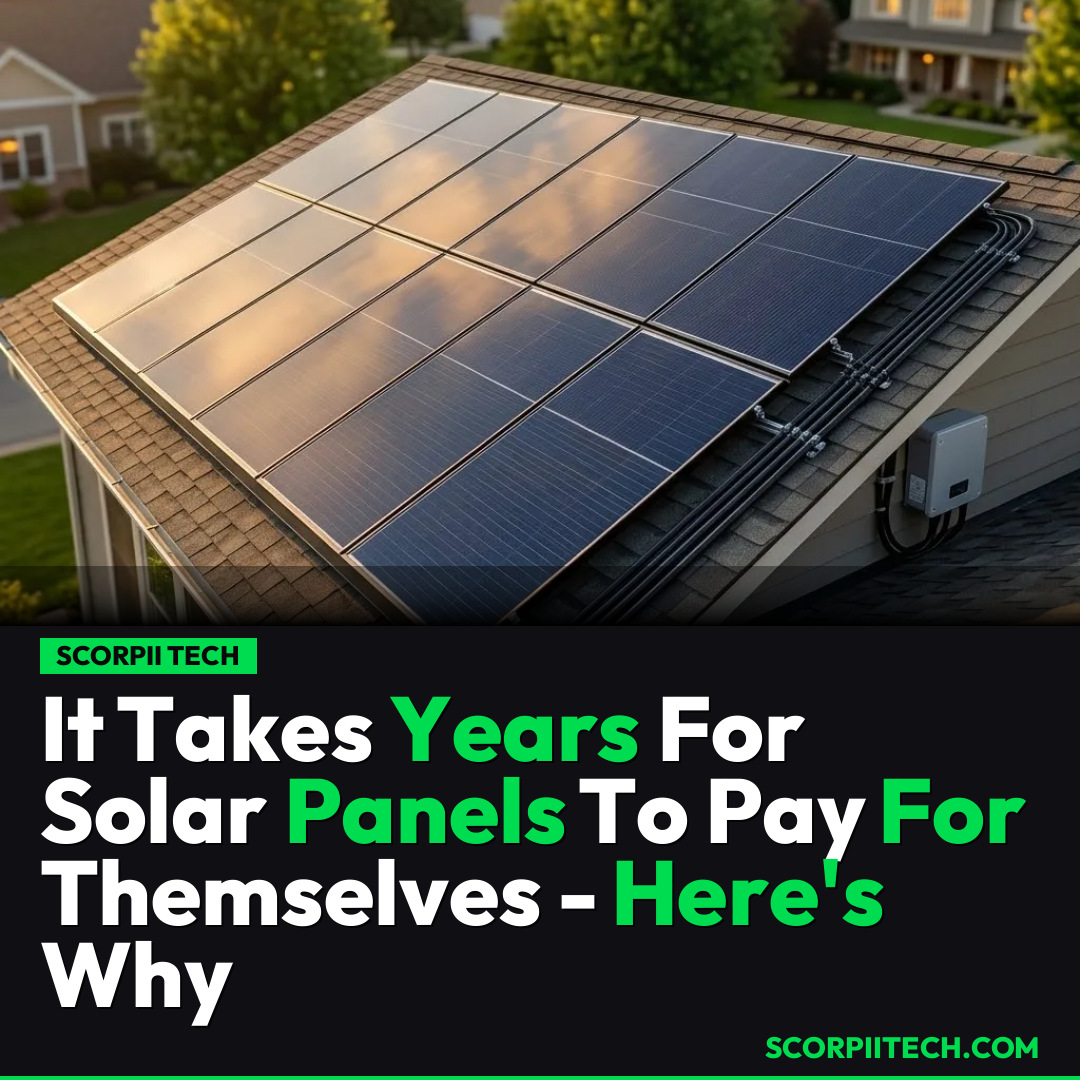
When you consider a standard home solar system for your residence in the United States, you’re not just buying a few panels. You're investing in an entire infrastructure. This includes an array of solar panels designed to convert sunlight into electricity, specialized inverters to transform that energy for home use, essential hardware to secure everything, and complex wiring to connect it all. Furthermore, you'll need professional installation to ensure everything is set up correctly and safely. All these components and services add up to thousands of dollars in upfront costs before your system even generates its first watt.
Need fast, secure, and affordable hosting for your next website or PHP application? We recommend Hostinger Managed Hosting. Get premium speeds, a free domain, and 24/7 expert support.
Beyond the core solar setup, many homeowners are also looking at residential battery systems to store excess energy, providing power during outages or at night. These cutting-edge systems, while offering greater energy independence, significantly increase your initial outlay. Depending on factors like the battery’s capacity, the brand you choose, and the complexity of the installation process, a residential battery system can cost you anywhere from $6,000 to a staggering $23,000. This substantial addition pushes your overall investment even higher, extending the time it takes for your system to reach its break-even point.
The time it takes for your solar panels to pay for themselves – what we call the solar panel payback period – isn't a fixed number. It's a dynamic calculation influenced by several key factors unique to your situation. For instance, the overall size of your system directly correlates with its cost and generation capacity. Your local weather conditions, particularly how much direct sunlight your home receives (think sunny California versus cloudier regions), dramatically impact energy production. The cost of electricity in your area, and crucially, any available state or federal tax credits you qualify for, also play a massive role in shortening or lengthening that break-even time. Understanding these variables is essential for setting realistic expectations for your investment.
Why This Matters
Understanding the high upfront costs of solar panel installation and the intricate factors influencing your solar panel payback period is absolutely critical. This isn't just about saving money on your utility bills; it's about making a significant long-term financial commitment. If you're considering going solar, especially in areas like Hawaii where energy costs can be high but so can installation complexity, knowing these details helps you plan your budget, evaluate financing options, and assess the true return on investment over time. It allows you to move beyond the initial allure of "free energy" and into a realistic assessment of financial viability.
The decision to install solar panels impacts your financial planning for years. You’re essentially prepaying for decades of electricity, but with the caveat that the initial outlay needs to be recovered. Ignoring the nuances of system size, local energy costs, or the availability of tax credits could lead to disappointment. This information empowers you to ask the right questions from installers, compare quotes effectively, and ultimately ensure that your journey to sustainable energy is also a sound financial one. It transforms what could be an overwhelming purchase into an informed investment.
The Bottom Line
Going solar is a fantastic step towards energy independence and environmental stewardship, but it requires a clear-eyed approach to its economics. Before you commit, thoroughly research all the components involved—from solar panels and inverters to hardware, wiring, and potential residential battery systems. Scrutinize the professional installation costs. Most importantly, factor in your local electricity rates, typical weather patterns, and all applicable tax credits to accurately calculate your personal solar panel payback period. By doing your homework now, you can confidently invest in a future where the sun powers your home, understanding exactly when that investment truly pays off.
Originally reported by
BGRWhat did you think?



Stay Updated
Get the latest tech news delivered to your reader.