Your Car's 12V Socket: The Hidden Danger You Plug In
You might be risking your smartphone and car's electrical system with low-quality 12V car adapters. Learn why some chargers are a hidden fire risk.
Editorial Note
Reviewed and analysis by ScoRpii Tech Editorial Team.
In this article
You probably plug your phone into your car's 12V socket without a second thought, expecting a safe, reliable charge. But here's a dark secret many inexpensive USB car adapters hide: not all are built to the same standards. You could be introducing something far more dangerous than just slow charging into your vehicle's sensitive electrical systems, risking both your device and your car.
Key Details
The core issue lies in the inconsistent manufacturing of many phone chargers, particularly those found at extremely low prices. Unlike rigorously tested devices, countless readily available 12V USB adapters often bypass critical safety tests and use substandard internal parts. This isn't just about a slow charge; it's about electrical integrity. These poorly constructed adapters can deliver what's often referred to as 'dirty power,' meaning unstable voltages and unpredictable electrical currents directly into your phone and, crucially, your car's delicate systems.
Need fast, secure, and affordable hosting for your next website or PHP application? We recommend Hostinger Managed Hosting. Get premium speeds, a free domain, and 24/7 expert support.
You might assume any issues would be isolated to your device, but that's a dangerous misconception. As one expert puts it, "Basically, any damage a shoddy 12V charger causes to a smartphone can and will carry over to the surrounding area." This means the ripple effect of a faulty charger extends far beyond your phone's battery. Your car's sophisticated onboard computer and electrical wiring are just as vulnerable to these erratic power fluctuations.
When you plug a substandard USB adapter into your car's 12V socket, you're bypassing many of the protective measures built into your vehicle's power architecture. These adapters often lack the internal circuitry needed to properly regulate the power coming from the car, converting it safely to the stable voltage your phone expects. Instead, they can inject electrical noise and spikes, creating a hazardous environment for any connected device and the vehicle itself.
Why This Matters
The stakes here are incredibly high for you. Using low-quality 12V car adapters doesn't just risk your expensive smartphone by causing potential damage to its charging port, battery, or internal components. It also poses a significant threat to your car's own electrical systems. Repeated exposure to unstable voltages can degrade wiring, blow fuses, or even damage crucial electronic control units (ECUs), leading to costly and complex repairs.
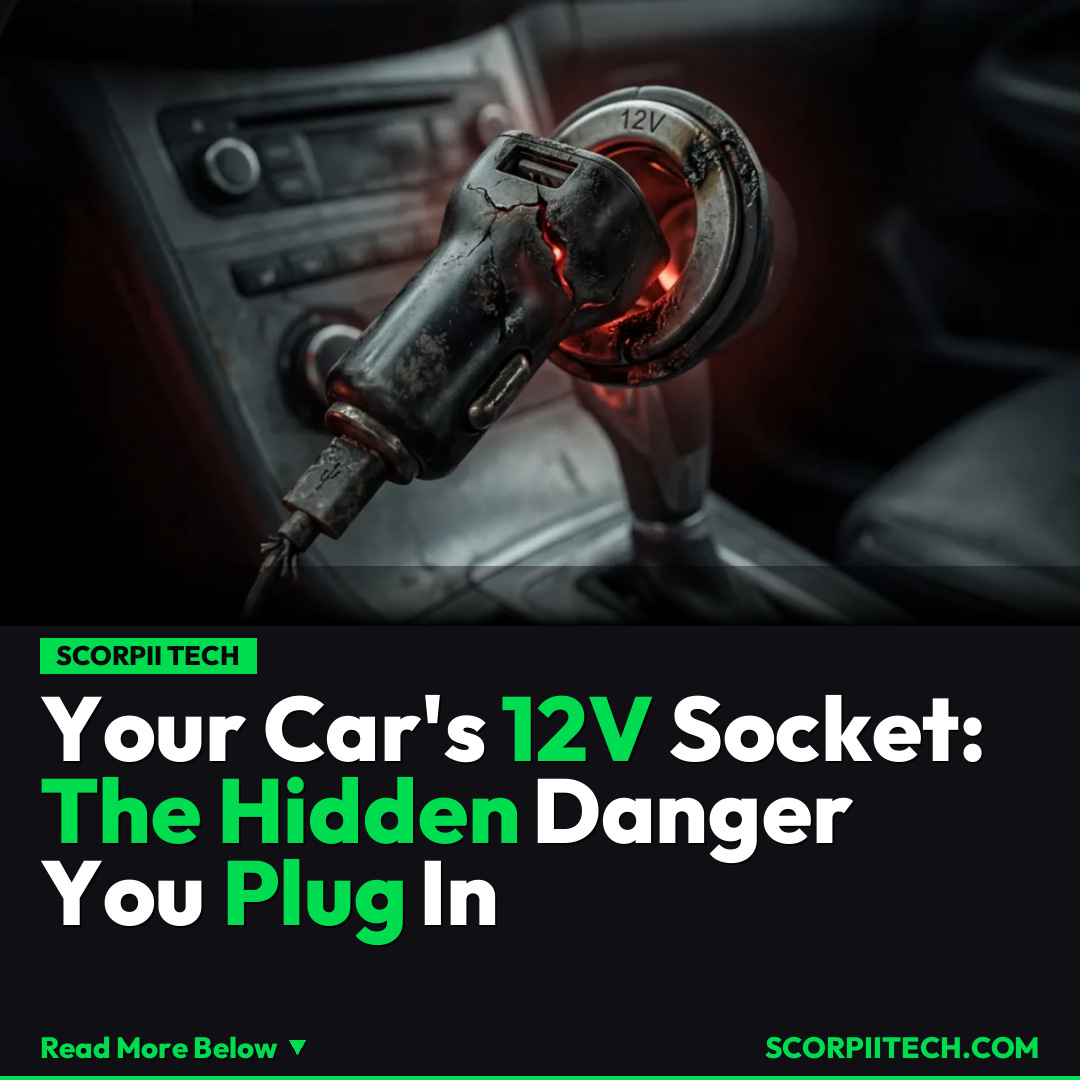
Even more concerning is the inherent fire risk. Overheating due to excessive current draw, short circuits caused by poor construction, or prolonged exposure to fluctuating power can generate enough heat to ignite nearby materials. Imagine the potential consequences of a charger igniting in your dashboard while you're driving. This isn't just about protecting your gadgets; it's about ensuring your personal safety and the longevity of your vehicle.
The Bottom Line
When it comes to charging your devices in your car, you cannot afford to prioritize price over safety. Your actionable takeaway is clear: always choose 12V USB adapters from reputable, certified brands that openly display safety ratings and have undergone rigorous testing. Be wary of unbranded, extremely cheap options. Investing a few extra dollars now for a high-quality charger will protect your valuable smartphone, safeguard your car's complex electrical system, and ultimately give you peace of mind on the road.
Originally reported by
BGRWhat did you think?



Stay Updated
Get the latest tech news delivered to your reader.