Here's What Wireless Charging Really Means For Your Battery
Are you worried about wireless charging harming your phone's battery? Discover the truth about efficiency, lifespan, and how standards like Qi2 and MagSafe play a role.
Editorial Note
Reviewed and analysis by ScoRpii Tech Editorial Team.
In this article
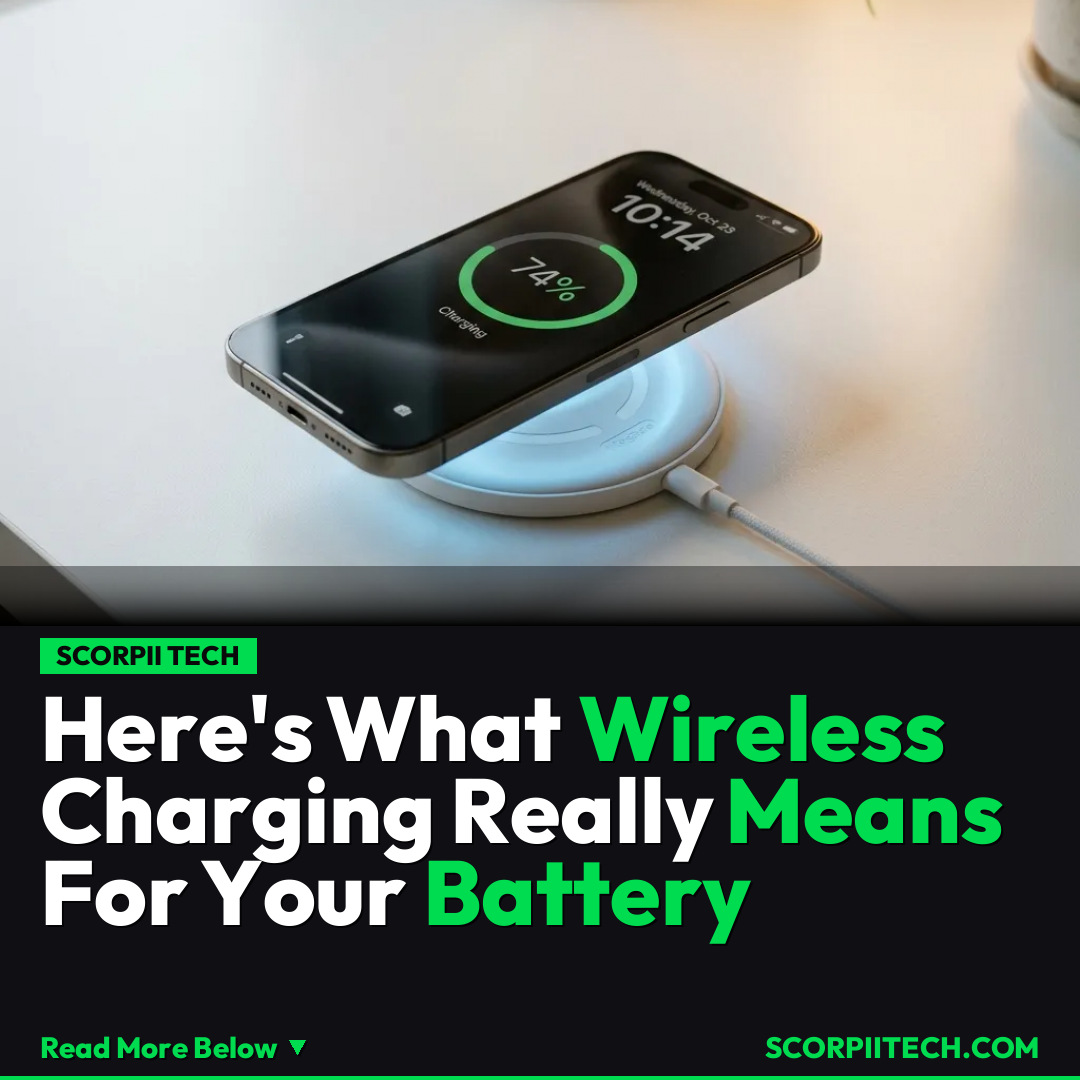
You love the convenience of dropping your phone onto a pad and watching it power up. But a nagging thought might linger: is this ease slowly destroying your device's battery? Many assume wireless charging is a silent killer for battery health, a trade-off for its undeniable simplicity. The good news? While it's true wireless charging isn't as efficient as plugging in, it's far from inherently harmful to your battery's long-term health.
Key Details
Let's get straight to efficiency. When you wirelessly charge, expect 20-30% energy loss, compared to just 5% for wired charging. This difference explains why wireless charging feels slower and your charger might warm up. This is wasted energy, not necessarily damaging your phone directly. So, while less efficient, this inefficiency doesn't inherently harm your battery's lifespan – an important distinction to grasp.
Need fast, secure, and affordable hosting for your next website or PHP application? We recommend Hostinger Managed Hosting. Get premium speeds, a free domain, and 24/7 expert support.
The wireless charging landscape is evolving. Standards like Qi2 and Apple's MagSafe certification are significant game-changers. These aren't just labels; they optimize the experience by ensuring proper alignment between your device and the charging pad. This minimizes energy loss, potentially reducing heat and improving overall efficiency. For Apple iPhones with MagSafe, magnetic alignment ensures consistent, efficient power transfer, mitigating traditional downsides. These developments are crucial for understanding the evolving impact on your device's health.
Why This Matters
Understanding these details empowers you to make smarter charging choices. If you prioritize speed and minimal energy consumption, wired charging remains superior. Higher energy loss in wireless charging means slower power-ups and more energy drawn from the wall for the same charge. Knowing these efficiency differences allows you to weigh the convenience of a cable-free life against marginal trade-offs in speed and energy use for your daily routine.
The push for Qi2 certifications and widespread MagSafe adoption by Apple indicates a future where wireless charging becomes even more reliable and efficient. This matters because manufacturers are actively addressing battery degradation concerns. As these certified technologies become prevalent, expect an optimized charging process that aims to protect your battery while still offering the undeniable ease of just placing your phone down. Your tech is working smarter to keep your battery healthy, even without a cord.
The Bottom Line
Ultimately, you don't need to fear wireless charging. While it's less efficient than plugging in, resulting in more wasted energy and potentially slower charging, it's not "inherently harmful" to your battery health. Modern innovations, particularly with Qi2 and MagSafe certifications, continuously improve the wireless charging experience by boosting efficiency and ensuring better power transfer. If convenience is your top priority, embrace wireless charging, especially with certified accessories. If every percentage of efficiency and the fastest charge are critical, keep that cable handy. It all boils down to your personal needs.
Originally reported by
BGRWhat did you think?


Stay Updated
Get the latest tech news delivered to your reader.