Here's What Your Phone Hotspot Means For Your Home Internet Bill
Thinking of cutting your home internet cord? We break down whether your phone's hotspot can truly replace your dedicated internet service, examining limits and real-world performance.
Editorial Note
Reviewed and analysis by ScoRpii Tech Editorial Team.
In this article
You've probably been there: needing internet on the go, and your phone's hotspot comes to the rescue. But what if you're dreaming bigger? What if you're wondering if that convenient connection can actually stand in for your entire home internet setup? It’s a compelling thought with bills adding up. Let's dive into whether your smartphone can truly cut the cord for good.
Key Details
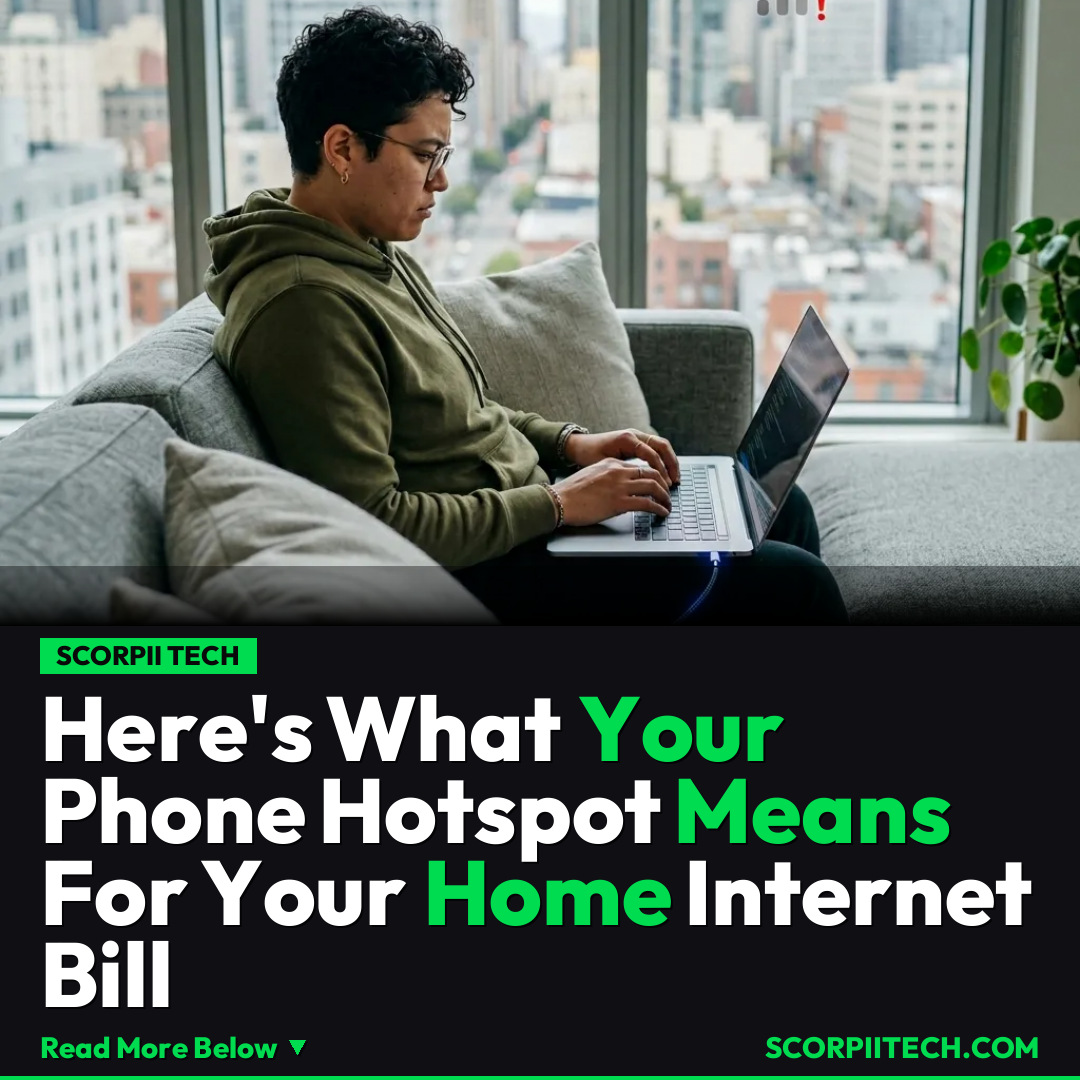
You've likely relied on your phone's mobile hotspot in a pinch, connecting your laptop or tablet. But when you contemplate ditching home internet for it, you're entering a new realm. The core issue? Signal consistency. As key facto emphasizes, "Hotspots rely on a steady signal, and the lower it goes, the worse it'll be." This isn't just about raw speed; it's about the steady reliability needed for everything from smooth 4K streaming to critical video calls.
Need fast, secure, and affordable hosting for your next website or PHP application? We recommend Hostinger Managed Hosting. Get premium speeds, a free domain, and 24/7 expert support.
Major carriers like Verizon impose significant limitations. With Verizon, for instance, you're typically restricted to five connected devices. More critically, you'll encounter tiered data caps, often starting as low as 5GB per month for high-speed hotspot usage before your speeds are drastically throttled. Trying to run a household with multiple users and devices on just 5GB is impractical for most modern internet demands. While USB tethering offers a more direct connection, it won't bypass these strict data restrictions, nor will it solve the coverage issues in rural areas versus major U.S. cities, where 5G or 4G signals can vary wildly. Dedicated 5G or 4G routers, while offering fixed wireless, are distinct from your Android phone's hotspot and come with their own dedicated plans.
Why This Matters
These aren't just technical details; these limitations directly impact your daily digital life. If you're a heavy streamer, gamer, or rely on video conferencing, those low data caps and potential speed throttling mean constant interruptions and frustration. Hitting your 5GB limit just days into the month means a sudden halt to your online activities. Even your smart home devices, which crave consistent connectivity, might struggle to function reliably on an inconsistent hotspot signal.
While you might initially consider this to save money on your home internet bill, the hidden costs can quickly negate any savings. Overage charges, if your plan allows them, can be significantly more expensive than a dedicated internet subscription. More importantly, the impact on your productivity, seamless entertainment, and overall digital experience often outweighs any perceived financial benefit. Your phone's hotspot is a convenient temporary fix, but it's vital to understand its inherent design constraints before relying on it for your primary connection.
The Bottom Line
So, can your phone's hotspot truly replace your home internet? For occasional use, light browsing, or as a short-term backup, absolutely—it's an invaluable temporary tool. However, for a permanent, reliable, and robust solution supporting multiple devices, heavy streaming, or remote work, the answer for most is a resounding 'no.' You'll almost certainly encounter prohibitive data caps, device limits, and inconsistent signals that lead to frustration. Before cutting that home internet cord, carefully weigh your daily usage against these significant technical and carrier-imposed limitations to avoid a connectivity nightmare.
Originally reported by
BGRWhat did you think?

Stay Updated
Get the latest tech news delivered to your reader.