Can A Magic Eraser Actually Remove Scratches From Your Phone's Screen?
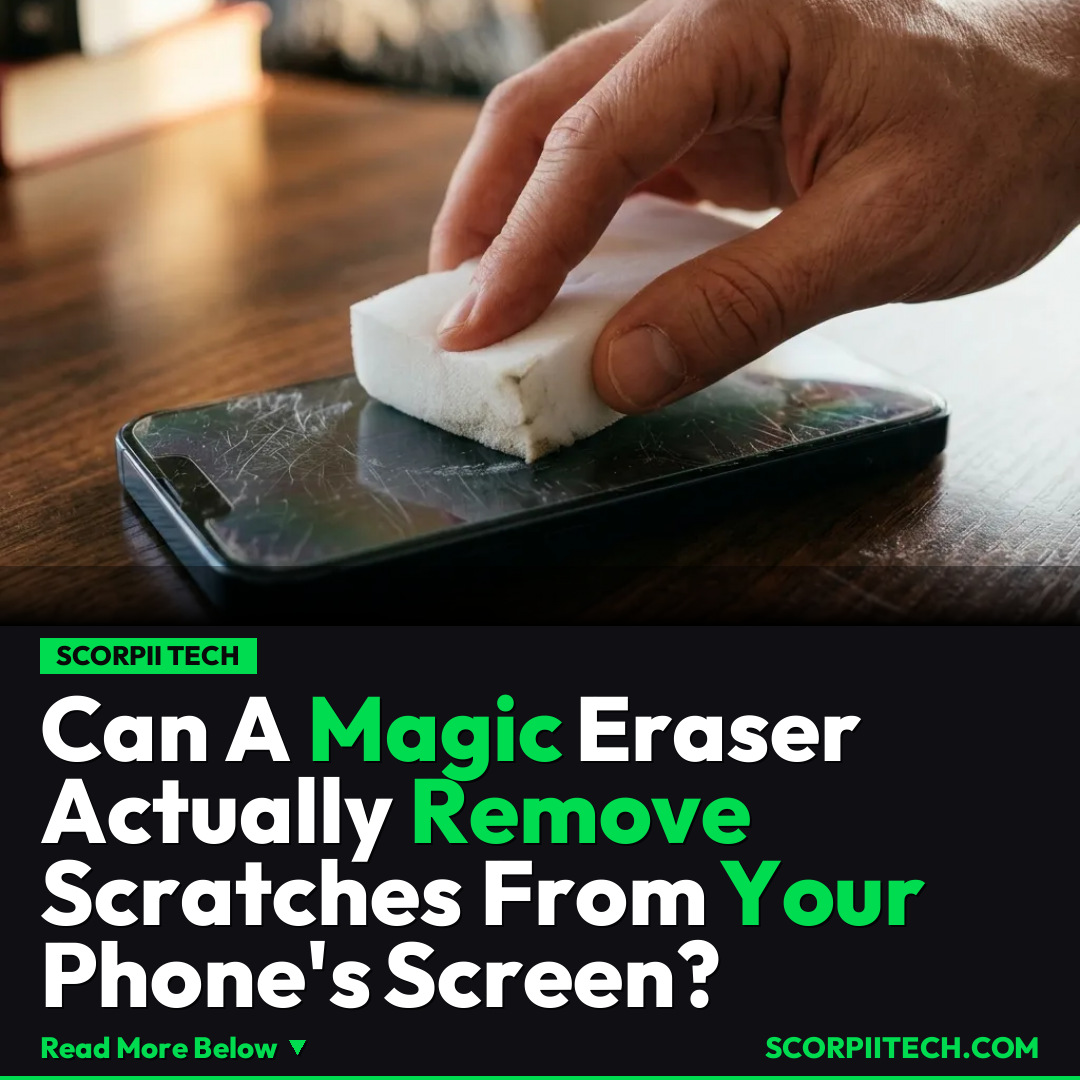
You've heard the viral hack: use a Magic Eraser to fix phone screen scratches. But is this $5.49 trick a genius solution or a risky gamble? We break down the real science and potential dangers for your device.
Editorial Note
Reviewed and analysis by ScoRpii Tech Editorial Team.
In this article
You know the drill. A small ding here, a hairline scratch there—phone screen blemishes are an inevitable badge of honor for most device owners. It's frustrating, and it sends many of us down a rabbit hole of quick fixes. One viral hack, involving a common household item, has promised salvation. But before you grab that Mr. Clean Magic Eraser, you need to hear the full story: this popular tip comes with a major warning label.
Key Details
You've likely seen the buzz, whether on social media or heard it from a friend: the humble Mr. Clean Magic Eraser, a household staple, has been touted as a miracle cure for unsightly phone screen scratches. Outlets as respected as CNet have even echoed this sentiment, boldly claiming that these unassuming white blocks are the "key to screen scratches." Imagine, a simple fix for just $5.49, potentially saving you from a costly screen replacement or the annoyance of a marred display. It sounds almost too good to be true, doesn't it?
Deploy your next full-stack application effortlessly. Get $200 in free DigitalOcean credits to host your Laravel or Python APIs.
At its core, a Magic Eraser is made of melamine foam, a material known for its abrasive properties. It's essentially a superfine sandpaper. The theory goes that this micro-abrasive material gently buffs away the tiny peaks around a scratch, making it less visible. You can find these handy household tools readily available on platforms like Amazon, and they’re famed for tackling tough grime. But here’s where the plot thickens for your beloved device. While effective on many surfaces, applying this abrasive foam to your delicate phone screen brings with it a significant, widely discussed controversy.
The big question you need to ask yourself is: are you willing to risk damaging your expensive phone in pursuit of a scratch-free screen? The controversy isn't just a whisper; it's a loud warning from many tech experts. While a Magic Eraser might appear to lessen a scratch by removing a microscopic layer of your screen's protective coating, this very action can compromise the screen's integrity. You could inadvertently remove vital oleophobic (oil-repellent) coatings, or worse, cause deeper, irreversible damage to the glass itself. It's a gamble that could turn a minor annoyance into a major repair bill.
Why This Matters
For you, your phone isn't just a device; it's your lifeline to the world, your camera, your planner, and often, your entertainment system. A pristine screen isn't merely about aesthetics; it's about preserving functionality and resale value. You rely on its responsiveness and clarity every single day. The allure of a cheap, quick fix for screen scratches is powerful precisely because replacing a screen is costly and inconvenient. This hack taps into a universal desire to protect our significant investment without breaking the bank.
However, this situation highlights a crucial point about viral tech hacks in general. While they often promise ingenious solutions, you need to be wary of advice that hasn't been thoroughly vetted or that could lead to unintended consequences. Just as you wouldn't use kitchen scissors to fix your Xbox, applying an abrasive cleaner designed for household surfaces to your sophisticated smartphone screen requires serious consideration. Your devices are complex pieces of engineering, and treating them with care means understanding their vulnerabilities.
The Bottom Line
So, what should you do when faced with those inevitable phone screen scratches? You might be tempted by the $5.49 Magic Eraser solution, especially with reputable outlets like CNet mentioning its potential. However, the overwhelming consensus is clear: the risk of permanent damage to your screen’s protective layers or even the glass itself far outweighs the perceived benefits. Instead of reaching for the melamine foam, consider a high-quality screen protecto (like a tempered glass screen protector) for future prevention, or consult professional repair services for existing damage. Protecting your tech investment wisely is always the smarter play.
Originally reported by
BGRWhat did you think?



Stay Updated
Get the latest tech news delivered to your reader.