Here's What LinkedIn Says About AI, Your Job, and Future Skills
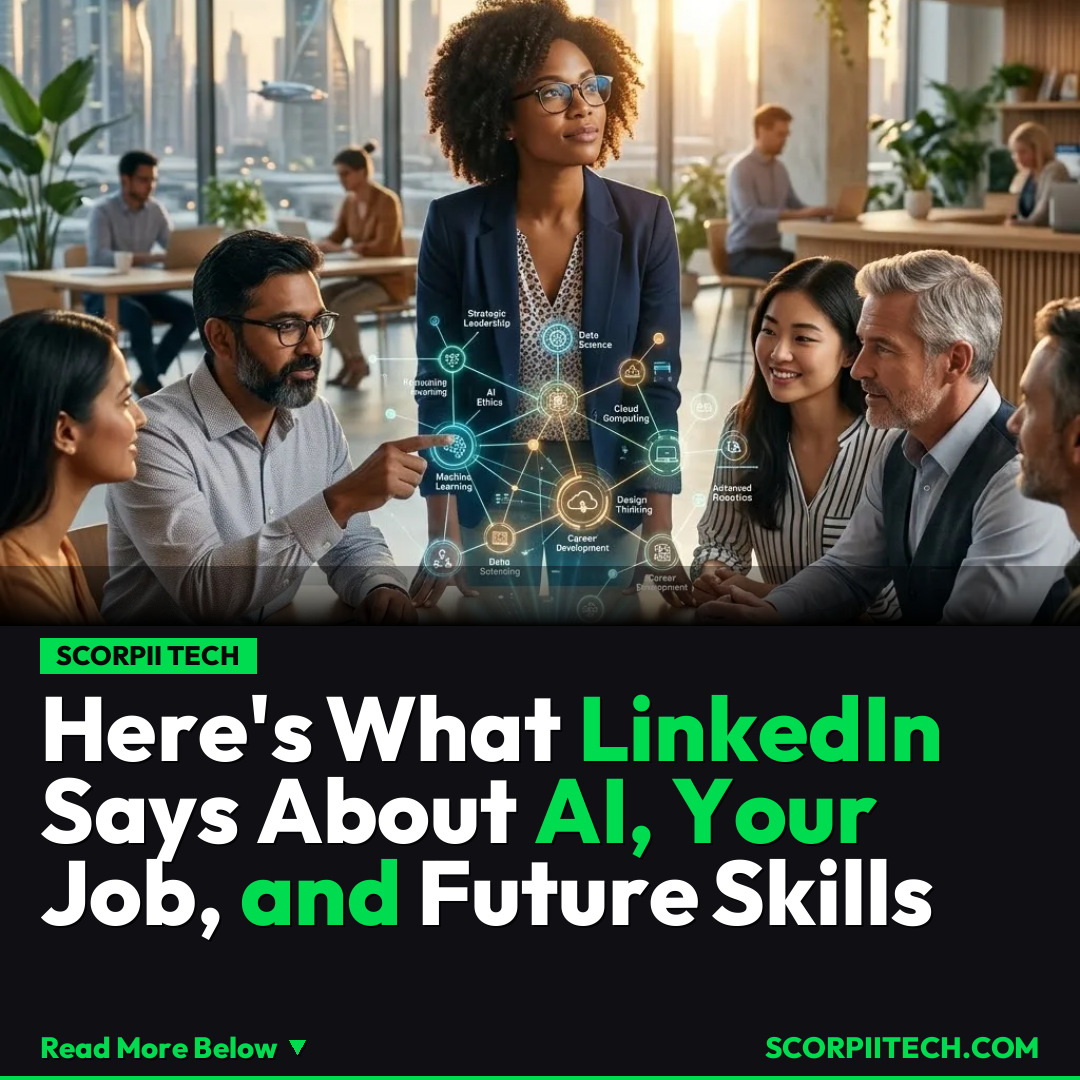
Worried about AI taking your job? LinkedIn's Chief Global Affairs and Legal Officer, Blake Lawit, explains why AI isn't the current culprit for hiring shifts, but your skills are changing fast.
Editorial Note
Reviewed and analysis by ScoRpii Tech Editorial Team.
In this article
You’ve probably heard the chatter, maybe even felt the anxiety: Is artificial intelligence coming for your job? It’s a compelling narrative, especially with talk of hiring slowdowns. But what if the scapegoat you’ve been imagining isn't actually the one responsible for the shifts you're seeing in the job market right now? A recent report by Semafor, citing data from LinkedIn, suggests a different story unfolding.
Key Details
You might be quick to point the finger at AI for any current struggles in the job market or for a perceived hiring decline. However, Blake Lawit, the Chief Global Affairs and Legal Officer at LinkedIn, pushes back directly against this widespread idea. While AI is undeniably transforming industries, LinkedIn's data indicates it isn't the primary driver behind current hiring challenges. In his words, "So, even if you’re not changing jobs, your job’s changing on you," highlighting a more fundamental and long-term transformation at play within the workforce.
Deploy your next full-stack application effortlessly. Get $200 in free DigitalOcean credits to host your Laravel or Python APIs.
The real story, according to insights shared by LinkedIn, a Microsoft company, and reported by Semafor, is about a massive and accelerating evolution of skills. You might not realize just how rapidly the landscape of required expertise is shifting. Over the last several years, the skills needed for the average job have already changed by a significant 25%. This isn't a minor tweak; it’s a substantial overhaul, indicating that what made you highly qualified yesterday might not be enough to keep you competitive tomorrow.
This trend isn't slowing down; in fact, it's projected to intensify dramatically. Experts anticipate that by the year 2030, an astonishing 70% of the skills required for an average job will have changed. Think about that for a moment: seven out of every ten core competencies you currently rely on could be different in just a few short years. This isn't about AI taking roles; it's about the very definition of those roles evolving, making continuous learning not just an advantage, but a necessity for your career longevity.
Why This Matters
This shift matters profoundly for you, whether you’re actively seeking new opportunities or comfortably settled in your current role. If you've been feeling a disconnect between your current skill set and the requirements you're seeing in job descriptions, or if your workplace feels like it's demanding new proficiencies constantly, Lawit’s insights explain why. Your job is morphing beneath your feet, demanding new capabilities that might not have even existed a few years ago. This isn't just a corporate talking point; it's a real-world challenge that impacts your employability and career trajectory.
Understanding this distinction — that skill evolution, rather than just AI, is the primary force at work — empowers you. It shifts your focus from fearing automation to actively investing in your personal and professional development. Your ability to adapt, learn new tools, and cultivate emerging skills will be your greatest asset in the coming years. Ignoring this trend could leave you behind, as companies, including giants like Microsoft and their subsidiary LinkedIn, are increasingly prioritizing candidates who demonstrate agility and a commitment to lifelong learning.
The Bottom Line
So, what’s your takeaway from this? Don't let the noise about AI cloud your judgment. Instead of fearing AI as a job-stealer, recognize it as a catalyst for change that redefines what skills are valuable. Your actionable next step is clear: identify the emerging skills in your industry and start developing them now. Utilize platforms like LinkedIn to track trends, take online courses, or seek out projects that challenge you to grow. The future of your career isn't about whether AI exists; it's about your proactive embrace of continuous skill development to stay relevant and thrive in an ever-changing professional landscape.
Originally reported by
TechCrunchWhat did you think?



Stay Updated
Get the latest tech news delivered to your reader.