Here's What Incognito Mode Really Means For Your Online Privacy
You think incognito mode keeps you private online? Discover the critical differences between incognito mode and a VPN for your true online privacy.
Editorial Note
Reviewed and analysis by ScoRpii Tech Editorial Team.
In this article
You probably use incognito mode regularly, whether you're browsing for a surprise gift or just trying to avoid targeted ads. Almost every browser these days, from Google Chrome to Microsoft Edge and Mozilla Firefox, comes with some form of private browsing. But here’s the crucial question: does hitting that "New Incognito Window" button truly make you invisible online? You might be surprised to learn that for serious online privacy, the answer is a plain "No."
Key Details
Let's clear up some common misconceptions you might have. When you activate incognito mode in your preferred browser, it primarily focuses on local privacy. What does that mean for you? It simply ensures that your browsing history, cookies, and cached data are automatically cleared the moment you close all your incognito windows. This is incredibly useful if you're sharing a computer or just want to keep your local browsing habits to yourself. However, and this is where many users get confused, incognito mode doesn't hide your online activity from your internet service provider (ISP), the websites you visit, or your employer.
Need fast, secure, and affordable hosting for your next website or PHP application? We recommend Hostinger Managed Hosting. Get premium speeds, a free domain, and 24/7 expert support.
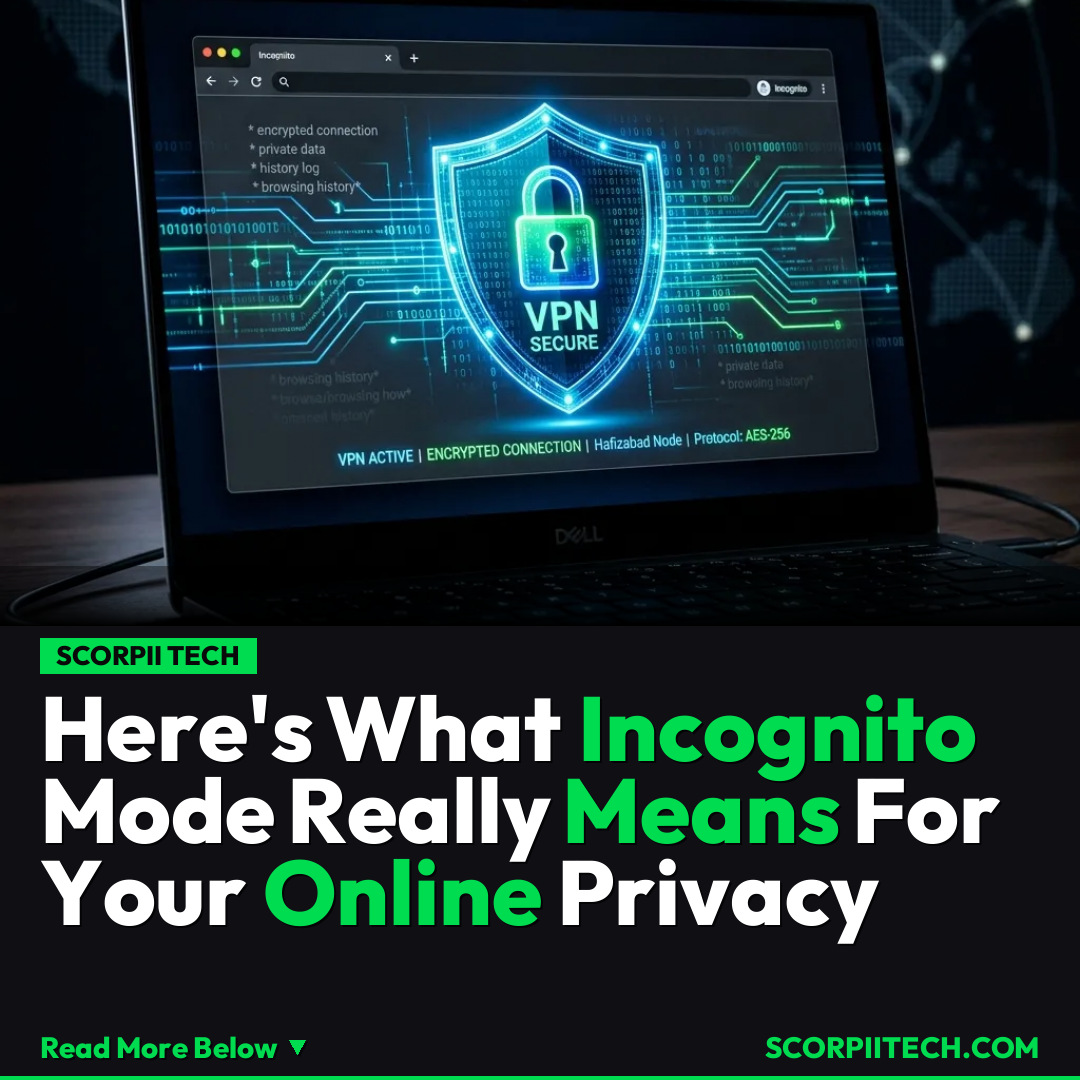
This is where the conversation shifts dramatically to a Virtual Private Network, or VPN. You've heard about the rise of VPNs, and for good reason. A VPN operates on an entirely different level, designed to offer you a far more robust layer of online privacy and security. Instead of just managing your local browser data, a VPN encrypts all your internet traffic. Think of it like a secure, private tunnel for everything you send and receive online. Crucially, it also masks your actual IP address by routing your connection through a server in a different location, making it much harder for websites and third parties to track your real geographical location and identity.
The core differences between VPN and incognito mode are stark. Incognito mode is a local tool for convenience and basic shared-device privacy, ensuring your spouse doesn't see your search for 'best dog toys' or that your login credentials aren't saved on a public computer. A VPN, conversely, is an online privacy and security tool that protects your data in transit and obscures your identity from the internet itself. Asking which is better for your online privacy isn't really the right question; it’s about understanding their distinct functions and when to deploy each for your specific needs.
Why This Matters
Understanding the fundamental distinction between incognito mode and a VPN is more critical than you might think for your digital life. In an age where your online activity is constantly scrutinized and data breaches are a regular headline, being informed about your tools is your first line of defense. Relying solely on incognito mode for privacy can give you a false sense of security, leading you to share information or engage in activities you wouldn't otherwise, mistakenly believing you're anonymous. This misunderstanding can leave your personal data, browsing habits, and even your location exposed to entities you thought you were hiding from.
For you, this means making an informed choice. If your goal is simply to prevent your browser from saving local history or cookies for a single session – perhaps when booking flights to avoid price discrimination or accessing your email on a friend's device – incognito mode is perfectly adequate. However, if you're concerned about your online anonymity, protecting your data from surveillance, or securing your connection on public Wi-Fi, then a VPN is an essential tool. It’s not about choosing one over the other; it’s about recognizing their unique strengths and weaknesses to build a comprehensive personal privacy strategy that truly works for you.
The Bottom Line
So, what should you do with this information? Don't confuse local browser cleanliness with true online anonymity. You now know that while incognito mode offers a convenient way to manage your immediate browsing footprint, it's no match for the robust encryption and IP masking capabilities of a VPN. For genuine online privacy, especially when dealing with sensitive information or navigating unsecured networks, you need to use a VPN. Think of incognito mode as tidying up your desk after work, while a VPN is building a soundproof, locked office around it. Use incognito for local tidiness, but rely on a VPN when your actual online privacy and security are on the line.
Originally reported by
BGRWhat did you think?



Stay Updated
Get the latest tech news delivered to your reader.