Here's What Can Happen If You Plug A Power Strip Into A Smart Plug
Thinking about connecting a power strip to your smart plug? Discover why experts strongly advise against it due to potential fire hazards and overloading risks. Protect your home and devices by understanding smart plug safety.
Editorial Note
Reviewed and analysis by ScoRpii Tech Editorial Team.
In this article
If you've been thinking about connecting a power strip to one of your web-connected smart plugs, you may want to reconsider. It might seem like a clever way to expand your smart home capabilities, but this seemingly innocent setup can actually hide a significant risk. Experts are now warning against this common practice, highlighting a critical safety concern that could impact your home.
Key Details
The core issue revolves around the fundamental electrical limits of your smart plugs. While convenient for controlling individual devices or groups of low-power items, smart plugs are designed with a specific maximum load capacity, measured in amperage. This rating indicates the total electrical current the device can safely handle. When you plug a power strip into a smart plug, you're not just plugging in one device; you're creating a gateway for potentially multiple devices to draw power through that single smart plug.
Deploy your next full-stack application effortlessly. Get $200 in free DigitalOcean credits to host your Laravel or Python APIs.
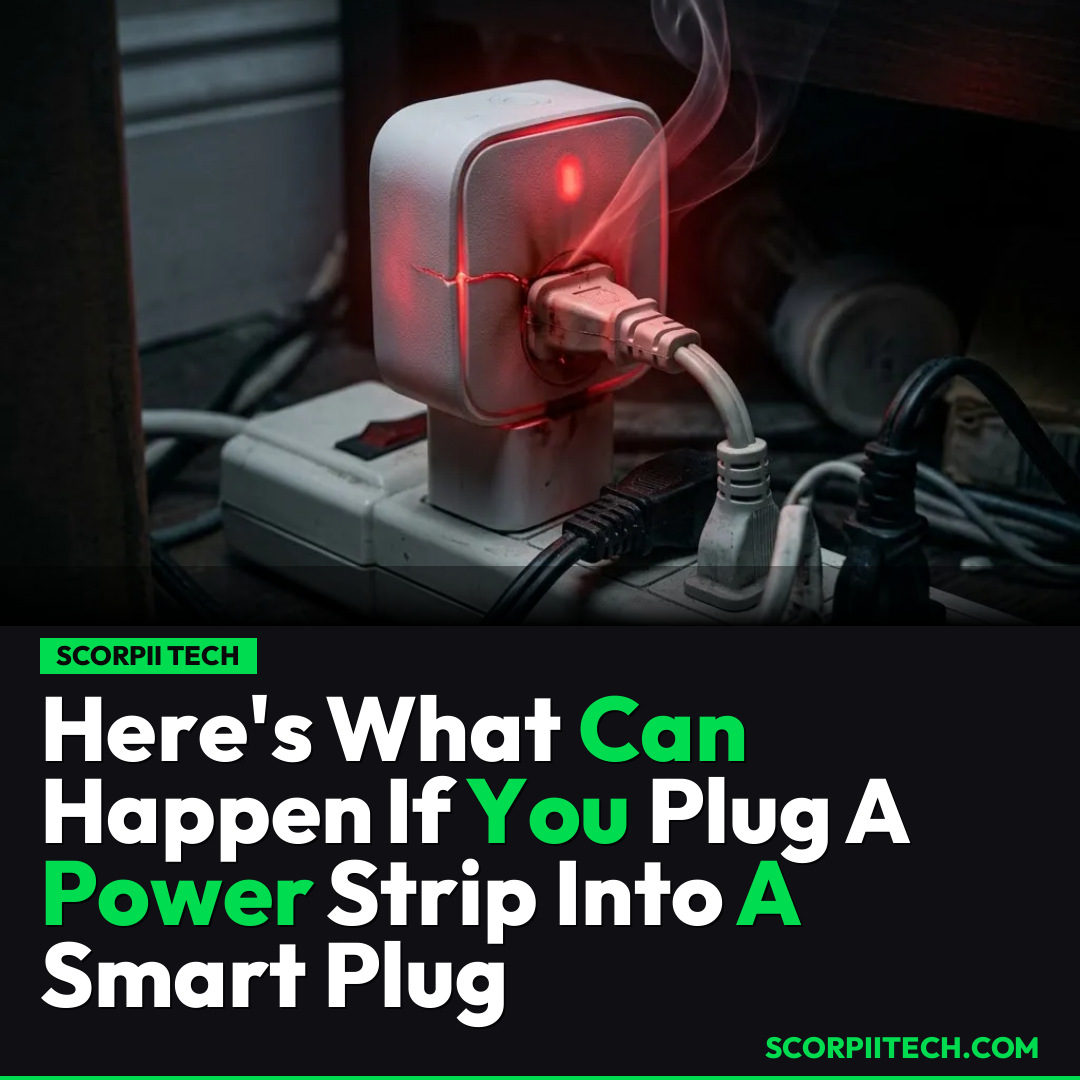
This creates an immediate risk of overloading your smart plug. Imagine you have a smart plug rated for 15 amps. If you then connect a power strip to it and plug in several high-wattage items like a space heater, a high-end gaming PC, or even multiple charging bricks simultaneously, the combined amperage draw can quickly exceed the smart plug's safe limit. This isn't just hypothetical; discussions on platforms like Reddit frequently surface concerns and warnings about this exact scenario, often involving popular brands such as TP-Link, Kasa, and Govee.
The experts are unequivocal on this. When asked about this configuration, a representative from an unnamed source (echoing the sentiment of organizations like TP-Link on safety recommendations) stated directly, "we 100% do not recommend doing so." This strong warning isn't to scare you, but to highlight a genuine potential fire hazard. Overloaded circuits and devices can overheat, melt insulation, and ignite nearby flammable materials, leading to serious consequences for your home and safety.
Why This Matters
You might be wondering why this practice, which seems so straightforward, carries such a significant risk. Modern homes are filled with smart devices, and the desire to automate and control everything from your phone is completely understandable. Smart plugs offer incredible convenience, allowing you to manage lights, appliances, and chargers remotely or via voice commands. However, this convenience can lead to complacency about basic electrical safety principles. Many users assume that if a plug fits, it's safe to use, without considering the underlying electrical engineering.
This situation matters because it directly impacts your safety and the longevity of your smart home investments. Ignoring maximum load capacities not only puts your home at risk of an electrical fire but can also damage your expensive smart plugs and the devices connected to them. While smart plugs from reputable brands like TP-Link often include safety features, they are designed to prevent issues under normal, intended use – not to mitigate the risks of severe overloading through improper setup. Understanding these limitations is crucial for truly safe and smart living.
The Bottom Line
So, what's the takeaway here? Simply put, do not plug a power strip into a smart plug. Instead, if you need more outlets or want to smart-enable multiple devices, invest in a dedicated smart power strip. These devices are specifically engineered with the appropriate internal circuitry and safety mechanisms to handle multiple loads, often with individual smart control over each outlet. Always check the amperage and maximum load capacity ratings on all your electrical devices, and prioritize safety over convenience. Your smart home should make life easier and safer, not introduce hidden dangers.
Originally reported by
BGRWhat did you think?

Stay Updated
Get the latest tech news delivered to your reader.