Is Your E-Reader Secretly Saving Your Eyes?
Curious if your e-reader is genuinely better for your eye health than a tablet? You'll want to read this deep dive into e-ink technology, blue light, and screen time impact to make smarter choices.
Editorial Note
Reviewed and analysis by ScoRpii Tech Editorial Team.
In this article
You probably picked up an e-reader like a Kindle for the convenience, maybe even the cost savings. Ironically, however, many people have switched to reading e-books on these devices, often without fully realizing they might be making a significantly healthier choice for their eyes. In an age dominated by glowing screens, the debate around e-readers vs. tablets and their impact on your vision is more crucial than ever.
Key Details
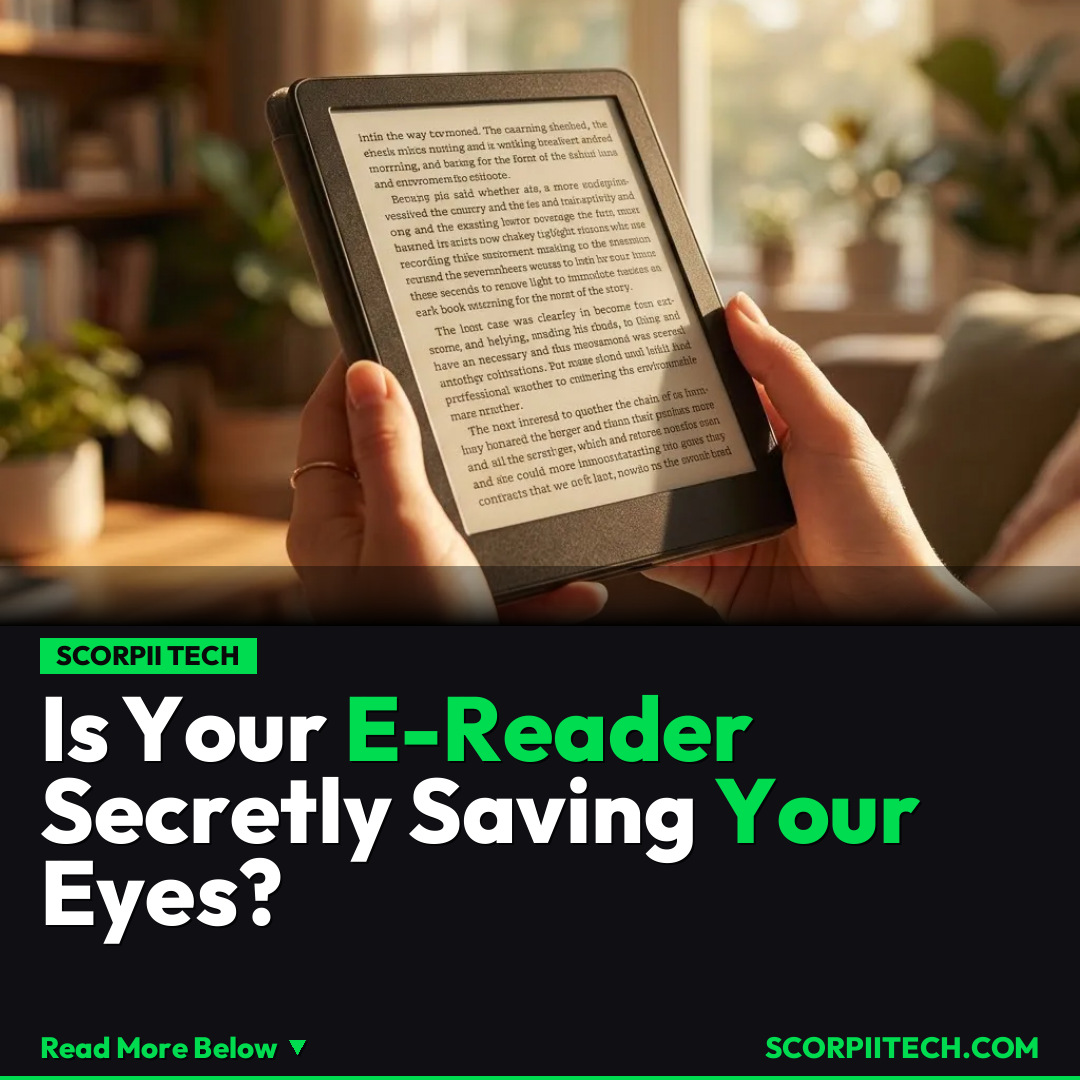
The core of the "e-readers vs. tablets eye health" debate boils down to fundamental display technology. While your tablet, smartphone, and computer all use backlit LCD or OLED screens that emit a spectrum of light, including the notorious blue light, e-readers like Amazon's Kindle employ something called e-ink technology. This isn't just a fancy name; it mimics the appearance of ink on paper, reflecting ambient light rather than generating its own.
Need fast, secure, and affordable hosting for your next website or PHP application? We recommend Hostinger Managed Hosting. Get premium speeds, a free domain, and 24/7 expert support.
What does this mean for your eyes? For starters, e-ink displays are glare-free, which significantly reduces eye strain, especially when reading for extended periods or in bright environments. Think about trying to read a tablet screen outside in direct sunlight – nearly impossible without squinting. An e-reader, however, thrives in such conditions, offering a comfortable, paper-like experience. Furthermore, because e-ink screens are grayscale and don't emit blue light, you're spared from one of the primary culprits implicated in sleep disruption and potential long-term retinal damage associated with excessive screen time.
Leading institutions like the Harvard School of Public Health have highlighted the growing concern over the impact of screen time on eye health. While our digital lives demand screen interaction, understanding the specific types of screens we use for different activities can make a profound difference. The controversy surrounding blue light and its effect on our circadian rhythms and eye fatigue continues to be a hot topic, making the design choices of devices like the Kindle particularly relevant.
Why This Matters
So, why should you, the tech-savvy reader, truly care about this distinction? In an era where digital consumption is rampant, the choice between an e-reader and a tablet for reading isn't just about convenience or app access – it's a decision with tangible implications for your personal well-being. Prolonged exposure to blue light from tablets, especially in the evening, has been linked to disrupting melatonin production, making it harder for you to fall asleep. This can cascade into a host of health issues, from chronic fatigue to reduced cognitive function.
For avid readers, students, or anyone who spends hours consuming text digitally, investing in a device specifically designed with eye health in mind, like a Kindle, isn't a luxury; it's a preventative measure. You're not just buying a gadget; you're actively mitigating some of the potential negative side effects of our digital-first world. This understanding empowers you to make smarter choices about your screen time, ensuring your pursuit of knowledge or entertainment doesn't come at the expense of your vision or sleep quality.
The Bottom Line
When you're weighing your options for your next digital read, consider more than just processor speed or app availability. For optimal eye health and better sleep, especially if you read before bed, an e-reader with e-ink technology offers a distinct advantage over tablets. You're making a conscious choice to reduce blue light exposure and glare, giving your eyes a much-needed break from the constant assault of vibrant, backlit screens. Choose wisely, and your eyes will thank you.
Originally reported by
BGRWhat did you think?


Stay Updated
Get the latest tech news delivered to your reader.