Your Dallas Commute Could Change Forever With Elon Musk's Tunnels
Elon Musk's The Boring Company is eyeing Dallas for a high-speed underground tunnel system. Discover how this project could impact your daily travel and what to expect.
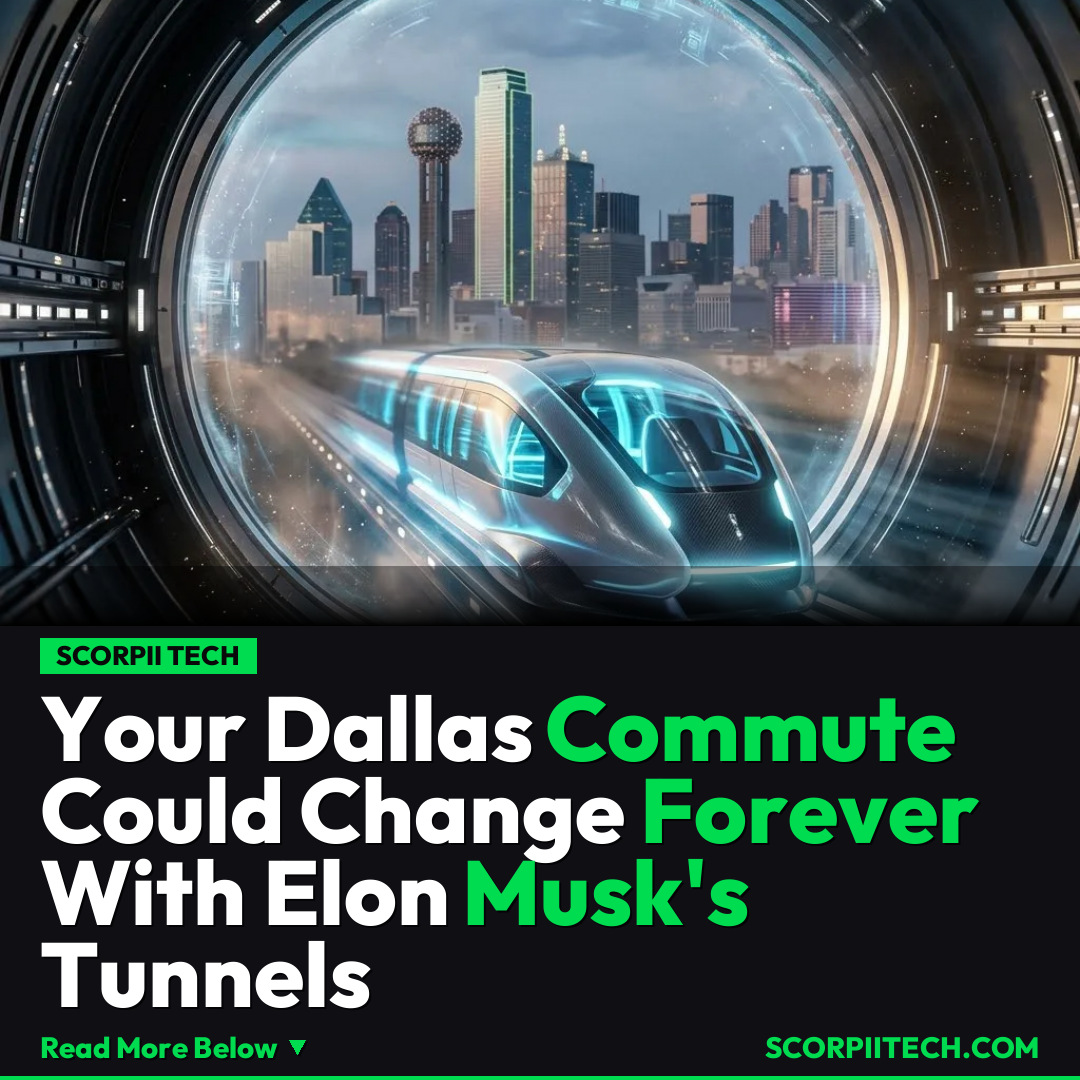
Editorial Note
Reviewed and analysis by ScoRpii Tech Editorial Team.
In this article
Imagine your daily commute in Dallas transforming from a bumper-to-bumper crawl to a swift, subterranean glide. Elon Musk, through his brainchild The Boring Company, is setting his sights on your city, proposing a revolutionary underground tunnel transportation system. This isn't just about faster travel; it's about reimagining urban mobility and literally digging into the future.
Key Details
You might be wondering, what exactly does this mean for your daily grind? The Boring Company, founded by Elon Musk, envisions a high-tech underground tunnel transportation system specifically designed for Dallas, Texas. This isn't your average subway; we're talking about a single-route tunnel engineered for efficiency, meaning no other lanes or traffic hazards to slow you down. You'll be zipping through the underground at speeds exceeding 100 miles per hour, capable of handling a significant number of passengers.
Need fast, secure, and affordable hosting for your next website or PHP application? We recommend Hostinger Managed Hosting. Get premium speeds, a free domain, and 24/7 expert support.
What's truly remarkable is The Boring Company's ambitious construction timeline. They boast the capability to create a mile of underground tunnels within just a week, potentially fast-tracking Dallas's urban transformation. This proposed system aims to connect key entities like the University of North Texas at Dallas to the bustling University Hills area, dramatically cutting travel times across the city. You've seen similar innovative approaches from The Boring Company in places like Las Vegas, Nashville, and even Dubai, demonstrating the real-world application of these concepts.
However, when considering underground infrastructure, it’s only natural to recall past challenges. The specter of incidents like the 1999 Mont Blanc tunnel fire disaster in France, which tragically resulted in 39 deaths, highlights the critical importance of safety and emergency protocols in such projects. This historical event profoundly shaped how emergency situations are now handled in underground tunnels globally, a crucial lesson for any new development.
Why This Matters
Why should you care about tunnels beneath your feet? For one, this project could fundamentally reshape your relationship with traffic. Imagine reclaiming hours currently lost to gridlock, freeing up your time for work, family, or leisure. Beyond personal convenience, a rapid transit system could spur economic growth in targeted areas, linking educational hubs like the University of North Texas at Dallas more seamlessly with residential and commercial zones, potentially increasing property values and local commerce.
Furthermore, the discussion around underground tunnels inevitably brings up safety concerns. You're right to think about the lessons learned from past tragedies. The 1999 Mont Blanc tunnel fire was a stark reminder of the unique challenges in subterranean environments. This historical context means that any modern underground transportation system, especially one operating at high speeds, must prioritize advanced safety measures, robust emergency response protocols, and cutting-edge ventilation systems. You'd want to know that the tragic lessons of the past have paved the way for a safer future, wouldn't you?
The Bottom Line
So, what's your takeaway from Musk's Dallas tunnel vision? You're looking at a potential revolution in urban transportation, one that promises speed and efficiency previously unheard of in your daily commute. While the allure of zipping under traffic is strong, it's also a reminder that innovation comes with a responsibility to prioritize safety and learn from history. Keep an eye on developments in Dallas – this project could very well define the next era of city travel, impacting how you move and live in urban environments. Your future commute might just involve going down, not just across.
Originally reported by
BGRWhat did you think?



Stay Updated
Get the latest tech news delivered to your reader.