Your Mac App Blocked: Is Apple's App Store Policy Stifling Innovation?
Discover why Apple blocked updates for the popular Mac app, AppGrid, for looking too much like the defunct Launchpad. Understand what this means for your favorite Mac apps and future updates.
Editorial Note
Reviewed and analysis by ScoRpii Tech Editorial Team.
In this article
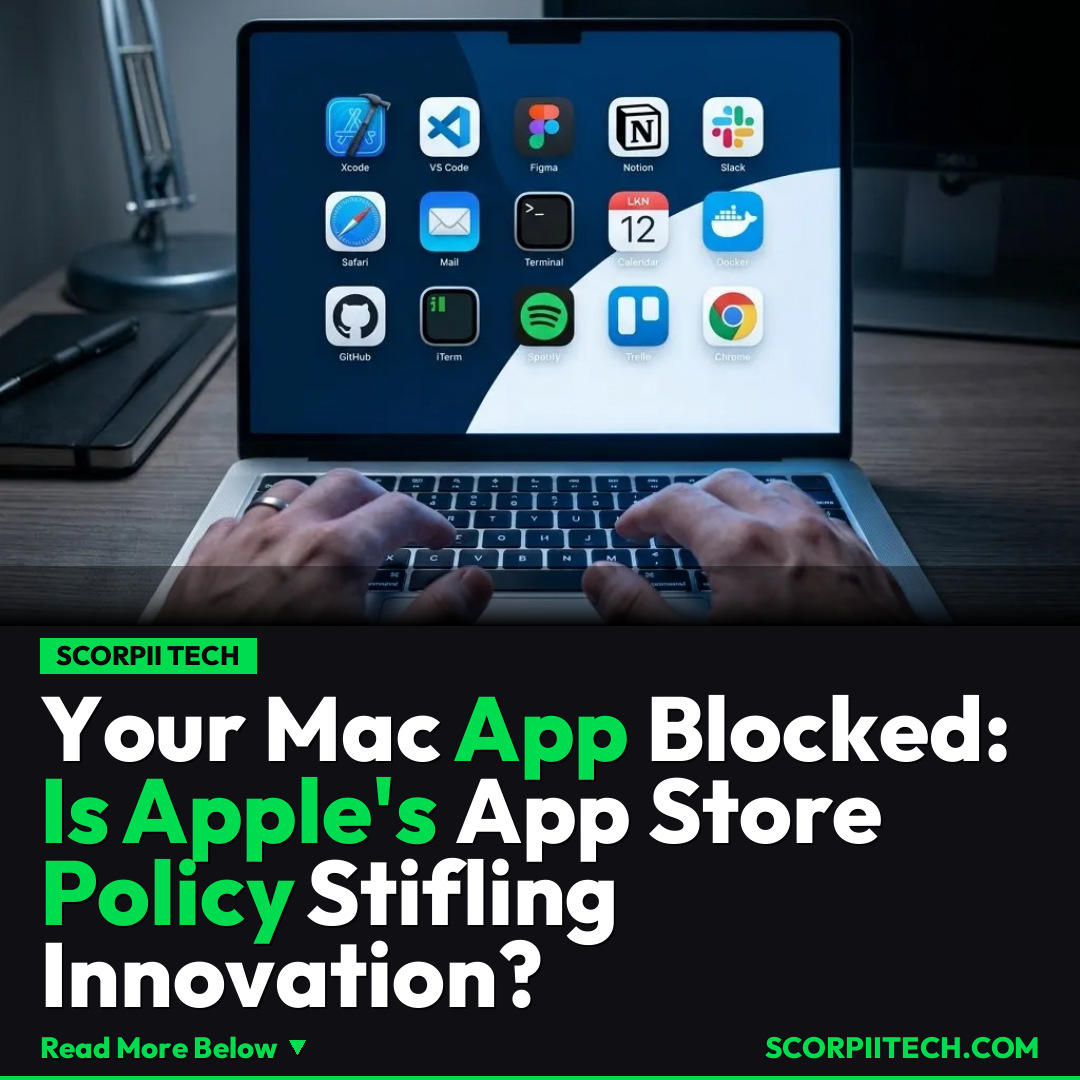
If you're a long-time Mac user, you might still remember the convenience of Launchpad, a feature many of you sorely missed after its removal. Imagine finding a perfect replacement for that functionality, only for its updates to be blocked. That's exactly what happened to AppGrid, a popular Mac app aiming to fill that Launchpad-shaped void for users on systems like macOS Tahoe, when Apple stepped in.
Key Details
Attila Miklósi, the developer behind AppGrid, recently confirmed that Apple has blocked updates for his Mac app in the App Store. The reason? According to Miklósi, Apple stated that AppGrid’s interface too closely resembled Launchpad, a feature that was originally introduced with Mac OS X Lion way back in July 2011. While Launchpad was eventually removed from macOS, its absence has been a consistent point of contention and unhappiness for many Mac users.
Need fast, secure, and affordable hosting for your next website or PHP application? We recommend Hostinger Managed Hosting. Get premium speeds, a free domain, and 24/7 expert support.
The irony is palpable: a third-party developer steps up to provide a feature that Apple itself deprecated, only to be told it’s too good at replicating the original. Miklósi explicitly quoted Apple’s position, stating, “Apple shared that they would accept updates if AppGrid looked less like Launchpad did when it existed.” This means a path forward exists for AppGrid, but it requires a significant redesign to distance itself visually from a beloved, albeit defunct, Apple feature.
AppGrid, which offers a Pro version, has been a viable alternative for users seeking the organized application launch grid that Launchpad once provided. The blockage impacts its ability to deliver crucial updates, especially for users running the latest operating systems like macOS Tahoe, which was released last September. This situation puts developers like Miklósi in a difficult position, forcing them to choose between meeting user demand for a familiar interface and complying with Apple's specific, and in this case, somewhat anachronistic, guidelines.
Why This Matters
This incident isn't just about one app; it highlights the often-complex relationship between Apple and third-party developers, and by extension, you, the end-user. Apple's App Store policies are designed to maintain a consistent user experience and ensure quality, but when those policies seemingly penalize an app for effectively replacing a feature Apple itself chose to remove, it raises questions about consistency and user choice. You might be left wondering why a company would discourage innovation that caters directly to a known user need.
For developers, this presents a challenging precedent. It suggests that even if you create an app that perfectly fills a gap left by Apple, you risk being blocked if your solution too closely reminds users of what they lost. This kind of restriction can stifle creativity and make it harder for small developers to compete or even survive within the App Store ecosystem. Ultimately, it’s you, the Mac user, who might miss out on innovative tools because developers are forced to navigate a labyrinth of potentially subjective guidelines.
The Bottom Line
What does this mean for you? If you’re a Mac user who relied on AppGrid or were looking for a Launchpad alternative, this news serves as a stark reminder of the power Apple wields over the software available on its platform. It reinforces the need to stay informed about developer policy changes and to support independent developers who strive to enhance your Mac experience. Keep an eye out for how AppGrid adapts, or for other solutions that might emerge, understanding that the future of your favorite niche apps often hinges on the interpretations of a corporate giant. Your choices, and the availability of innovative tools, are directly impacted by these decisions.
Originally reported by
MashableWhat did you think?



Stay Updated
Get the latest tech news delivered to your reader.