Here's What Amazon's Fuel Surcharge Means For Your Wallet
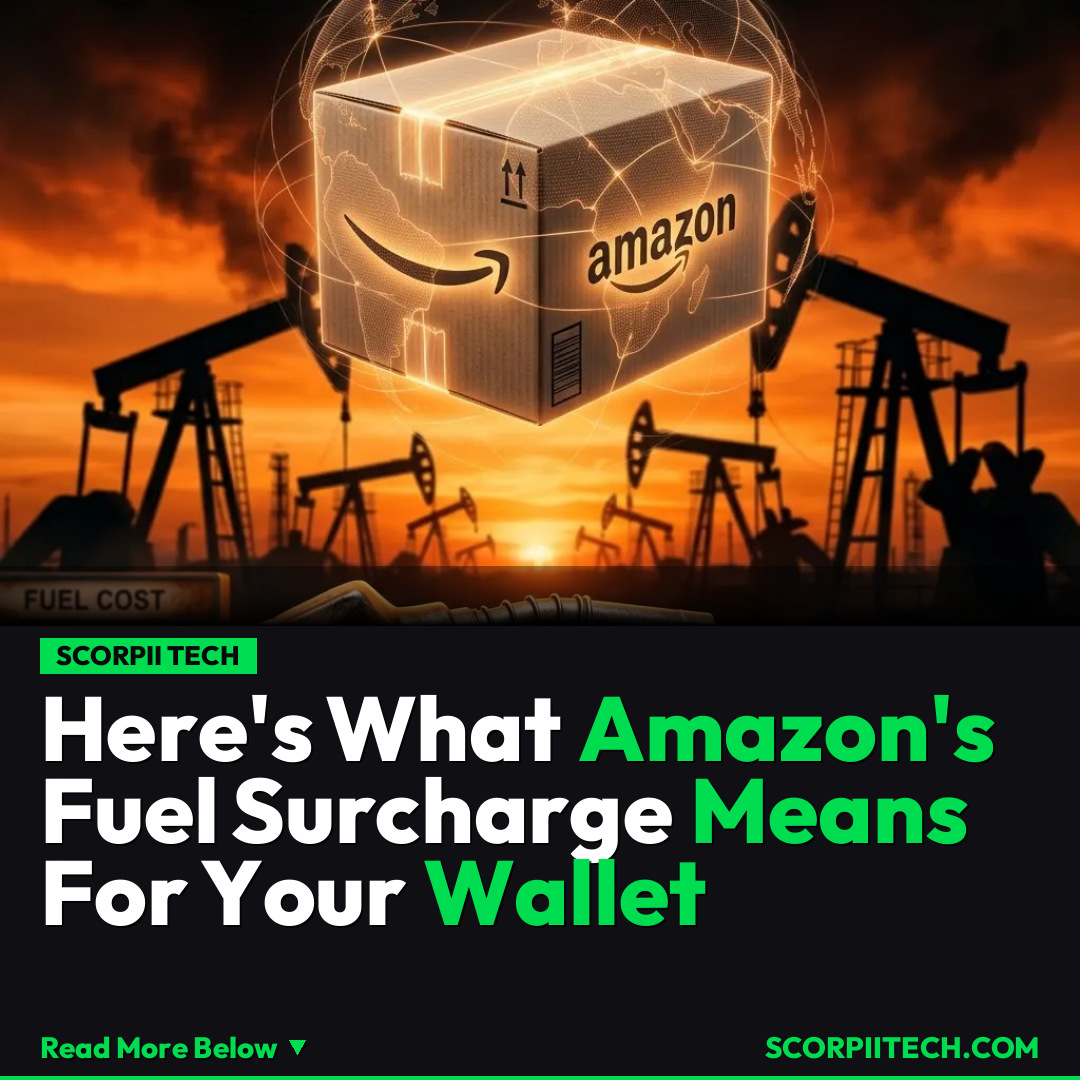
Amazon is implementing a new 3.5% fuel surcharge for sellers, directly tied to the escalating war in Iran. Discover how this could impact your online shopping.
Editorial Note
Reviewed and analysis by ScoRpii Tech Editorial Team.
In this article
You've probably noticed the surge at the gas pump, a direct ripple effect from geopolitical tensions. Now, those same global energy market tremors are reaching your favorite online retailer. Amazon, the titan of e-commerce, is implementing a significant new 'fuel surcharge' on its sellers, a move directly attributed to the escalating war in Iran.
Key Details
Get ready for a new line item in the digital ledger: Amazon is instituting a 3.5% fuel and inflation surcharge on Fulfillment by Amazon (FBA) sellers, effective April 17. This isn't a minor tweak; it's a direct response to the turbulent global energy markets. The war in Iran has severely hammered global oil markets, leading to significant spikes in U.S. gas prices, and Amazon explicitly links this surcharge to these elevated costs.
Need fast, secure, and affordable hosting for your next website or PHP application? We recommend Hostinger Managed Hosting. Get premium speeds, a free domain, and 24/7 expert support.
As reported by TechCrunch and Bloomberg, Amazon acknowledged that "We have absorbed these increases so far, but similar to other major carriers, when costs remain elevated we implement temporary surcharges to partially recover these costs." This statement highlights that Amazon, much like other major shipping companies, can no longer shoulder these rising operational expenses alone. The ongoing conflicts in regions like Ukraine and Russia, coupled with broader instability involving Israel and critical chokepoints like the Strait of Hormuz, all contribute to a sustained environment of higher fuel prices impacting global logistics.
Why This Matters
You might be thinking, "What does a surcharge on sellers mean for me?" Well, when Fulfillment by Amazon sellers face increased operational costs, those costs often find their way down the supply chain to you, the consumer. Whether through slightly higher product prices, altered shipping fees, or adjusted promotional strategies, you could see the impact of this 3.5% surcharge reflected in your next Amazon purchase. This isn't just about Amazon's bottom line; it's about the economic pressure points impacting countless small businesses and individual entrepreneurs who rely on the platform.
This development is a stark reminder of how deeply interconnected our world truly is. A conflict thousands of miles away can directly influence the cost of your everyday essentials and luxuries ordered online. It underscores the fragility of global supply chains and the immediate economic consequences of geopolitical events. When global energy markets are roiled, everything from your commute to your online shopping cart feels the tremor. Keeping an eye on these global movements isn't just for economists; it's increasingly vital for your household budget, especially as you navigate an online shopping landscape shaped by global forces.
The Bottom Line
As Amazon rolls out this new fuel surcharge, it's wise to remain aware of potential price adjustments as you browse your favorite online storefronts. Understand that the cost of convenience is constantly evolving, influenced by factors far beyond a product's initial price tag. Look for announcements from your preferred sellers regarding their pricing strategies, and consider the broader implications of global energy stability on your personal spending. In an increasingly unpredictable world, staying informed about these macro-economic shifts is your best defense against unexpected impacts on your wallet and your online shopping habits.
Originally reported by
TechCrunchWhat did you think?



Stay Updated
Get the latest tech news delivered to your reader.