Your Wi-Fi Signal Is Weak? The Unexpected Foil Fix
You've heard the old trick, but can aluminum foil *really* boost your Wi-Fi? Dartmouth College research reveals how a simple, 3D-printed reflector can improve your signal significantly.
Editorial Note
Reviewed and analysis by ScoRpii Tech Editorial Team.
In this article
You might remember older generations meticulously adjusting TV antennas, often with a piece of aluminum foil taped behind them to grab a clearer signal. For years, many dismissed this as an urban myth, especially when applied to modern Wi-Fi routers. But what if we told you that this seemingly archaic trick isn't just real, but scientifically proven to improve your wireless network?
Key Details
The long-standing debate over whether aluminum foil can actually boost your Wi-Fi signal has finally been settled by groundbreaking research from Dartmouth College’s Department of Computer Science. They've definitively shown that, far from being an old wives' tale, strategic use of aluminum foil can indeed make a substantial difference to your home or office Wi-Fi performance. This isn't about haphazardly taping foil to your router, though; it's about intelligent design and placement.
Need fast, secure, and affordable hosting for your next website or PHP application? We recommend Hostinger Managed Hosting. Get premium speeds, a free domain, and 24/7 expert support.
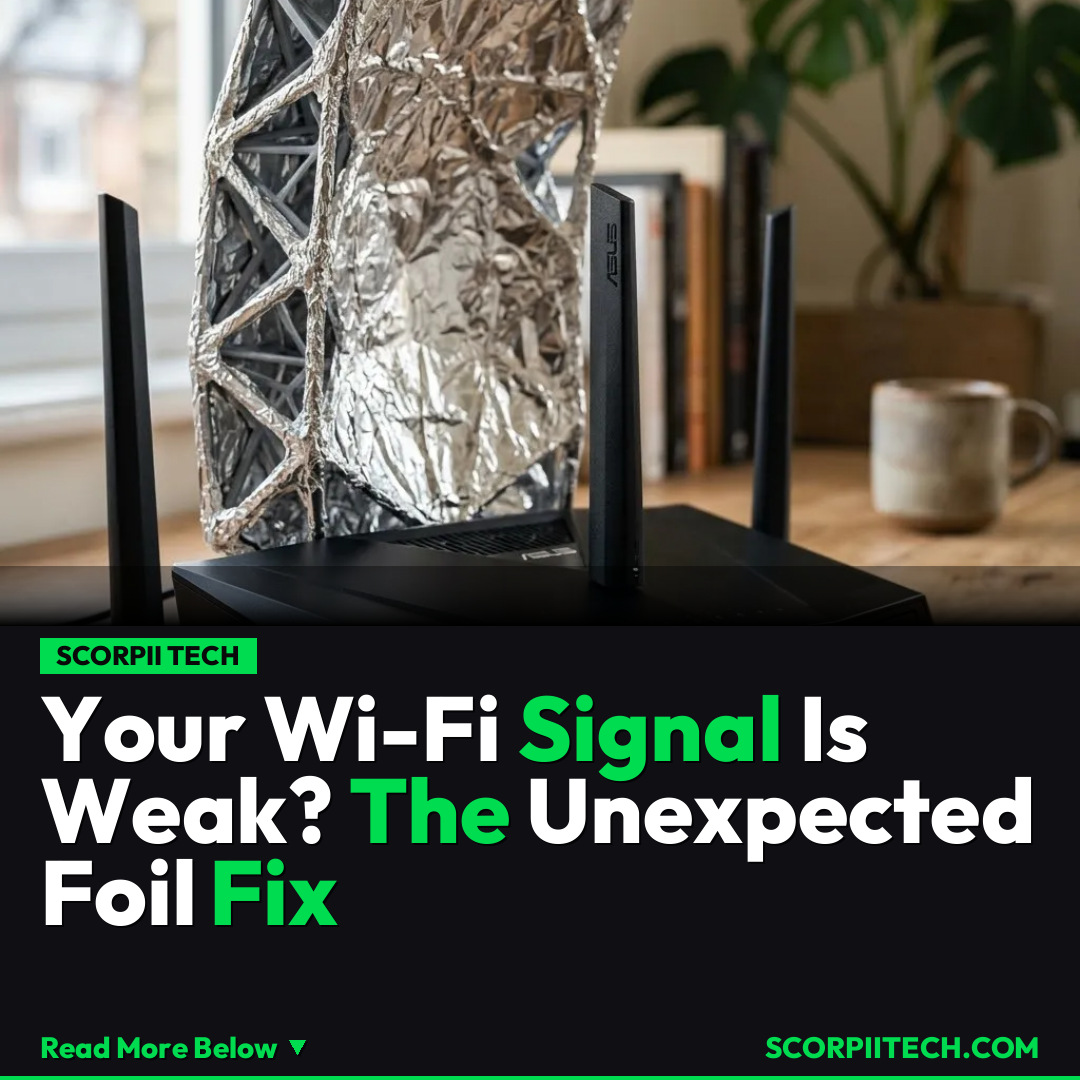
Researchers at Dartmouth College developed a precise method to achieve this boost. Utilizing a 3D printer, they created custom “optimized reflecto” shapes out of PLA material. These shapes were then meticulously covered with aluminum foil, effectively creating directional reflectors. The beauty of this approach lies in its precision; these reflecto devices are designed to strategically bounce Wi-Fi signals in specific directions, either enhancing coverage where you need it most or limiting it in unwanted areas.
The results were impressive and quantifiable. The team reported an astounding up to 55% boost in Wi-Fi signal throughput when using these carefully crafted aluminum foil reflectors. This isn't just a minor tweak; it's a significant improvement that can translate into faster downloads, smoother streaming, and more reliable connections throughout your space. It transforms what was once a crude, hit-or-miss hack into a verifiable, scientific method for Wi-Fi optimization.
Why This Matters
You know the frustration: Wi-Fi dead zones in your home, laggy video calls, or buffering movies. Before this research, your options were often limited to buying expensive mesh Wi-Fi systems or upgrading your router, neither of which guarantees a perfect solution for every unique space. This discovery changes the game by offering a surprisingly simple, low-cost, and accessible alternative for improving your wireless connectivity.
Imagine being able to custom-tailor your Wi-Fi coverage to suit your specific needs, focusing the signal towards your home office, entertainment center, or any area suffering from poor reception. This research empowers you to take control of your Wi-Fi environment, using readily available materials like aluminum foil and a 3D printer to create a powerful, customized solution. It underscores the fact that sometimes, the simplest solutions, backed by solid science, can be the most effective.
The Bottom Line
So, what's your takeaway from this fascinating revelation? Don't dismiss the power of a little aluminum foil when it comes to your Wi-Fi. While simply taping foil to your router might yield unpredictable results, the scientific approach championed by Dartmouth College demonstrates that with a bit of precision – perhaps even a 3D-printed template – you can genuinely enhance your Wi-Fi signal. Consider exploring these “optimized reflecto” concepts before investing in costly hardware upgrades. Your Wi-Fi signal, and your wallet, might just thank you.
Originally reported by
BGRWhat did you think?



Stay Updated
Get the latest tech news delivered to your reader.