Your Nuclear Waste Problem Just Got a Radical New Solution
Discover how a new process is slashing nuclear waste's dangerous lifespan from 100,000 years to mere centuries. You'll learn about the cutting-edge tech from Jefferson Lab and the U.S. Department of Energy that makes nuclear power cleaner and safer.
Editorial Note
Reviewed and analysis by ScoRpii Tech Editorial Team.
In this article
You probably think of nuclear energy as a clean power source, and you’re mostly right, but here’s the uncomfortable truth: it produces small amounts of highly dangerous waste that needs proper disposal for an unimaginable 100,000 years. What if you could shrink that timeline drastically? A pioneering new process promises to do just that, potentially revolutionizing how you view sustainable energy and its challenges.
Key Details
You’re looking at a breakthrough that sounds like science fiction. The U.S. Department of Energy, collaborating with the Thomas Jefferson National Accelerator Facility (Jefferson Lab), has unveiled a new process under its NEWTON program. This innovation promises to shorten the nuclear waste timeline from an unbelievable 100,000 years to merely hundreds. It’s a seismic shift in nuclear waste management, directly tackling one of nuclear power's biggest drawbacks.
Deploy your next full-stack application effortlessly. Get $200 in free DigitalOcean credits to host your Laravel or Python APIs.
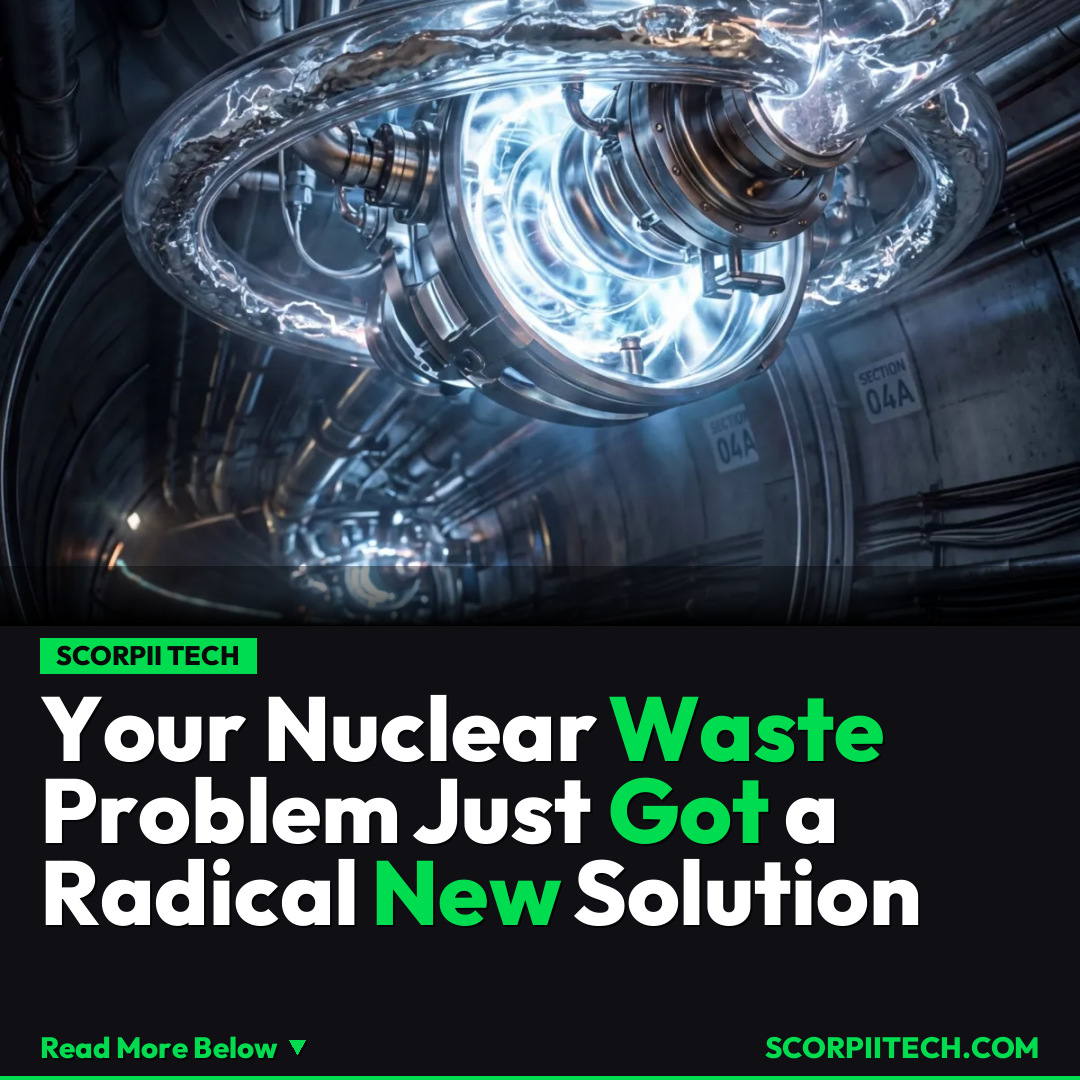
How does this modern-day alchemy work? At its core, the process leverages powerful particle accelerators. These machines are used with liquid mercury targets and specialized components like niobium and SRF accelerator cavities to transmute long-lived radioactive isotopes. An engineer involved was quoted saying, "Quite frankly, it's the closest anyone has ever come to real-life alchemy," highlighting the transformative nature of this technical innovation.
The method hinges on meticulously controlling subatomic interactions. By bombarding waste materials with high-energy particles, the process effectively changes the atomic structure of dangerous, long-lived elements. This targeted transformation significantly reduces their radioactive half-life, meaning they become safe much faster. It offers a viable path to dramatically safer storage for hazardous waste.
Why This Matters
Why should you care about particle accelerators and specialized cavities? Because this directly impacts your future energy security and environmental footprint. Nuclear energy, despite its waste challenges, is a potent, carbon-free power source. If we mitigate its waste problem, you open the door to an expanded role for nuclear power in combating climate change and ensuring stable energy. Your electricity and the air you breathe could both benefit.
Currently, isolating nuclear waste for millennia presents enormous logistical and ethical challenges. Imagine securing a site from human interference for 100,000 years—a timeframe dwarfing recorded human history. This NEWTON program offers a pathway out of that impossible dilemma, providing a more manageable disposal period. This makes nuclear power a far more palatable option for communities and governments globally.
The Bottom Line
The implications of this breakthrough are profound. You’re witnessing a potential game-changer, making nuclear energy significantly cleaner and more sustainable. As this technology progresses, you might see nuclear power take a central stage in your energy portfolio, offering reliable, low-carbon electricity with a vastly reduced environmental legacy. Jefferson Lab and the Department of Energy are truly reshaping our atomic future.
Originally reported by
BGRWhat did you think?



Stay Updated
Get the latest tech news delivered to your reader.