Here's What Your $100 Smartphone Really Gets You in 2026
Thinking about a $100 smartphone in 2026? Discover the real compromises, the surprising value in prepaid deals, and the hidden gems in the used market. You'll know what to expect.
Editorial Note
Reviewed and analysis by M.Numan
In this article
You’re eyeing that tempting $100 smartphone price tag in 2026, wondering if it can genuinely meet your daily needs. While it's true you can still grab a new device for that low, just know that it comes with compromises. This isn't about being judgmental; it’s about setting realistic expectations for what such a budget truly affords you in today’s tech landscape. Let's dive into the options available to you.
Key Details
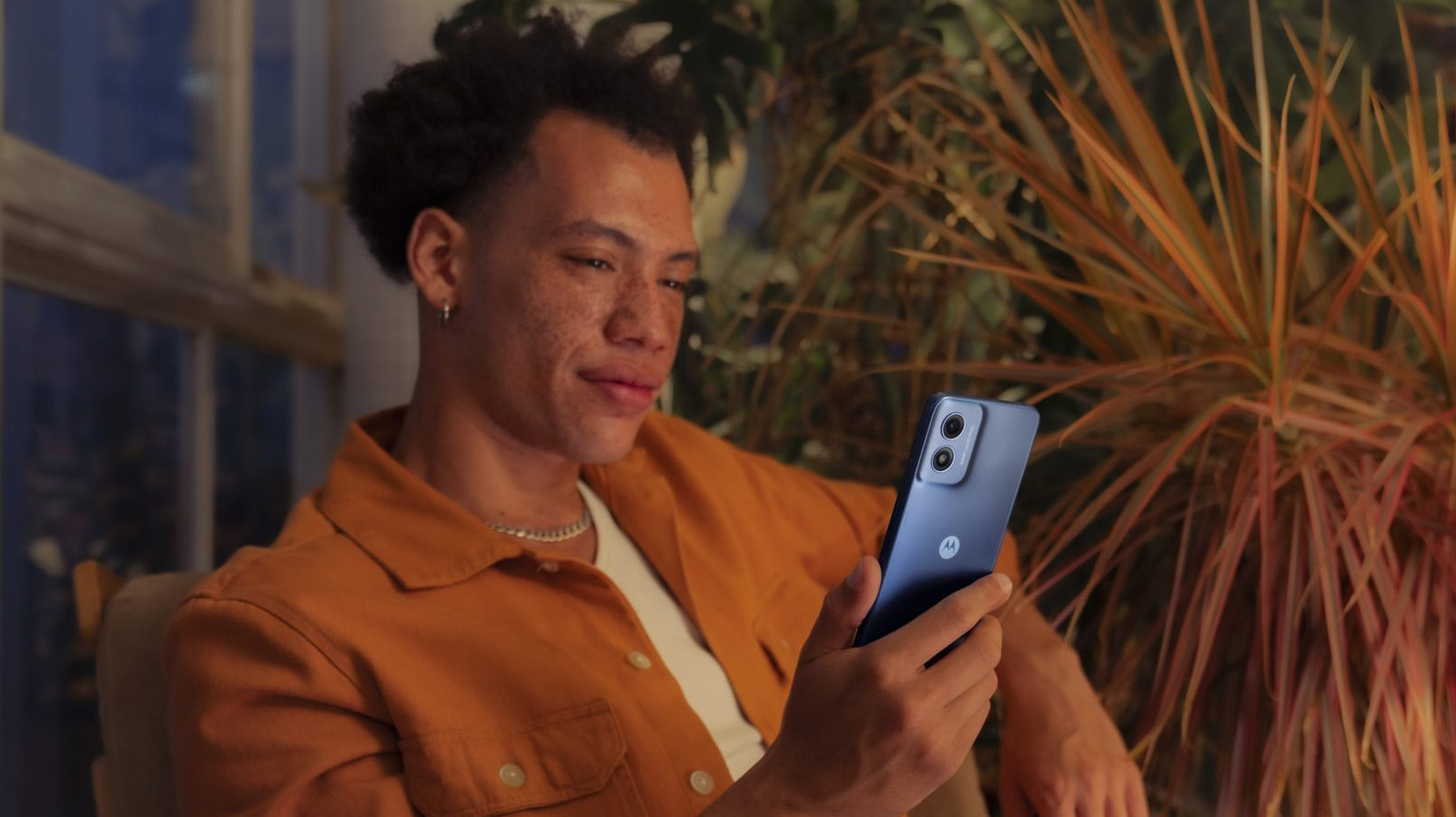
If your needs are truly minimal – think calls, texts, and essential apps only – a brand-new $100 smartphone from brands like Motorola, TCL, BLU, or Samsung (running Android) will technically get the job done. However, you'll be looking at some fairly modest specifications: a 720p display (not 1080p), likely a 90Hz refresh rate (not 120Hz) on a 6.5-inch screen, a mere 4GB of RAM, a 50-megapixel main camera (don't expect 200-megapixel shots or 100x zoom!), 64GB of storage, a 5,000mAh battery, and 4G LTE connectivity. This is definitely a back-to-basics experience.
Deploy your next full-stack application effortlessly. Get $200 in free DigitalOcean credits to host your Laravel or Python APIs.
Interestingly, you can find significantly better value if you're open to prepaid phone deals. For around $40-$50, carriers like Straight Talk, Boost Mobile, Cricket, or even AT&T offer Samsung Android models that feel much more like a 'normal' phone than something barely clearing the 'usable enough' bar. These prepaid devices often boast 5G connectivity, FHD+ displays, a smoother 120Hz refresh rate on a 6.5-inch screen, 6GB of RAM, 128GB of storage, and even an IP67 rating for water and dust resistance. The catch? These deals usually come with a few strings attached, such as carrier-lock restrictions and limited carrier compatibility.
Then there's the used market, a treasure trove if you know where to look, like eBay or Swappa. Here, you can snag an older flagship from Apple or Samsung for around $100 that will usually give you a much better screen, camera, and design than any new phone in the same price range. For example, you might find a 2022 iPhone SE with its powerful A15 Bionic chip, 5G, and a 12-megapixel camera, or even an iPhone 11 or 12. The trade-off with used phones, however, can be worn-out batteries and potentially limited remaining software support.
Why This Matters
Understanding these options is crucial because it directly impacts your daily experience and what you expect from your tech. Opting for a brand-new $100 phone means prioritizing cost above all else, accepting a device primarily for communication essentials, and understanding that you won't get the smooth performance or advanced features common in slightly higher-priced models. It’s about getting back to basics, but knowing exactly how basic that will be.
Conversely, exploring prepaid deals or the used market shows you that a slightly different approach can unlock a significantly better device experience without breaking the bank. You can enjoy modern features like 5G, better displays, and more capable cameras, albeit with specific caveats like carrier commitments or the inherent risks of buying used. These choices allow you to align your budget with a more satisfying user experience, rather than settling for just 'usable enough.'
The Bottom Line
In 2026, your $100 smartphone budget gives you more options than you might think, but each comes with a distinct set of compromises and benefits. If absolute newness is your priority and your needs are strictly limited to calls and texts, a basic new device will suffice. However, if you desire a more 'normal' smartphone experience with features like 5G and better screens, you're better off exploring the robust prepaid market or diving into the used market for an older flagship. Before you buy, ask yourself what you truly need and what compromises you're willing to make; your ideal budget phone is out there if you know where to look.
Originally reported by
EngadgetWhat did you think?



Stay Updated
Get the latest tech news delivered to your reader.