The Plug-In Mistake That Could Fry Your 3D Printer
Discover why using an extension cord with your 3D printer is risky. Learn how proper surge protecto use can prevent damage to precision electronics and safeguard your investment.
Editorial Note
Reviewed and analysis by ScoRpii Tech Editorial Team.
In this article
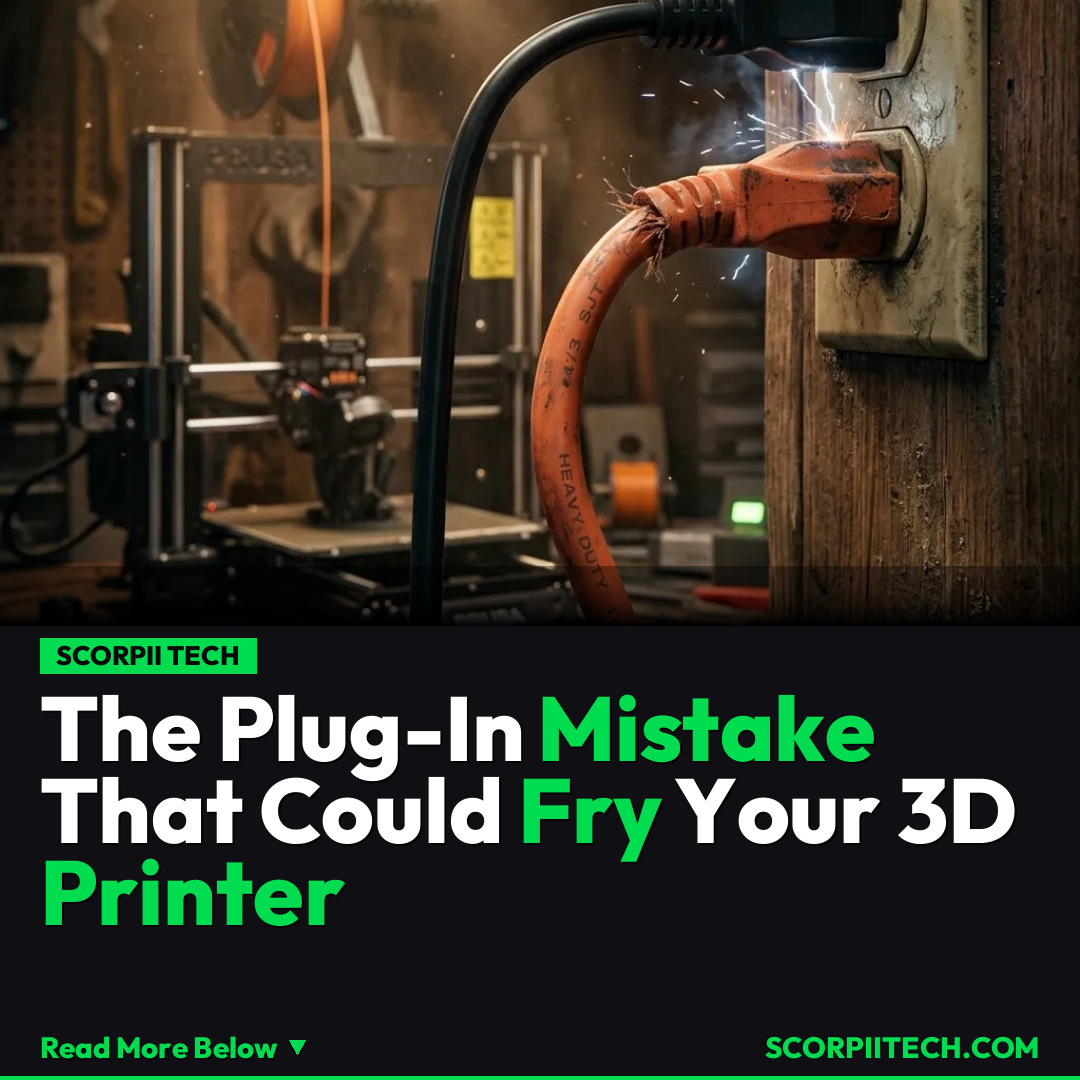
Imagine unwrapping your brand-new 3D printer, excited to create, only for a simple plug-in mistake to turn it into an expensive paperweight. Or it could fry your freshly bought printer. You might think any old extension cord will do the trick, but using an extension cord with a 3D printer can be risky – a hidden danger many makers overlook.
Key Details
Your 3D printer, or even a sophisticated machine like a Glowforge, isn't like a lamp or a phone charger. It contains complex precision electronics and sensitive actuation motors that are specifically designed to operate within precise power parameters. When you introduce an ordinary extension cord or a basic power strip into your setup, you're potentially adding resistance, voltage drops, and an unstable power supply to a system that demands consistency and clean energy.
Need fast, secure, and affordable hosting for your next website or PHP application? We recommend Hostinger Managed Hosting. Get premium speeds, a free domain, and 24/7 expert support.
These high-tech tools rely heavily on a robust grounded power cord and perfectly functioning ground wires to operate both safely and effectively. Ground wires are crucial for dissipating any excess or stray electricity and for shunting dangerous power surges or fluctuations away from your delicate internal components. An extension cord, particularly one that is thin, worn, or not adequately rated for the load, can compromise these vital ground wires, creating an unstable electrical environment that is hostile to your printer’s intricate mechanisms.
This is where a dedicated surge protecto becomes indispensable. Unlike a simple power strip that merely extends outlets, a surge protecto is engineered with components designed to absorb sudden spikes in voltage. It acts as a crucial barrier, diverting damaging electrical surges away from your valuable electronics before they can reach the precision electronics and actuation motors inside. As one expert noted, providing such robust safety solutions is about "catering to a wide audience," acknowledging that many users, from hobbyists to professionals, need clear, actionable advice to protect their investment.
Why This Matters
You’ve likely invested a significant amount of money, along with considerable time and hope, into your 3D printer or Glowforge. To have that investment compromised or entirely ruined by an easily avoidable power issue is incredibly frustrating and financially draining. Beyond the immediate monetary hit of a damaged or non-functional machine, there’s the lost productivity, the wasted materials, and the sheer disappointment of a project cut short or a creative endeavor stalled. This isn't just about preventing a minor inconvenience; it's about safeguarding your creative output, protecting your valuable assets, and ensuring the long-term reliability of your high-tech tools.
The Bottom Line
Don't risk frying your expensive equipment. Before you plug in your 3D printer, take a moment to ensure you're using a proper, dedicated surge protecto. Double-check that it’s designed for the power demands of your specific machine and offers robust protection for precision electronics. Your projects, your investment, and your peace of mind depend on it. Make the smart choice to prevent a simple oversight from turning into a costly and frustrating disaster.
Originally reported by
BGRWhat did you think?



Stay Updated
Get the latest tech news delivered to your reader.