Your Apps Are Not Safe: Iran Under Fire As US-Israel Launch Strikes, Hacked Prayer App Sends 'Surrender' Orders
You need to understand how geopolitical tensions are spiraling, from 'preemptive strikes' to popular apps weaponized to send 'surrender' messages.
Editorial Note
Reviewed and analysis by ScoRpii Tech Editorial Team.
In this article
Direct Military Action Against Iran
You’re witnessing a dramatic escalation in tensions as the United States and Israel have launched what they are calling “preemptive strikes” against Iran. This follows a breakdown in negotiations regarding Iran’s nuclear program and regional activities. While specific details remain limited, this marks a significant shift to direct military confrontation after a period of diplomatic impasse. The situation is rapidly evolving, and you need to stay informed.
Reports indicate the strikes targeted sites with alleged ties to Iran’s nuclear and missile programs, though official confirmation is scarce. The timing suggests a response to Iran’s increasing support for proxy groups in the region and concerns over its nuclear ambitions. You can expect further developments as the situation unfolds, and potential retaliatory actions from Iran.
Need fast, secure, and affordable hosting for your next website or PHP application? We recommend Hostinger Managed Hosting. Get premium speeds, a free domain, and 24/7 expert support.
Prayer App Hacked: “Surrender” Messages Sent to Iranian Military
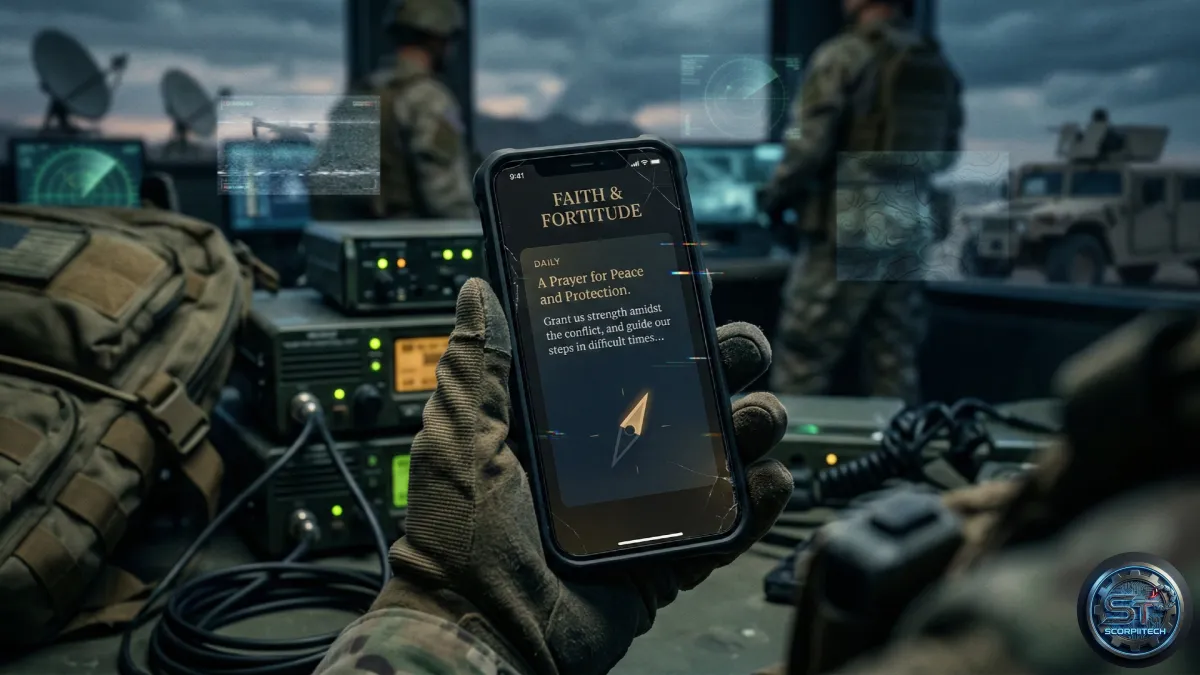
The conflict isn’t limited to physical strikes. A popular Iranian prayer app, BadeSaba Calendar, available on the Google Play Store, was compromised and used to send “surrender” messages to its approximately 5 million users, many of whom are believed to be members of the Iranian military. This is a stark example of how digital tools can be weaponized in modern warfare.
According to a report by Wired, the Miaan Group, a digital rights organization, first identified the breach. **Narges Keshavarznia**, a digital rights researcher at the Miaan Group, stated, “At this point, we genuinely do not know who is behind them, whether it was Israel or other anti-government Iranian groups,” speaking to WIRED Middle East. The identity of the attackers remains unknown, raising questions about the sophistication and intent behind the operation.
Widespread Internet Disruptions and Cyberattacks
Your access to information about events in Iran is being actively challenged. The country is experiencing widespread internet blackouts and targeted cyberattacks against major news agencies like IRNA and ISNA. NetBlocks reported a disruption, with internet connectivity dropping by as much as 4 percent across Iran. This isn’t just an inconvenience; it’s a deliberate attempt to control the narrative and limit independent reporting.
Internet service providers, including ArvanCloud, have been affected, making it difficult for people within Iran to connect, even with VPNs. **Narges Keshavarznia** of the Miaan Group emphasized the broader implications, stating, “The most urgent concern is not just the technical disruption itself, but the loss of visibility and accountability.” These blackouts obscure the true extent of events and hinder independent verification.
What This Means For You
These events demonstrate that modern conflicts are fought on multiple fronts – physical, digital, and informational. You need to be aware that even seemingly harmless apps can be exploited for strategic purposes. The disruption of internet access highlights how quickly access to reliable information can be jeopardized during times of crisis. Consider diversifying your news sources and being critical of information you encounter online.
If you travel to or conduct business in the region, you should review your cybersecurity protocols. Ensure your devices are secure, use strong passwords, and be cautious about the apps you download. Be prepared for potential communication disruptions and have contingency plans in place.
The Bottom Line
The situation in Iran is highly volatile and carries significant global implications. You should expect further escalation and be prepared for a prolonged period of instability. Staying informed from credible sources and understanding the multifaceted nature of this conflict – military, cyber, and informational – is crucial. This isn’t just a regional issue; it’s a global event with the potential to impact international security and energy markets.
Originally reported by
WiredWhat did you think?



Stay Updated
Get the latest tech news delivered to your reader.