Here is Why Your Curved TV Was Such A Pain To Build
CE Critic founder Dipin Sehdev reveals why curved LCD and OLED TVs looked cool but were a massive pain for manufacturers to build at scale.
Editorial Note
Reviewed and analysis by M.Numan
In this article
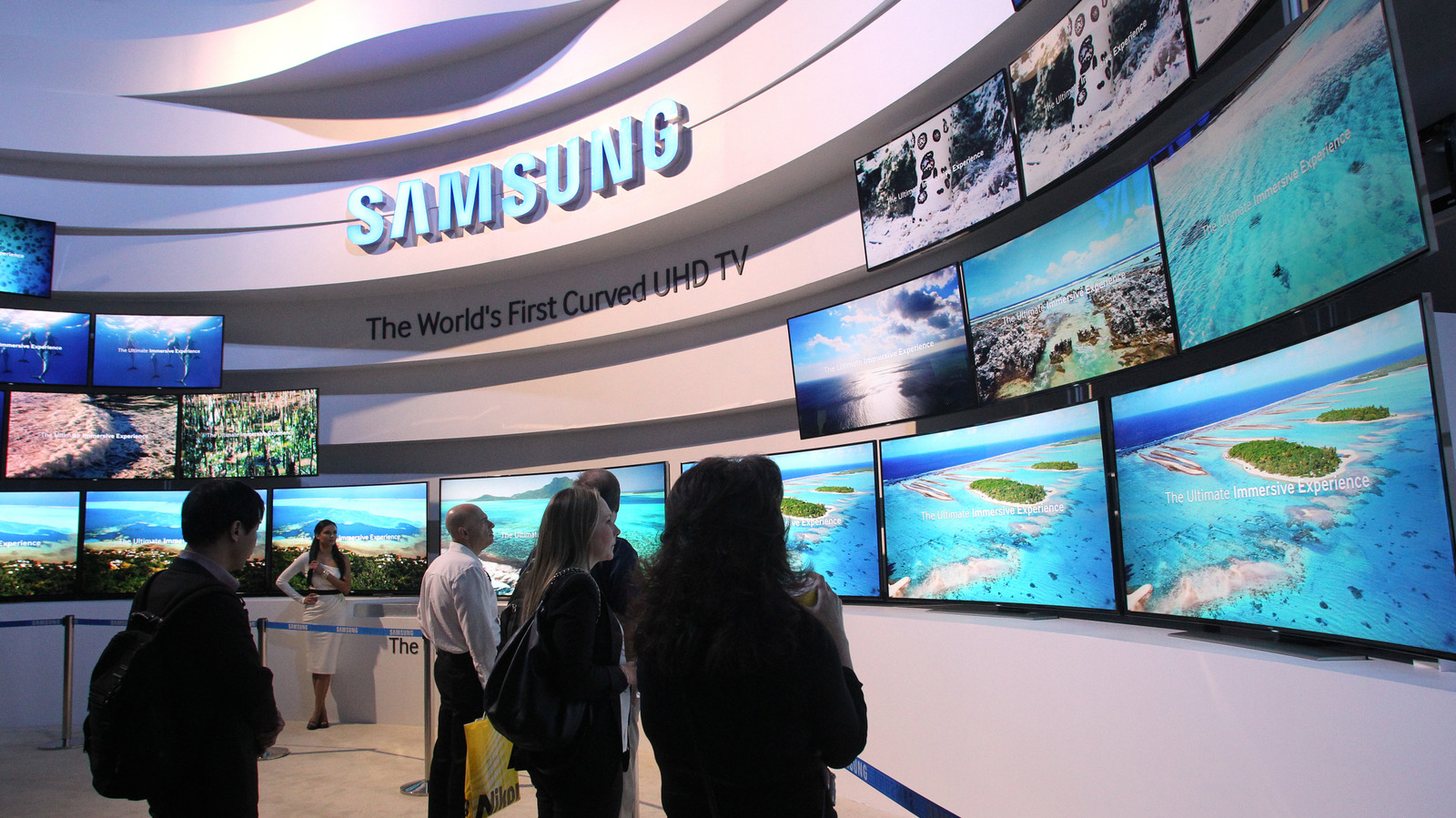
If you remember walking through a living room or tech showcase and seeing a dramatic curved screen, you know how striking they appeared. Whether taking inspiration from the classic Cinerama Dome or dominating a major CES TV display, these sleek units made your old, clunky first-gen LCD look ancient. But behind that futuristic aesthetic was a complicated reality that manufacturers struggled to manage.
Key Details
When curved LCD TVs and curved OLED TVs first started appearing, they instantly captured public attention. Simply put, they looked pretty cool, offering a sleek contrast to the blocky, heavy first-gen LCD sets that populated living rooms for years. From high-profile CES TV debuts to retail floors, curved LCDs promised an immersive visual arc reminiscent of cinematic venues like the iconic Cinerama Dome.
Need fast, secure, and affordable hosting for your next website or PHP application? We recommend Hostinger Managed Hosting. Get premium speeds, a free domain, and 24/7 expert support.
However, the industry reality behind the scenes was far less smooth than the glass itself. Dipin Sehdev, founder of CE Critic, highlighted the significant underlying friction that hardware makers faced when bringing these screens to market. Reflecting on conversations with industry insiders, Dipin Sehdev noted, "I remember hearing from manufacturers that they were a pain to manufacture at scale."
Building curved OLED TVs and curved LCD TVs meant re-engineering standard fabrication processes. Bending glass and maintaining uniform backlighting or organic light emission across a curved plane added layer upon layer of production complexity. While a curved LCD panel looked stunning on a display pedestal, mass-producing millions of uniform units created huge manufacturing headaches for factory floors worldwide.
Why This Matters
Understanding the history of curved TVs gives you valuable insight into how consumer electronics evolve between design trends and practical engineering limits. A product can look undeniably cool and serve as a showcase hero at events like CES TV expos, but if scaling production creates massive manufacturing pains, its long-term viability becomes questionable.
For you as a consumer, this balance dictates what tech actually stays on store shelves. The journey from clunky first-gen LCD models to curved LCDs and curved OLED TVs shows that striking visual design inspired by grand theaters like the Cinerama Dome must ultimately align with scalable manufacturing reality. When factory production yields face heavy friction, even eye-catching hardware faces uphill battles.
The Bottom Line
When you evaluate your next display upgrade, remember that flashy screen geometry isn't always built for the long haul. Appreciate the bold engineering behind curved LCD TVs and curved OLED TVs, but prioritize long-term manufacturing reliability and practical performance over pure aesthetic novelty when placing your living room tech investments.
Originally reported by
EngadgetWhat did you think?

Stay Updated
Get the latest tech news delivered to your reader.