Here's What China's Battery Breakthrough Means For Your Next EV
A lithium-metal battery breakthrough from Nankai University in China could supercharge your EV's range and electrify new industries. Discover how this tech could impact your future.
Editorial Note
Reviewed and analysis by ScoRpii Tech Editorial Team.
In this article
Imagine hitting the open road, knowing your electric vehicle could go significantly further on a single charge than ever before. Picture entire industries, from remote logistics in Alaska to cross-country transport along Route 66, suddenly becoming viable for electrification. A groundbreaking development from researchers in China isn't just dreaming about this future; it’s building the foundation for it right now, potentially revolutionizing how you travel and work.
Key Details
You’ve probably heard about the constant push to improve battery technology, but this latest announcement from Nankai University in China is a genuine head-turner. Scientists there have engineered a new type of lithium-metal battery that achieves an astonishing energy density of 700 watt hours per kilogram (Wh/kg) at room temperature. To put that into perspective, this could dramatically boost the range of your next electric car, making those long road trips less about charging stops and more about the journey itself.
Deploy your next full-stack application effortlessly. Get $200 in free DigitalOcean credits to host your Laravel or Python APIs.
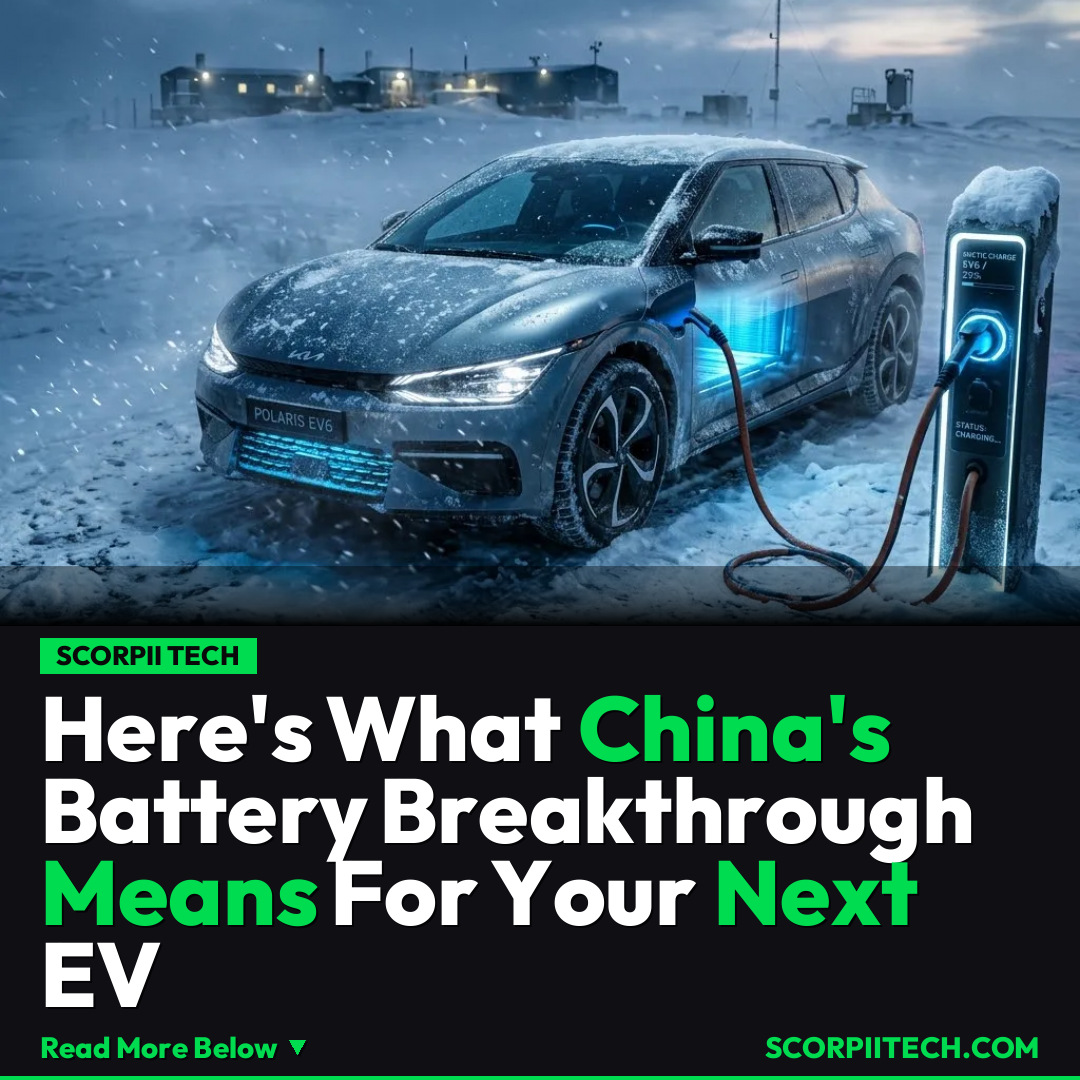
What makes this breakthrough particularly remarkable is its performance under extreme conditions. While many batteries struggle with cold, this lithium-metal powerhouse maintains approximately 400 Wh/kg even at a bone-chilling -50 degrees Celsius. This capability could unlock electrification in environments previously deemed too harsh, allowing robust EV performance in places like the frigid reaches of Saskatchewan or the remote wilderness of Alaska, where consistent power in freezing temperatures is critical.
This isn't just about making your personal EV better; it’s about enabling new frontiers for battery-powered solutions across the U.S. and globally. From heavy-duty electric trucks traversing the vast distances of the American heartland to powering critical infrastructure in diverse climates from sunny Savannah to the unforgiving Antarctic, the potential applications for a battery this resilient and energy-dense are truly expansive. The team at Nankai University has laid down a significant marker for the future of energy storage.
Why This Matters
You might be wondering why this particular breakthrough stands out. The combination of high energy density at room temperature and exceptional performance in extreme cold is a rare pairing. For you, this means not only the promise of an EV with range rivaling gasoline vehicles but also the possibility of electrifying commercial fleets and industrial equipment operating in challenging climates. Imagine delivery trucks reliably navigating winter storms in the northern U.S. without significant range loss, or renewable energy storage systems functioning efficiently in the most remote, freezing outposts.
This advancement isn't merely incremental; it represents a foundational shift. If this lithium-metal battery technology can be successfully scaled beyond the lab, it could accelerate the global transition to clean energy across numerous sectors. Your reliance on fossil fuels could diminish faster than predicted, as industries from transportation to manufacturing gain access to reliable, high-performance battery solutions, making widespread electrification a tangible reality.
The Bottom Line
So, what does this all mean for you right now? While the headlines from Nankai University are incredibly exciting, painting a compelling picture of a fully electrified future with extended EV ranges and robust cold-weather performance, it's crucial to temper your expectations with reality. This breakthrough has, so far, only occurred in a controlled lab environment in China. Before you plan that cross-continental electric vehicle journey to the Antarctic, remember that transitioning from lab success to mass-produced, commercially viable batteries takes significant time and overcoming numerous engineering hurdles. However, this development is a powerful indicator of where battery technology is heading. Keep an eye on Nankai University and similar research efforts; your future ride might just go a lot further than you ever imagined.
Originally reported by
BGRWhat did you think?



Stay Updated
Get the latest tech news delivered to your reader.