Could a Blueberry-Sized Implant Turn On Your Brain's Hope?
A new blueberry-sized brain implant from Motif Neurotech is entering human trials to treat severe depression. Discover how this innovative device could offer you a precise solution without major brain surgery.
Editorial Note
Reviewed and analysis by ScoRpii Tech Editorial Team.
In this article
You know the feeling: when every conventional treatment for severe depression falls short, leaving you feeling stuck. But imagine a future where recovery isn't just a dream, but a tangible outcome, thanks to a tiny device. The latest brain-computer interface could soon offer this profound relief, especially for those grappling with the most challenging forms of depression.
Key Details
Get ready, because a groundbreaking advancement is heading your way from Houston, United States, poised to revolutionize how we approach severe depression. Motif Neurotech, cofounded and led by CEO Jacob Robinson, is preparing to test its innovative, blueberry-sized brain implant in humans. This isn't just another medical device; it’s a targeted approach to a deeply complex problem – particularly treatment-resistant depression, which has historically defied conventional therapies.
Deploy your next full-stack application effortlessly. Get $200 in free DigitalOcean credits to host your Laravel or Python APIs.
What makes this device stand out? Unlike some other brain interfaces you might have heard of, this implant is designed for simplicity and precision. You won’t need major brain surgery; the device is implanted in your skull just above the dura, your brain’s protective membrane, during a mere 20-minute outpatient procedure. Its mission is clear: to target your central executive network, a crucial part of the brain responsible for high-level cognitive functions that is often underactive in major depressive disorder. The implant emits specific patterns of stimulation, essentially working to "turn on" this vital network and restore its optimal function.
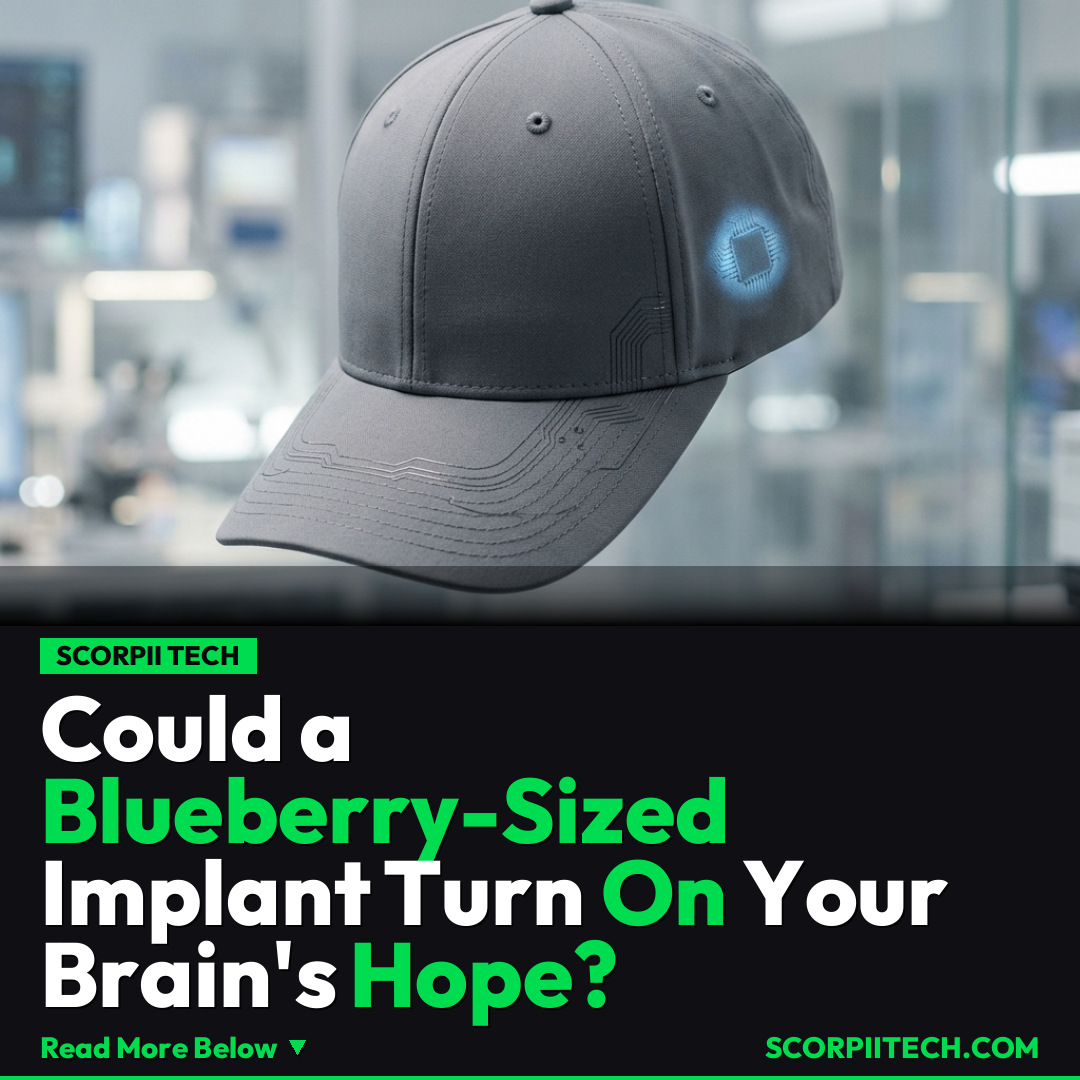
Powering this innovation is wireless magnetoelectric technology, a breakthrough Jacob Robinson developed during his time at Rice University. You’ll charge the device simply by wearing a specialized baseball cap when receiving stimulation – a far cry from more invasive power solutions. This elegant design addresses a critical challenge in mental health treatment, as Robinson aptly puts it: "Imagine trying to manage diabetes just based on how you're feeling." This implant seeks to bring an objective, targeted intervention to mental well-being, moving beyond subjective assessments.
Why This Matters
You understand the profound challenge of depression, especially when it becomes treatment-resistant. For many, conventional antidepressants and therapies offer limited or no relief, leaving them in a cycle of despair. This is where Motif Neurotech's brain implant could become a literal beacon of hope. By directly addressing the underactive central executive network, it offers a level of precision and intervention that current pharmacological or therapeutic options often cannot. It moves us closer to objective, measurable treatment outcomes, rather than relying solely on subjective patient feelings – a critical shift that Jacob Robinson’s quote perfectly encapsulates.
Consider the potential impact on your life, or the lives of loved ones, if this technology proves successful. Imagine recovering lost cognitive functions, improved mood, and a renewed ability to engage with the world, all facilitated by a procedure that avoids extensive brain surgery. While other companies like Neuralink, Paradromics, and Synchron are exploring brain-computer interfaces for various applications, Motif Neurotech is carving a vital niche by focusing on one of the most widespread and debilitating mental health conditions. Your future mental well-being could be shaped by innovations like this, offering new pathways to recovery where previously there were none.
The Bottom Line
So, what does this mean for you? Motif Neurotech’s journey to human trials signals a significant leap forward in neurological and mental health treatment. While it’s still early, this development underscores the rapid pace of innovation in brain-computer interfaces. You should keep an eye on developments from Houston as the US Food and Drug Administration oversees these trials. This isn't just about a device; it’s about a paradigm shift towards more targeted, less invasive, and potentially life-changing interventions for severe depression. Stay informed, because the future of mental health treatment might just be powered by a tiny implant and a baseball cap.
Originally reported by
WiredWhat did you think?



Stay Updated
Get the latest tech news delivered to your reader.