Why Your AI Agent Needs to Think Like a 'Lazy' Dev
Discover DietrichGebert/ponytail, the viral tool training your AI agent to optimize efficiency by minimizing unnecessary code. Learn how this innovative approach can save you time and resources.
Editorial Note
Reviewed and analysis by M.Numan
In this article
You know the old adage: the best code is the code you never wrote. But what if your sophisticated AI agent is busy churning out lines you simply don't need? You're not alone in facing this core engineering challenge. Imagine an AI that inherently understands the power of elegant simplicity, reducing bloat and boosting performance without you even asking.
Key Details
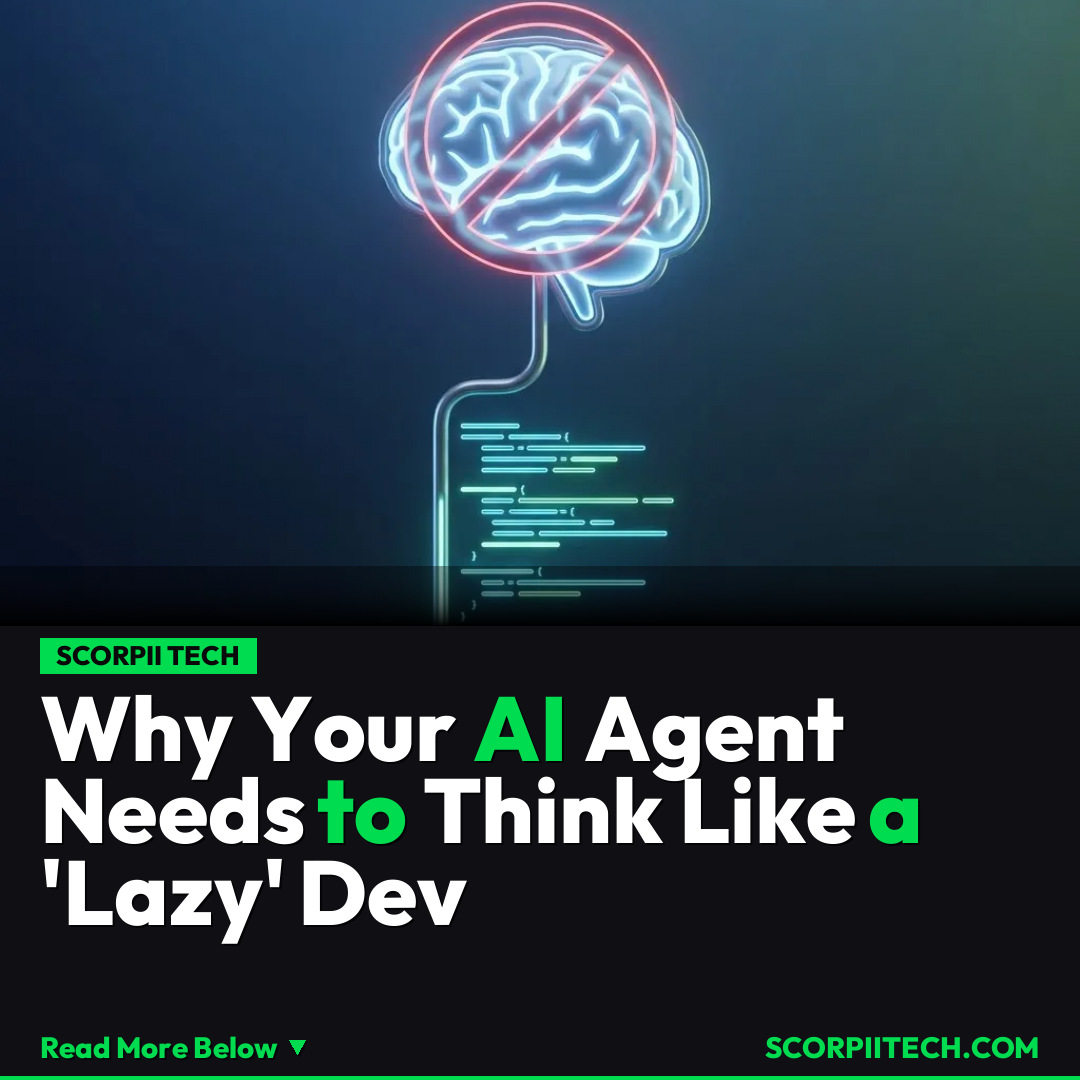
This isn't just a fantasy; it's the premise behind a viral new tool creating buzz in the developer community: DietrichGebert/ponytail. This innovative repository is designed with a singular, brilliant purpose: to make your AI agent "think like the laziest senior dev in the room." You might be thinking, "lazy?" But in the world of code, sometimes "lazy" means profoundly efficient and remarkably smart.
Deploy your next full-stack application effortlessly. Get $200 in free DigitalOcean credits to host your Laravel or Python APIs.
The core idea behind DietrichGebert/ponytail is to train AI agents to actively avoid unnecessary code generation. Instead of exhaustively writing every possible line, this tool guides the AI to find the most direct, elegant path, focusing on solutions that require the absolute minimum viable code. This approach directly addresses a pervasive engineering pain point: the often-bloated output of AI agents that, while functional, can be inefficient, hard to debug, and difficult to maintain over time.
By integrating ponytail into your AI development workflow, you're essentially installing a senior engineer's mindset directly into your agent's core programming. This means less debugging for you, faster execution times for your applications, and a significantly cleaner, more manageable codebase. You're not just getting code; you're getting optimized, minimalist solutions that save valuable computational resources and developer time, leading to a more streamlined and effective development process.
Why This Matters
Why should you care so deeply about your AI agent's coding habits? Beyond the obvious benefits of cleaner, more maintainable code, this viral tool offers immense commercial value that directly impacts your bottom line. In a world increasingly reliant on AI-driven applications, efficiency is king. Every unnecessary line of code translates to more processing power required, longer execution times, and potentially higher operational costs for you, especially in cloud-based environments.
By fundamentally minimizing code generation, ponytail helps you optimize your AI agent's performance at a foundational level, leading to more responsive applications and significantly reduced cloud computing expenses. This isn't merely about aesthetic code; it’s about tangible financial savings and gaining a crucial competitive edge in the market. The widespread popularity of this tool underscores its universal utility and the shared desire among engineers to streamline and make AI development more efficient. You're gaining a strategic advantage in a fast-evolving technological landscape by embracing smarter, leaner AI practices.
The Bottom Line
So, what’s your next move? If you’re leveraging AI agents for code generation, it’s time to fundamentally rethink what "good" code truly means. You should actively explore DietrichGebert/ponytail to see how adopting a "lazy senior dev" mindset can transform your AI’s output. You'll likely discover that less truly is more, especially when it comes to the intelligence and efficiency behind your automated code. This tool empowers you to build smarter, leaner, and ultimately more cost-effective AI solutions, giving you a distinct advantage in today’s demanding tech environment.
What did you think?



Stay Updated
Get the latest tech news delivered to your reader.